

Oil Markets Stay Calm Despite Venezuela Crisis as Expert Cites Political Uncertainty


Crude oil markets maintain stability despite US-Venezuela political tensions, with expert analysis suggesting limited near-term impact on pricing. Current production disruptions and long-term recovery prospects indicate continued market uncertainty rather than significant price volatility.

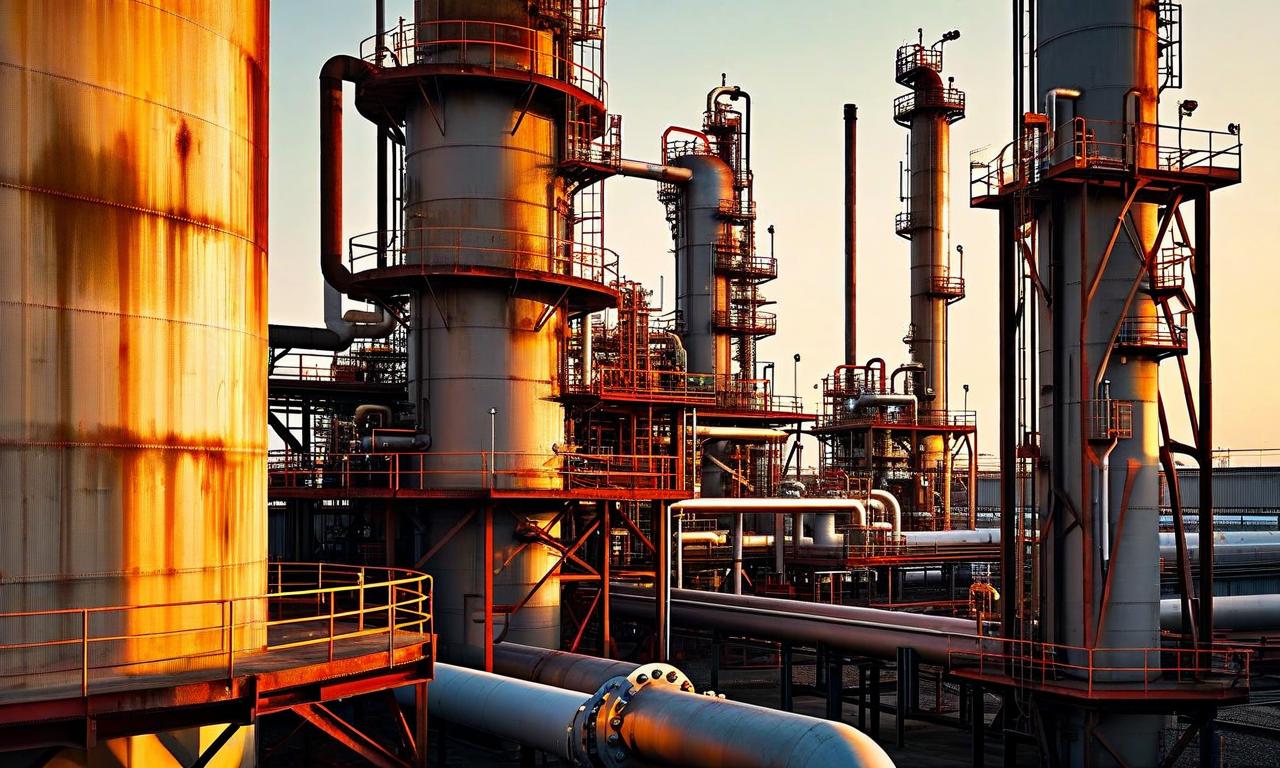

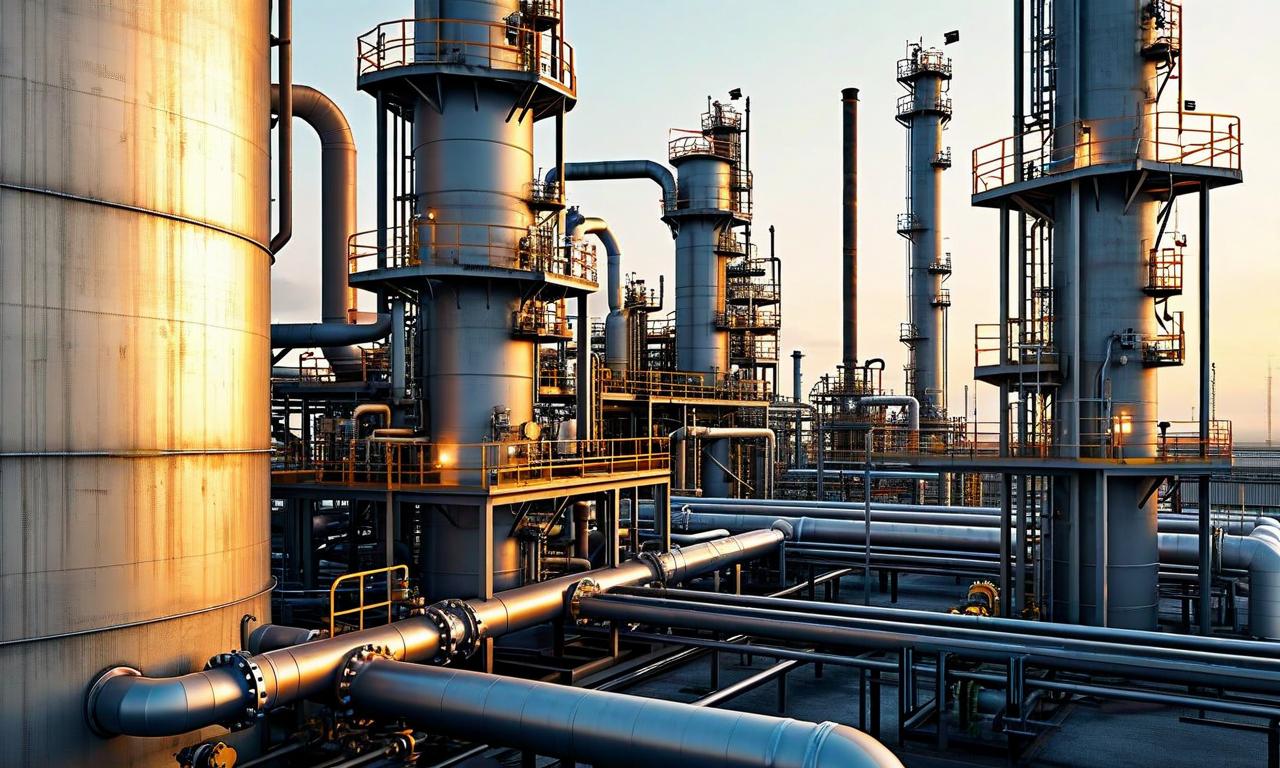
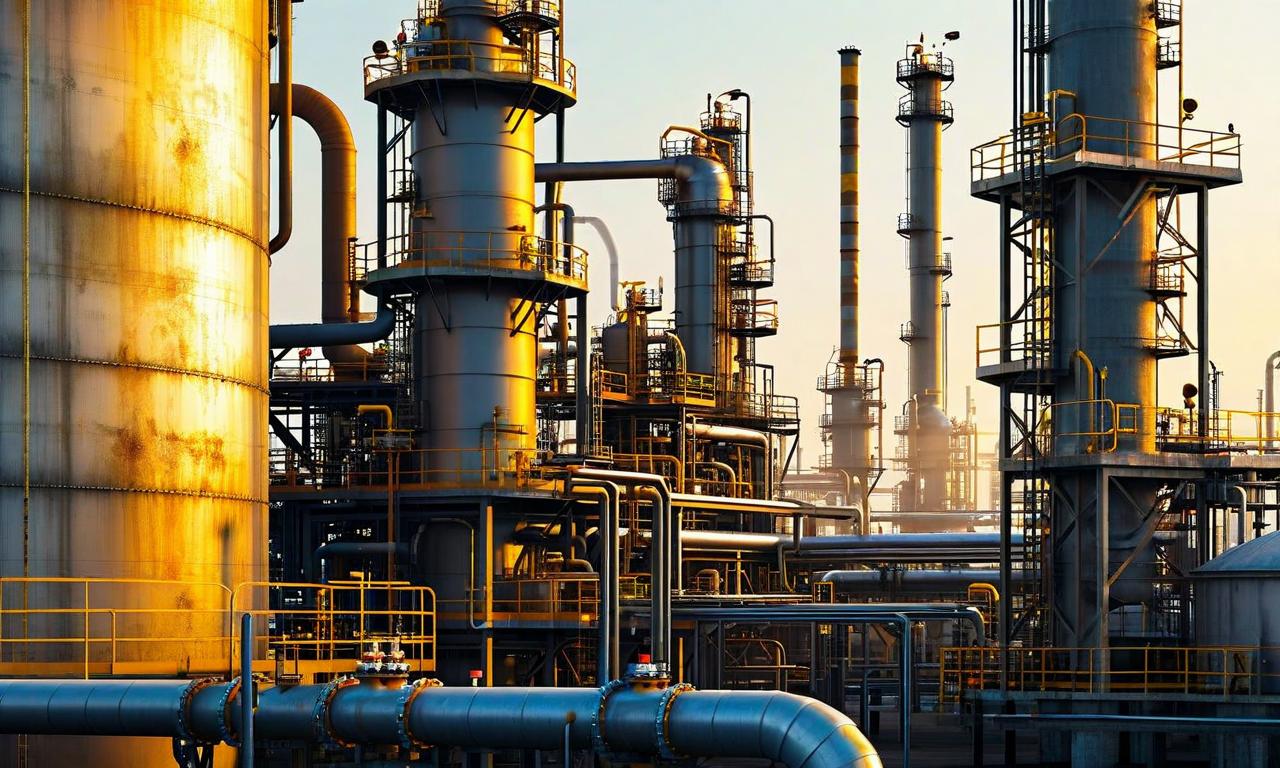
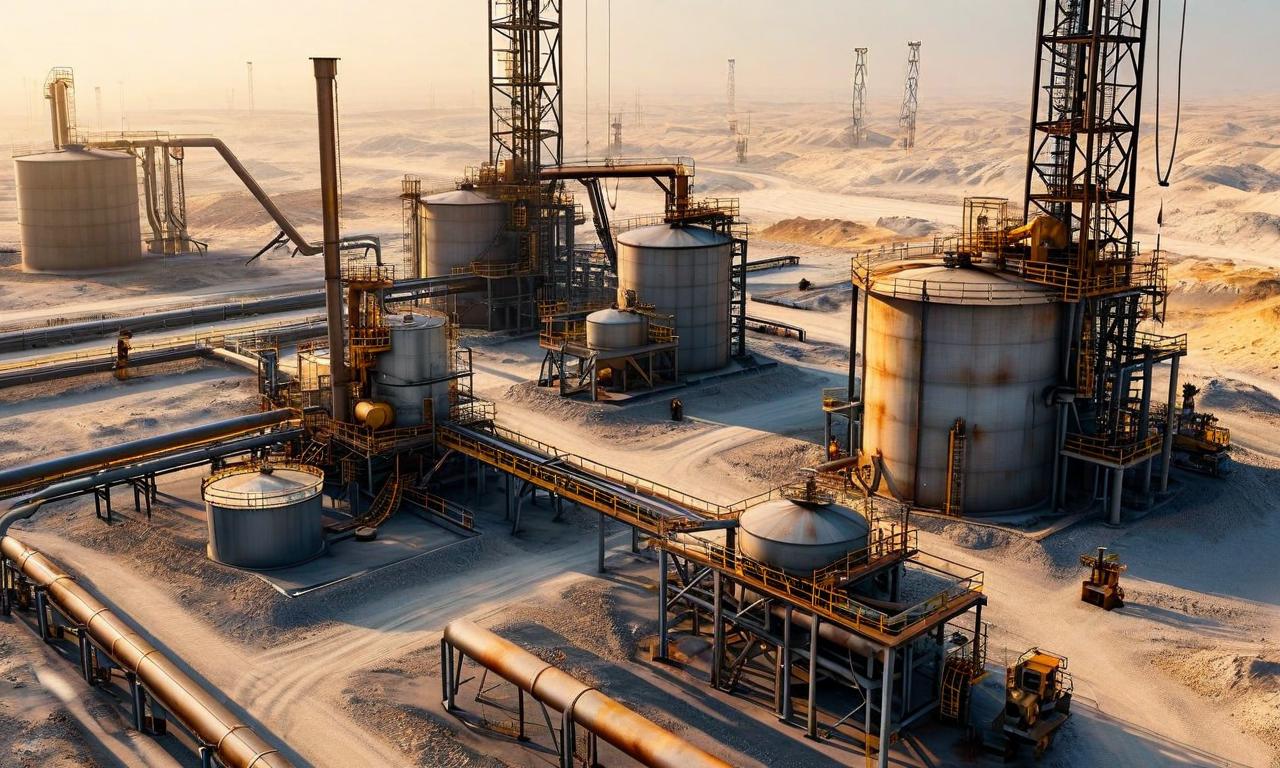
*this image is generated using AI for illustrative purposes only.
Crude oil prices have remained largely range-bound despite heightened geopolitical tensions following US political intervention in Venezuela, as markets adopt a cautious wait-and-watch approach amid uncertainty over the country's leadership and oil output prospects.
Current Price Action Shows Modest Movement
Brent crude futures rose 17 cents to $60.92 per barrel, while US West Texas Intermediate crude climbed 11 cents to $57.43 per barrel. The modest gains reflect market uncertainty rather than panic, with both benchmarks having recorded steep annual losses of nearly 20%, marking their biggest decline since 2020.
| Contract: | Current Price | Daily Change | Market Context |
|---|---|---|---|
| Brent Crude: | $60.92 | +17 cents | Range-bound trading |
| WTI Crude: | $57.43 | +11 cents | Modest uptick |
| Price Movement: | 30-40 cents | Limited volatility | Wait-and-watch mode |
Expert Analysis Points to Political Vacuum
Vandana Hari, Founder of Vanda Insights, told ET Now that the oil market is grappling with "a power vacuum and political abyss" in Venezuela, with conflicting signals emerging from Washington and Caracas. While US President Donald Trump suggested temporary US oversight of Venezuela's transition, subsequent remarks from US officials indicated a more complex path ahead.
Vice President Rodriguez and senior military officials in Venezuela have reiterated support for President Nicolás Maduro, signalling resistance to US influence. Meanwhile, US Secretary of State Marco Rubio confirmed that sanctions and restrictions on Venezuelan oil exports remain firmly in place.
| Venezuela Status: | Current Situation |
|---|---|
| Political Control: | Disputed leadership |
| Military Support: | Backing Maduro |
| US Sanctions: | Remain in effect |
| Oil Embargo: | Fully maintained |
Production Impact Remains Limited
Venezuela currently produces an estimated 600,000-700,000 barrels per day, down sharply from nearly one million barrels per day earlier. State-run oil company PDVSA has asked joint venture partners to cut output after running out of storage capacity, pointing to continued disruption rather than any near-term supply surge.
Hari noted that even a worst-case scenario involving complete shutdown of Venezuelan production—around 900,000 barrels per day—would be only "moderately bullish" for global oil prices given the well-supplied market conditions.
Long-term Recovery Prospects Remain Distant
Commenting on President Trump's remarks about US oil companies entering Venezuela, Hari cautioned that such developments are highly aspirational for near-term pricing. "Restoring Venezuela's oil infrastructure would require investments running into hundreds of billions of dollars," she explained, adding that US oil majors would first demand political stability, regulatory clarity, and predictable fiscal regimes.
| Recovery Timeline: | Requirements |
|---|---|
| Infrastructure Investment: | Hundreds of billions needed |
| Timeline Estimate: | 5-10 years minimum |
| Prerequisites: | Political stability required |
| OPEC+ Quota Consideration: | Several years away |
Even under favorable conditions, tapping Venezuela's vast oil reserves would span five to ten years or longer, making any significant supply impact a distant prospect.
Market Outlook Balances Multiple Factors
For India and global markets, the impact of Venezuelan uncertainty remains marginal as oil markets continue being driven by broader supply-demand fundamentals rather than isolated geopolitical events. With crude prices showing only modest upticks of 30-40 cents, experts expect volatility to remain contained unless disruptions escalate significantly.
The Organization of the Petroleum Exporting Countries and allies maintain current production levels amid ongoing market uncertainty, while analysts monitor potential developments in other oil-producing regions for broader market implications.
Historical Stock Returns for Oil India
| 1 Day | 5 Days | 1 Month | 6 Months | 1 Year | 5 Years |
|---|---|---|---|---|---|
| -1.44% | -3.57% | -4.47% | -3.50% | +12.43% | +196.62% |
 16
16







 Access 50+ Readymade Screeners
  Use 200+ Custom Filters
  Get Full Market Insights





