Oil could spike to $135 if inventories stay low, says Dan Dicker

1 min read     Updated on 22 Jun 2026, 02:10 PM
scanx
Reviewed by
Radhika SScanX News Team
AI Summary

Oil market expert Dan Dicker warned that shrinking global inventories could trigger a sharp rally in crude prices, potentially pushing oil from $75 to $135 per barrel within a month. He stated that unless supply conditions improve significantly, the physical market could force a repricing in crude oil. Crude oil traded around $76 per barrel on Monday, down about 2.5%, as markets weighed improving supply prospects.

powered bylight_fuzz_icon
43663189

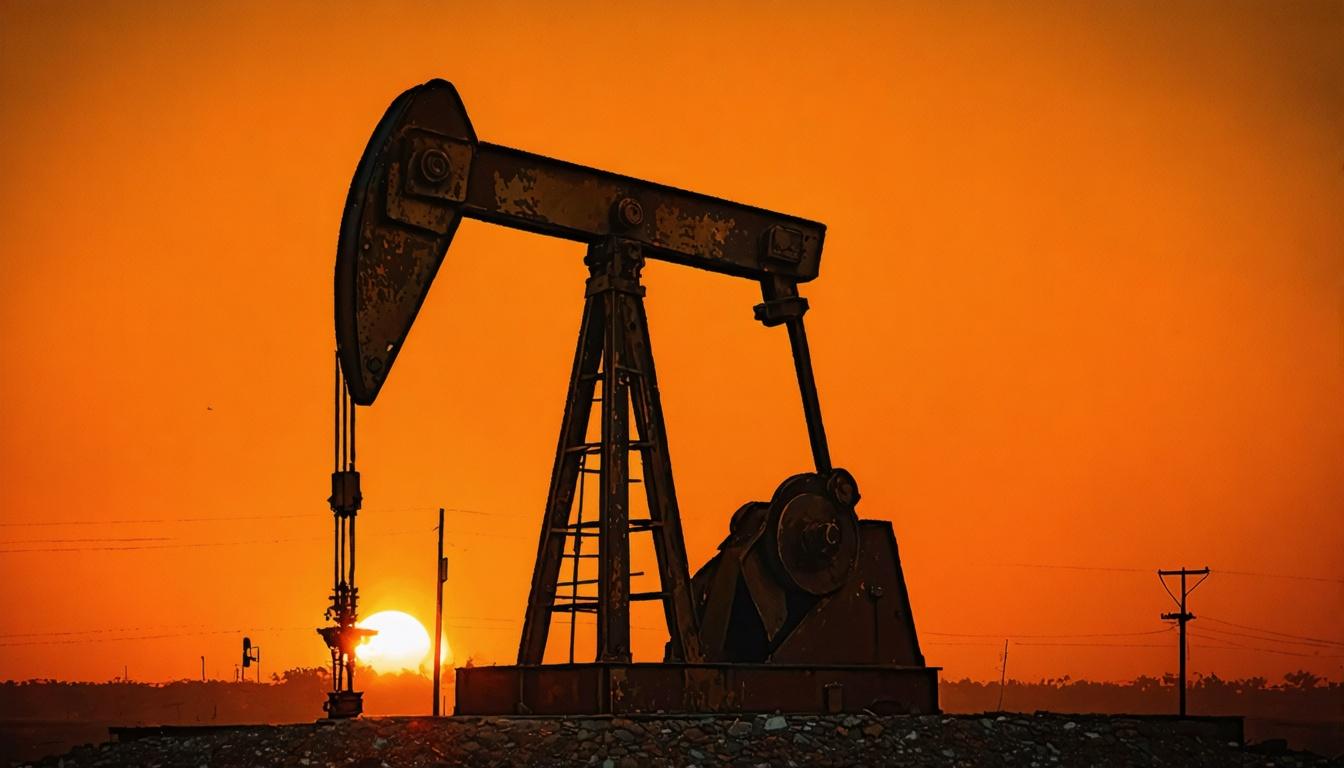
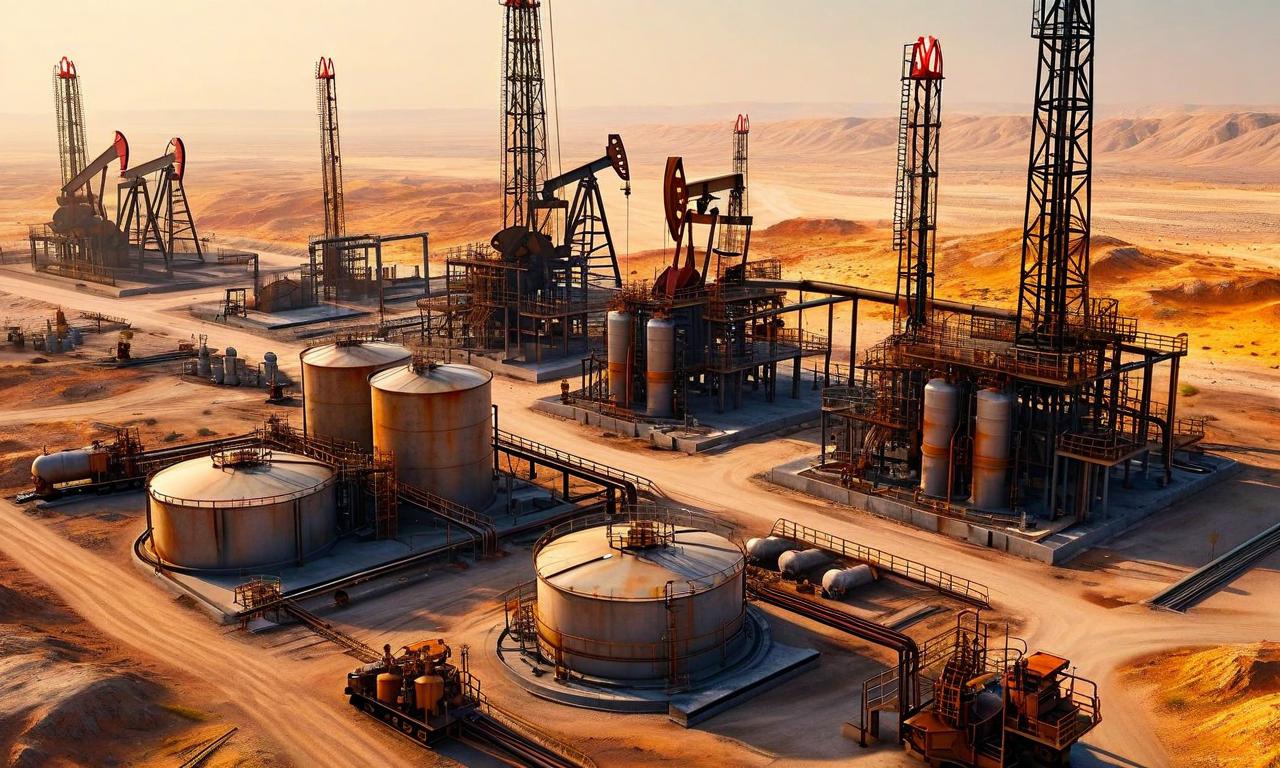
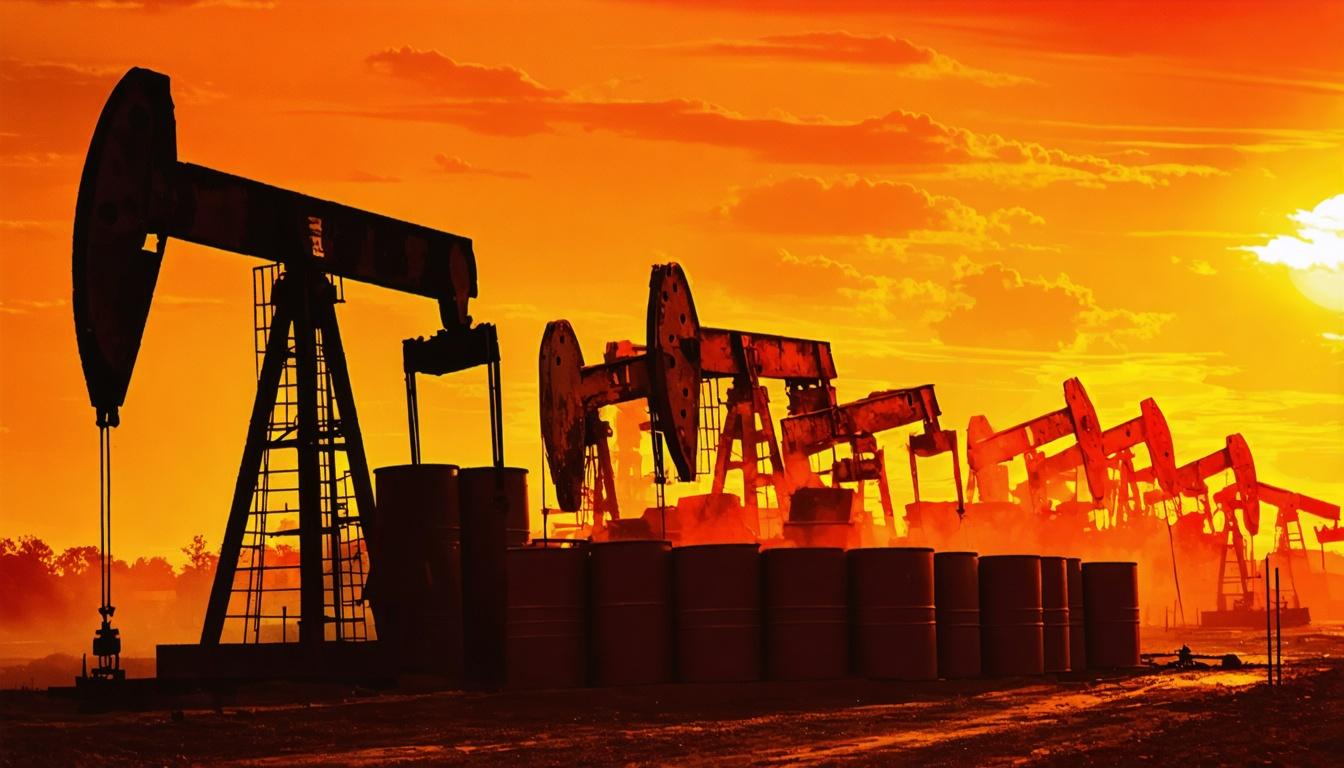
*this image is generated using AI for illustrative purposes only.

Oil market expert Dan Dicker warned that shrinking global oil inventories could trigger a sharp rally in crude prices, even as markets focus on improving supply conditions following a U.S.-Iran agreement. He stated that unless supply conditions improve significantly, the drawdown in inventories could continue, increasing pressure on the physical oil market. Dicker noted that shrinking inventories have yet to be fully reflected in crude prices.

Shrinking Stockpiles Raise Concerns

"Unless this deal gets done to a much more firm degree, oil starts to flow seriously and rebuild some of those stockpiles that have been draining for the past three months," Dicker said in an interview with Bloomberg on Sunday. He questioned when the physical reality of these low stockpiles would actually hit the financial markets controlling the price of oil.

Supply Recovery Remains Critical

On Sunday, Iranian Foreign Minister Abbas Araghchi said Washington would lift its naval blockade of the Strait of Hormuz after the first round of talks in Switzerland, a move expected to improve shipping flows. Last week, the International Energy Agency said global oil production could increase by roughly 8 million barrels per day by 2027 as Gulf producers gradually restore output.

Potential Price Surge

Dicker said the physical market could eventually force a sharp repricing in crude oil if inventories remain depleted. Rather than moving from $75 to $85 per barrel, he said oil could rise from roughly $75 to $135 within a month if inventories remain constrained and supply fails to recover. "When these stockpiles reach the physical reality of the futures markets, you’re going to see a spike like you never saw before," Dicker said.

Metric Value
Current Price ~$76 per barrel
Potential Low $75 per barrel
Potential High $135 per barrel
Daily Change -2.5%

Dicker referenced recent comments from executives at Chevron Corp. and Exxon Mobil Corp., saying oil producers have cautioned that they cannot quickly offset the impact of shrinking inventories if supply conditions deteriorate further.

What specific indicators should investors monitor to determine when the physical reality of low stockpiles will begin to impact futures prices?

How likely is it that the U.S.-Iran agreement will be finalized in time to prevent the inventory drawdown from triggering a price spike?

What geopolitical risks could disrupt the anticipated increase in Gulf production by 2027?

like15
dislike

Oil prices jump as Iran closes Hormuz despite US transit claims

3 min read     Updated on 21 Jun 2026, 11:45 PM
scanx
Reviewed by
Radhika SScanX News Team
AI Summary

Crude oil prices surged 7% following Iran's announcement that it had closed the Strait of Hormuz, a critical chokepoint for global energy supplies. While US Central Command reported 55 ships and 17 million barrels of oil moved through the waterway on Saturday, maritime analytics firm Windward noted a sharp drop in traffic to 12 vessels by Sunday, resembling a "late-blockade baseline." Diplomatic efforts are intensifying in Switzerland, with US and Iranian delegations meeting to negotiate a peace agreement that includes reopening the strait and addressing the conflict in Lebanon, amid heightened rhetoric from US leadership regarding potential control over the waterway.

powered bylight_fuzz_icon
43515670

*this image is generated using AI for illustrative purposes only.

Crude oil prices jumped 7% on perpetual futures marketplaces like Hyperliquid and Aster on Saturday after Iran announced the sudden closure of the Strait of Hormuz. WTI rose to $79, while Brent climbed to $82, marking a 7% increase from their lowest levels this month. The price surge reflects renewed supply risks despite US assurances that commercial traffic through the vital waterway remained intact.

US Central Command stated that commercial maritime traffic through the Strait of Hormuz increased on Saturday, with 55 merchant ships safely transiting the corridor. The vessels moved more than 17 million barrels of oil to global markets, according to Centcom. The Joint Maritime Information Center affirmed safe passage along a designated route "free of arbitrary requirement claims or impediments," while US forces remained "present and vigilant" to enforce the agreement with Iran.

Maritime vessels continued to move through the Strait of Hormuz on Sunday, though at a much lower rate, a day after Iran announced that it had closed the strategic waterway to shipping. Transits through the strait dropped to 12 today, down from more than 21 on Saturday, according to maritime risk analytics firm Windward. The recovery in shipping traffic that began on Thursday stalled within 24 hours of the Iranian announcement. The current traffic profile "resembles the late‑blockade baseline more than a functioning open strait," Windward posted on X.

Market Data and Geopolitical Tensions

Iran, however, maintained it had shut the vital shipping route, threatening a critical corridor for global crude shipments. The decision was linked to ceasefire breaches by the US and Israel, including Israeli military activity in Lebanon. The order came from the Khatam al-Anbiya Central Headquarters, Iran’s top joint military command, which warned the closure was only a "first step" if perceived aggression continued. The Islamic Revolutionary Guard Corps (IRGC) Navy warned that all vessels should refrain from approaching the strait, stating they would bear full responsibility for any risks.

Metric Value
WTI Price $79
Brent Price $82
Price Increase 7%
Ships Transited (Sat) 55
Ships Transited (Sun) 12
Oil Volume Moved 17 million barrels

The conflicting claims have increased the risk of renewed volatility in crude markets. Iran’s threat of further escalation keeps a bullish risk premium in play as the peace-agreement timeline faces growing strain. The Institute for the Study of War noted that factions within the Iranian regime want to leverage the Strait to pressure the US on Israel, specifically to secure an end to Israeli operations in Lebanon. The Institute added that Iran "likely calculates that it can use the strait as a tool to put greater economic pressure on the US to meet Iranian demands."

Diplomatic Developments

US forces lifted the blockade on maritime traffic entering and exiting Iranian ports following the President’s direction. US naval ships will remain in the area to ensure all aspects of the agreement are followed. Meanwhile, Pakistan’s Foreign Ministry announced that technical-level talks between the US and Iran will be held in Switzerland on Sunday, with mediators from Pakistan and Qatar joining the discussions. Iranian Foreign Ministry spokesman Esmail Baghaei confirmed an Iranian delegation will soon travel to Switzerland.

US Vice President JD Vance and US officials held high-stakes talks with Iran behind closed doors in Switzerland. The two countries are hammering out the details of a peace agreement that includes a permanent end to hostilities, the reopening of the Strait within 30 days, and a 60-day nuclear negotiating window extendable by mutual consent. US Vice President JD Vance said the goal of the ongoing diplomacy is to "transform the Middle East" and create "a future where everybody can work together to promote peace and prosperity for everyone."

President Donald Trump warned Iran that the US could become the "Guardian Angel" of the strait and take 20% of the oil. "We may take over the strait, if we have to," Trump told Fox News. "If they don’t make a deal, we’ll collect tolls." The Iranian delegation protested with the US delegation in Switzerland in response to Trump’s recent threats. Iran’s Tasnim News Agency reported that the strait will remain closed unless "Israel’s actions in Lebanon are brought under control."

How will the 60-day nuclear negotiating window impact global non-proliferation efforts if the Strait of Hormuz remains closed?

What are the potential long-term economic consequences for the US if it follows through on threats to seize 20% of regional oil revenues?

Could the significant drop in shipping transit from Saturday to Sunday trigger a sustained supply shock before the 30-day reopening deadline?

like16
dislike

More News on Crude Oil