Russia ships oil at near-record pace as Kyiv hits refineries

0 min read     Updated on 16 Jun 2026, 06:31 PM
scanx
Reviewed by
Radhika SScanX News Team
AI Summary

Russia is exporting oil at a near-record pace, according to a Bloomberg report. This surge comes as Kyiv intensifies drone attacks on Russian refineries. The situation highlights the ongoing impact of the conflict on global energy logistics.


powered bylight_fuzz_icon
43160451

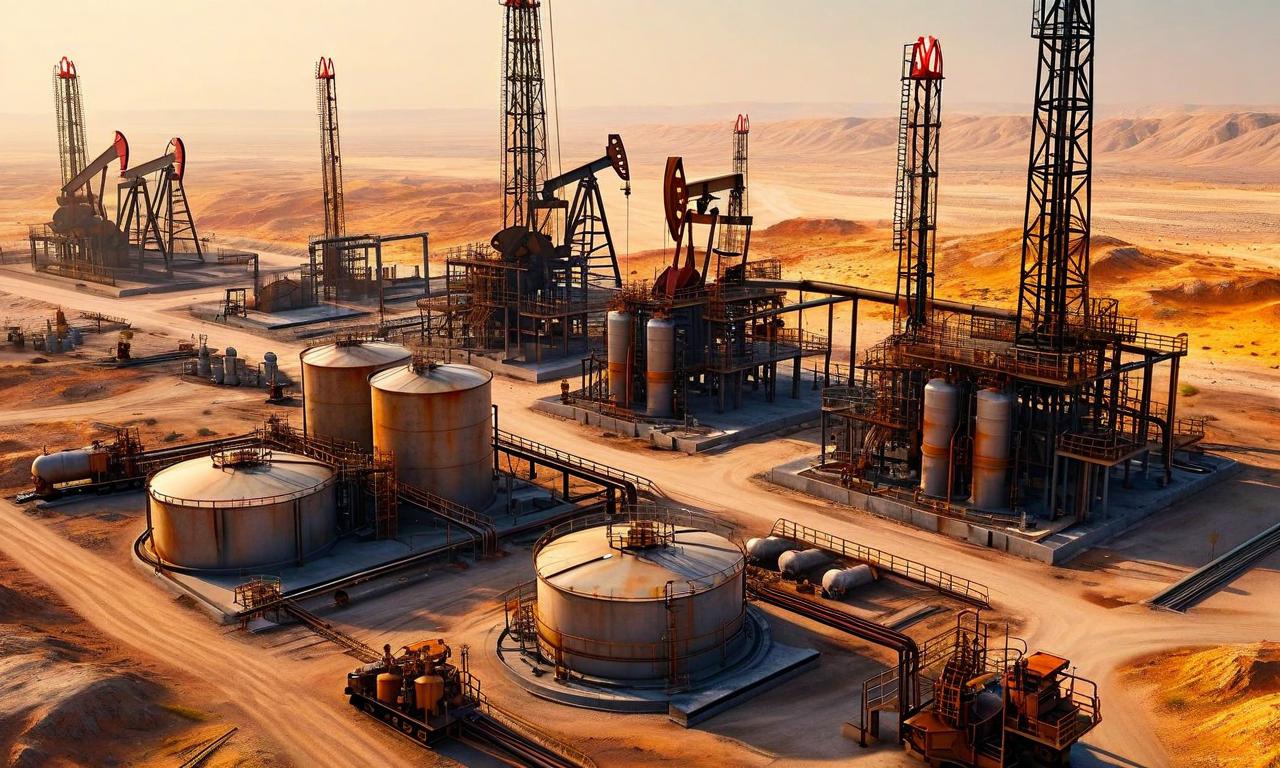
*this image is generated using AI for illustrative purposes only.

Russia is shipping oil at a near-record pace as Kyiv targets its refineries with drones, according to a report by Bloomberg. The increased export activity highlights the resilience of Russian energy logistics despite sustained attacks on its domestic refining infrastructure. The conflict continues to influence global oil supply dynamics significantly.

Impact on Refineries

Ukrainian forces have increasingly relied on drone strikes to disrupt Russian energy capabilities. These attacks have specifically targeted refineries, aiming to degrade the country's ability to process crude oil domestically. The strategy appears to have shifted the focus toward exporting raw crude rather than refining it locally.

Export Dynamics

The near-record pace of shipments suggests that Russia is successfully navigating sanctions and finding alternative routes or buyers for its crude. This development underscores the complex interplay between military actions and economic adaptations in the energy sector. Market observers are closely monitoring these trends to assess long-term implications for global oil prices and supply chains.

How will the sustained reduction in domestic refining capacity impact Russia's internal fuel supply and local prices?

What are the potential long-term effects on global oil prices if Russia continues to prioritize crude exports over domestic refining?

How might Western sanctions evolve in response to Russia's ability to maintain near-record export levels?

like15
dislike

Bolton says Trump's gas price focus weakens US Iran strategy

2 min read     Updated on 16 Jun 2026, 09:41 AM
scanx
Reviewed by
Radhika SScanX News Team
AI Summary

Former National Security Adviser John Bolton criticized President Trump's focus on gasoline prices, arguing it reveals US strategy and weakens negotiations with Iran. Bolton claims Tehran is exploiting this transparency as talks continue to reopen the Strait of Hormuz. While analysts believe a deal could lower oil prices, they warn that significant relief at the pump could take months or years due to supply chain adjustments.

powered bylight_fuzz_icon
43128657

*this image is generated using AI for illustrative purposes only.

Former National Security Adviser John Bolton stated that President Donald Trump's public focus on lowering gasoline prices risks weakening the US position in negotiations with Iran. Bolton argued that this focus makes the administration's strategy "so transparent" that Tehran can clearly see and exploit the president's urgency to reopen the Gulf oil route and reduce pump prices. He warned that Iran is "doubling down" in negotiations as a result of this perceived vulnerability.

Bolton elaborated on his concerns in an interview with Global News on Monday, stating that Trump's primary goal is to get the Strait of Hormuz reopened, move oil back into global markets, and bring US gasoline prices down. He described this objective as "so evident, so transparent" and suggested the president is "in a trap of his own making." Bolton noted that Trump is caught between the desire to declare "the best deal ever negotiated in history" and the risk of making concessions that could cause political damage at home.

Gas Prices and Geopolitical Risk

The current national average for regular unleaded gasoline stands at $4.065 per gallon, according to AAA data cited on Monday. This figure remains well above the $2.98 per gallon average recorded just before the US and Israel attacked Iran at the end of February. Market analysts have indicated that a successful agreement with Iran could ease the geopolitical risk premium currently factored into crude oil prices.

Metric Value
Current AAA National Average (Regular) $4.065 per gallon
Prewar Average (Late February) $2.98 per gallon
GasBuddy Summer Forecast (If disruptions persist) $4.80

Goldman Sachs analysts estimated in May that a sustained disruption to flows through the Strait of Hormuz could push Brent crude above $100 per barrel. Conversely, a normalization of exports and shipping traffic would likely increase global supply and reduce uncertainty. However, the US Energy Information Administration notes that crude oil accounts for more than half of the retail price of gasoline, meaning refining, distribution, and taxes also play significant roles in final costs.

Timeline for Potential Relief

Experts caution that even if a deal restores confidence in energy markets, relief at the pump is unlikely to be immediate. Analyst Patrick De Haan told CBS News in early June that normalization could take "multi-month to multi-year" work, with a return to prewar prices unlikely before mid-to-late 2027. GasBuddy forecast that summer gasoline could average $4.80 if disruptions persist, noting that only 56% of Americans planned a two-hour-plus summer drive, down from 69% last year.

In a social media thread on Sunday, De Haan offered a more optimistic short-term projection, suggesting the national average could fall below $3.75 per gallon by the Fourth of July following a deal. He added, however, that these estimates relied on an "optimistic timeline" and that the "hurricane season could be a major wildcard for the rest of summer."

How might Iran leverage the perceived US urgency to extract concessions beyond the immediate nuclear negotiations?

What specific political risks does the administration face if domestic gasoline prices do not decrease significantly before the election?

Could the US strategy shift toward increasing domestic production or releasing strategic reserves if negotiations with Iran stall?

like17
dislike

More News on Crude Oil