
 NewsMCX Copper Prices Drop to ₹1,297.65 per kg on January 20 Amid Trade War Concerns and China Demand Weakness
MCX Copper Prices Drop to ₹1,297.65 per kg on January 20 Amid Trade War Concerns and China Demand Weakness


MCX copper prices declined to ₹1,297.65 per kg on January 20, 2026, while COMEX futures dropped 0.42% to $5.87 per pound. Despite strong industrial demand from renewable energy and EV sectors, plus substitution demand due to high silver prices, copper faces pressure from weakening Chinese demand signals. The Yangshan import premium has fallen to its lowest since mid-2024, indicating reduced Chinese appetite for the metal.

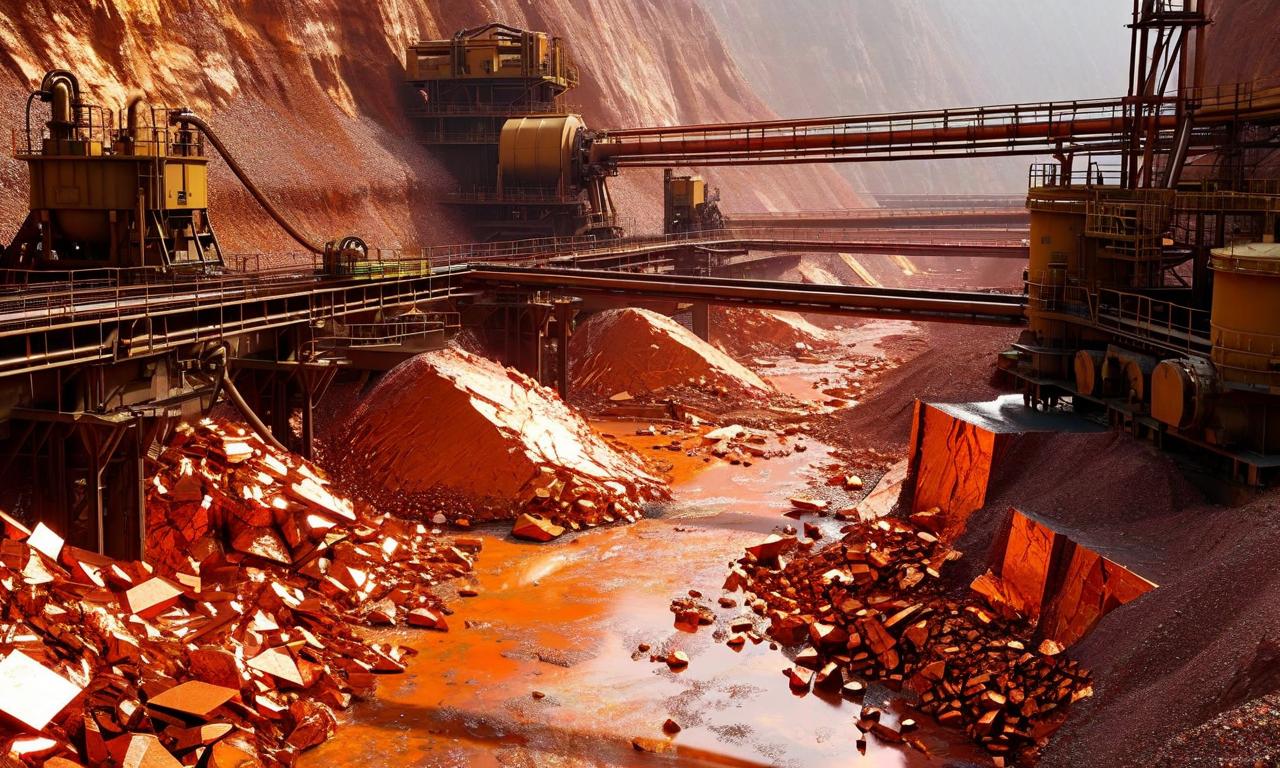

*this image is generated using AI for illustrative purposes only.
Copper prices experienced a decline on January 20, 2026, reversing recent gains despite continued strong demand fundamentals and geopolitical tensions. The retreat comes as market participants weigh conflicting signals from global demand patterns and trade policy uncertainties.
Current Market Performance
Copper prices showed mixed performance across major exchanges on January 20. The Multi Commodity Exchange of India (MCX) saw copper trading at ₹1,297.65 per kg, while international markets reflected similar weakness.
| Exchange | Price | Change |
|---|---|---|
| MCX Copper | ₹1,297.65/kg | Declined |
| COMEX Futures | $5.87/pound | -0.42% |
Despite the daily decline, copper has demonstrated strong medium-term performance with gains of nearly 8% over the past 30 days and surging over 36% on a one-year basis.
Demand Drivers Supporting Copper
Several fundamental factors continue to underpin copper demand despite recent price weakness. Industrial demand remains robust, particularly from sectors linked to renewable energy, electric vehicles, and infrastructure development. These sectors represent key growth areas driving long-term copper consumption.
A notable development supporting copper demand is substitution demand from other metals. With silver prices reaching record highs, manufacturers are increasingly testing copper as an alternative in certain applications, providing additional demand support for the red metal.
China Demand Concerns Weigh on Prices
Weakening demand signals from China, the world's largest copper consumer, have contributed to recent price pressure. The Yangshan import premium, a critical indicator of Chinese copper demand, has fallen by nearly half over the past month and currently sits at its lowest level since mid-2024.
Analysts have noted that record-high base metal prices are beginning to impact demand patterns, as elevated input costs pressure corporate profit margins and potentially reduce consumption.
Geopolitical Factors and Trade Policy Impact
Geopolitical tensions continue to influence copper markets, with trade war fears stemming from US policy positions. The situation involves US President Donald Trump's push to annex Greenland, which has faced opposition from European nations. In response, the US announced tariffs on countries resisting the move, while Europe prepares countermeasures.
However, market dynamics have been somewhat tempered by the US decision to delay tariffs on critical minerals. Additionally, China has intensified its crackdown on high-frequency trading in commodity markets, affecting trading patterns.
Market Outlook Considerations
Copper had reached fresh record highs recently, driven by optimism around the global clean energy transition and supply concerns linked to possible US tariffs. However, prices have moderated as market participants assess the balance between strong industrial demand fundamentals and emerging demand weakness in key consuming regions. The interplay between geopolitical tensions, trade policy developments, and fundamental supply-demand dynamics continues to shape copper price movements.
 15
15










 Create Custom Screeners
  Access 200+ Pre-built Filters
  Use 50+ Readymade Screener





