

Chinese Copper Buyers Retreat as Prices Surge to Record $13,000 Per Tonne


Chinese copper demand has plummeted as London Metal Exchange prices surged beyond $13,000 per tonne for the first time, gaining nearly 50% over the previous year. Industrial fabricators are operating at multiyear seasonal lows while inventories at Shanghai Futures Exchange reached eight-year highs above 145,000 tonnes. The disconnect between speculative futures trading and weak actual demand reflects China's struggling post-pandemic economic recovery.

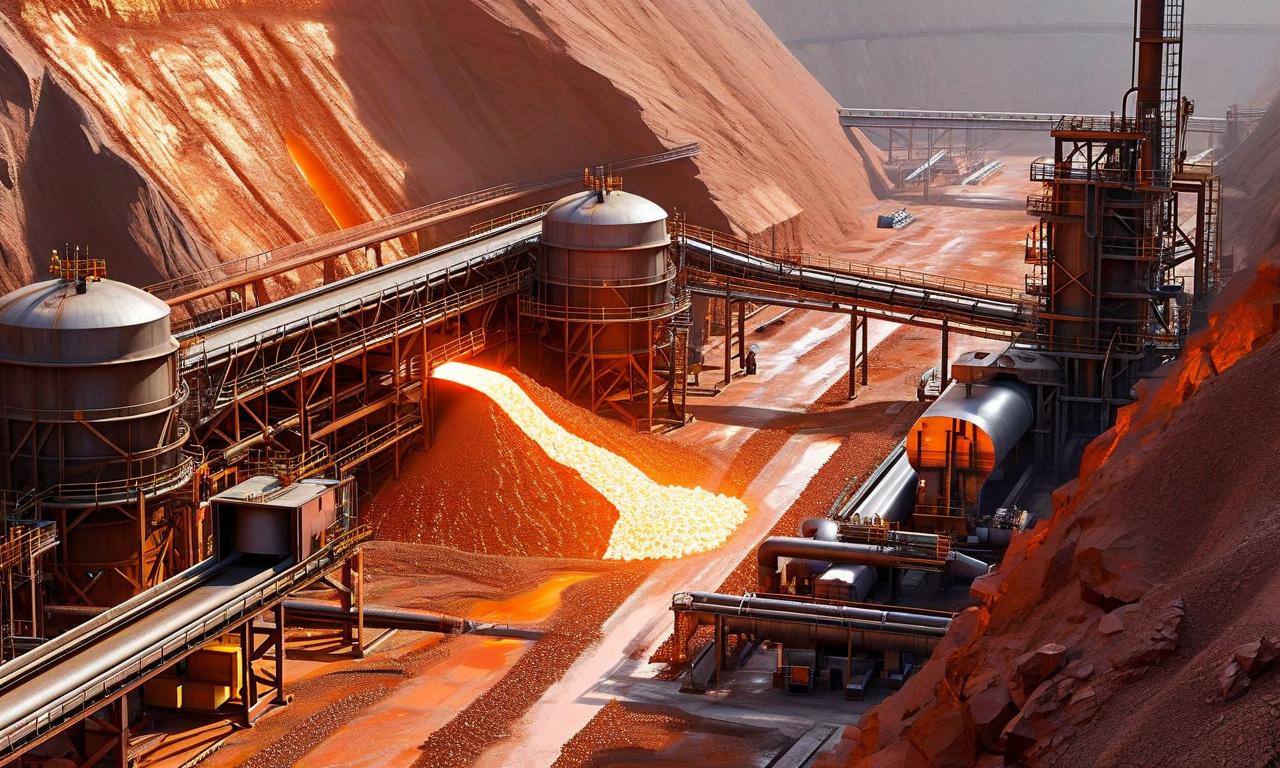

*this image is generated using AI for illustrative purposes only.
Chinese copper buyers have dramatically reduced purchases as metal prices soared to historic highs, creating a stark disconnect between speculative futures markets and actual industrial demand. The retreat by the world's largest copper consumer underscores the challenges facing commodity markets amid economic uncertainty.
Record Price Surge Triggers Demand Collapse
Copper prices on the London Metal Exchange broke through the $13,000 per tonne barrier for the first time this week, representing an extraordinary gain of almost 50% over the previous year. In Shanghai, the copper contract topped 100,000 yuan per tonne ($14,300) for the first time at the end of December, accounting for import costs.
| Market Milestone | Price Level | Significance |
|---|---|---|
| London Metal Exchange | Above $13,000/tonne | First time breakthrough |
| Shanghai Contract | 100,000 yuan/tonne ($14,300) | Historic high including import costs |
| Annual Gain | Nearly 50% | Exceptional yearly performance |
The price surge stems from a confluence of factors including tighter global supply, favorable interest rates, and investors seeking commodity hedges against geopolitical uncertainty. However, this speculative frenzy contrasts sharply with muted actual demand from industrial users.
Industrial Activity Hits Multiyear Lows
Chinese fabricators are operating at multiyear seasonal lows, with the reduced activity extending even into autumn when demand typically peaks. The manufacturing sector's weakness reflects broader economic challenges stemming from China's sluggish post-pandemic recovery and structurally weaker growth patterns.
Refined copper inventories monitored by the Shanghai Futures Exchange have swelled to over 145,000 tonnes by December end, reaching eight-year highs for that period. While inventory builds typically occur before Chinese New Year, the current levels significantly exceed normal seasonal patterns.
Supply Chain Tensions Emerge
The price disconnect has created tensions throughout the supply chain, particularly affecting import dynamics. Chilean producer Codelco, a benchmark-setting supplier, has offered 2026 annual contracts at premiums of $350 per tonne over London Metal Exchange prices. This sharp increase was prompted by surge in exports to the United States, raising concerns about international supply shortages.
| Contract Terms | Codelco Offer | Chinese Response |
|---|---|---|
| 2026 Annual Premium | $350/tonne over LME | Very few sign-ups |
| Chinese Preference | Closer to $100/tonne | Limited purchasing |
| Export Premiums | $30/tonne from smelters | Lower prices for volume |
Asian dealers report minimal Chinese importer participation, with buyers only willing to purchase when premiums approach $100 per tonne. Some eastern Chinese smelters are offering even lower premiums of approximately $30 per tonne for copper exports, with further discounts available for larger quantities.
Market Outlook Remains Uncertain
The current situation highlights the fundamental disconnect between financial market speculation and real-world industrial consumption. While wealthy investors drive futures prices higher through commodity hoarding strategies, actual users in China's manufacturing sector continue to struggle with weak downstream demand.
This divergence between paper markets and physical consumption patterns suggests ongoing volatility as the copper market attempts to reconcile speculative positioning with underlying economic fundamentals in the world's largest consuming nation.
 18
18







 Access Market Heat-map & Insights
  Create, Save & Share your Screener
  Use 200+ Screening Filters





