

Copper Reaches Record High Amid Speculative Demand and Supply Concerns


Copper prices hit record highs on Wednesday, with LME copper reaching $13,407 per metric ton, gaining 44% over 12 months due to mine disruptions and supply concerns. However, weak Chinese import data suggests industrial users are reluctant to buy at elevated prices. Tin also surged to records with 24-30% January gains, though analysts attribute this to speculative trading rather than fundamental changes.



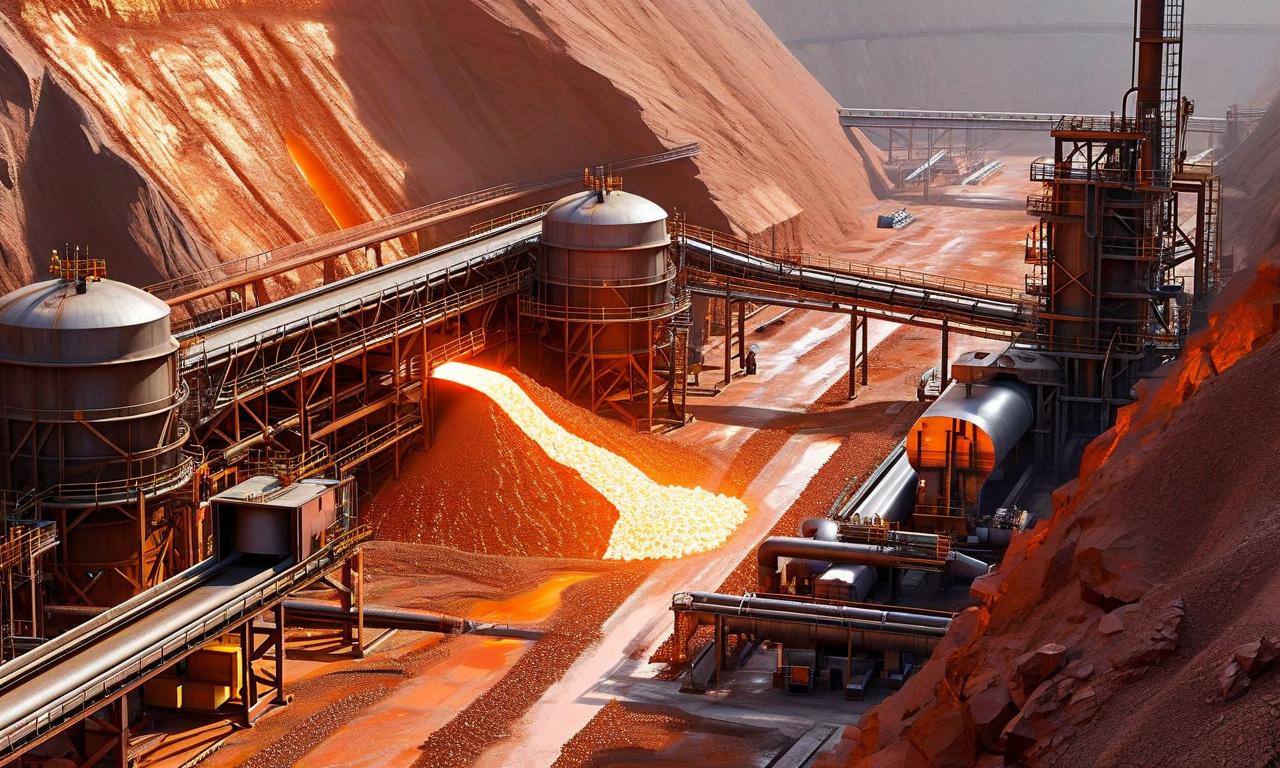
*this image is generated using AI for illustrative purposes only.
Copper prices reached unprecedented levels on Wednesday, driven by persistent speculative fund demand, though market participants expressed growing concerns about the impact of high prices on industrial purchasing behavior.
Record Price Levels and Market Performance
Benchmark three-month copper on the London Metal Exchange demonstrated strong momentum, rising 0.6% to $13,240 per metric ton during official open-outcry trading. The session saw copper touch a record high of $13,407 per metric ton, marking a significant milestone for the industrial metal.
| Exchange | Price Level | Currency | Performance |
|---|---|---|---|
| LME 3-Month Copper | $13,240 | USD per ton | +0.6% daily |
| Record High | $13,407 | USD per ton | All-time high |
| 12-Month Gain | - | - | +44% |
| Shanghai Futures | 104,120 yuan | CNY per ton | +0.9% |
| Shanghai Record | 105,650 yuan | CNY per ton | All-time high |
LME copper has gained 44% over the past 12 months, supported by multiple supply-side factors including disruptions at mines, concerns about supply deficits, and metal flows to the U.S. ahead of potential tariffs that are tightening supply availability elsewhere.
Market Dynamics and Analyst Perspectives
Ole Hansen, head of commodity strategy at Saxo Bank in Copenhagen, attributed the surge to broader investment trends. "With all these concerns about debasement, financial risks and Fed independence, this demand for hard assets is just sensational," Hansen explained. He noted the challenge in determining demand destruction levels, stating, "There's a limit in industrial metals where we hit a wall in terms of potential demand destruction. I just don't know where that level is and whether it's here."
Data showing weak copper imports to China, the world's top metals consumer, highlighted the reluctance of physical copper users to purchase at current elevated price levels. Hansen suggested that a close below $13,000 would likely trigger a downside reaction based on technical signals.
Tin Market Surge and Broader Metals Performance
Tin prices experienced dramatic increases across both Shanghai and London markets, hitting record highs with remarkable gains of 24% and 30% respectively during January. Investors have been betting on rapid demand growth for tin used in semiconductor manufacturing, driven by the artificial intelligence boom.
| Metal | Exchange | Price | Performance |
|---|---|---|---|
| Tin | SHFE | 413,170 yuan | +8% (upper limit) |
| Tin | LME | $52,700 | +6.4% |
| Aluminium | LME | $3,204 | +0.2% |
| Zinc | LME | $3,249.50 | +1.5% |
| Lead | LME | $2,071 | +0.5% |
| Nickel | LME | $18,140 | +2.6% |
Jing Xiao, an analyst at broker SDIC Futures, emphasized that tin's price rally has been primarily driven by speculative trading rather than fundamental changes. "We do not see any dramatic change in tin's fundamentals. The price rally has been powered by speculative trading," Xiao stated.
Supply and Demand Fundamentals
Tom Langston at the International Tin Association confirmed that supply-demand metrics have not experienced significant shifts, noting that fund interest for LME tin has reached record levels. Despite concerns about industrial demand destruction, Hansen indicated that copper demand in China appeared stable, with potential stocking activities ahead of the Lunar New Year holiday.
The broader metals complex showed mixed but generally positive performance, with most base metals recording gains. The market continues to balance speculative investment flows against fundamental supply-demand dynamics, with particular attention on how sustained high prices might affect industrial consumption patterns.
 20
20








 Create Custom Screeners
  Access 200+ Pre-built Filters
  Use 50+ Readymade Screener





