India's Petroleum Ministry Monitors Middle East Situation to Ensure Energy Security

0 min read     Updated on 02 Mar 2026, 06:10 PM
scanx
Reviewed by
Radhika SScanX News Team
Overview

India's Petroleum Ministry is actively monitoring Middle East developments to protect the country's energy security. The ministry has committed to implementing necessary measures to ensure major petroleum products remain available and affordable for Indian consumers amid regional geopolitical situations.

34000837

*this image is generated using AI for illustrative purposes only.

India's Petroleum Ministry has announced its commitment to closely monitoring the evolving situation in the Middle East region. The ministry's vigilant approach aims to safeguard the country's energy security and ensure uninterrupted access to essential petroleum products.

Strategic Monitoring Initiative

The Petroleum Ministry's surveillance of Middle East developments represents a proactive approach to energy security management. The region's significance as a major oil-producing area makes continuous monitoring essential for India's energy planning and policy formulation.

Commitment to Product Availability

The ministry has assured that necessary actions will be implemented to maintain the availability of major petroleum products across the country. This commitment encompasses ensuring adequate supply chains and distribution networks remain operational regardless of regional developments.

Affordability Assurance

Alongside availability concerns, the ministry has emphasized its focus on maintaining petroleum product affordability for Indian consumers. The government's approach involves taking measured steps to prevent significant price volatility that could impact domestic markets.

Policy Response Framework

The ministry's statement indicates a prepared response mechanism to address potential disruptions. This framework allows for swift policy interventions and strategic decisions to protect India's petroleum product supply and pricing stability.

like19
dislike

India Accelerates Clean Energy Transition with Expanded EV Charging Network and Biofuel Initiatives in 2025

2 min read     Updated on 26 Dec 2025, 06:01 PM
scanx
Reviewed by
Suketu GScanX News Team
Overview

India's clean energy transition accelerated significantly in 2025, with the Ministry of Petroleum & Natural Gas reporting major achievements across multiple sectors. The country installed over 27,000 EV charging stations through FAME-II scheme and OMC initiatives, while establishing 1,064 integrated energy stations. Ethanol blending reached 19.24% generating ₹1.55+ lakh crore in foreign exchange savings, and over 130 CBG plants were commissioned under the SATAT initiative. The aviation sector introduced SAF blending targets and achieved India's first ISCC CORSIA certification for sustainable fuel production.

28297910

*this image is generated using AI for illustrative purposes only.

India's transportation sector witnessed significant advancements in clean energy adoption during 2025, with substantial progress across electric vehicle infrastructure, biofuels, and sustainable aviation fuel initiatives. The comprehensive developments were outlined in the Year End Review 2025 released by the Ministry of Petroleum & Natural Gas, highlighting the country's accelerated transition towards sustainable mobility solutions.

Electric Vehicle Infrastructure Expansion

The electric mobility sector experienced robust growth throughout 2025, with substantial infrastructure development across multiple channels. The expansion encompassed both government-supported initiatives and private sector investments, creating a comprehensive charging network nationwide.

Infrastructure Type: Number of Stations Implementation Method
FAME-II Scheme Installations: 8,932 Retail outlet installations
OMC Self-funded Stations: 18,500+ Company resources
Energy Stations (as of Nov 1): 1,064 Integrated mobility hubs

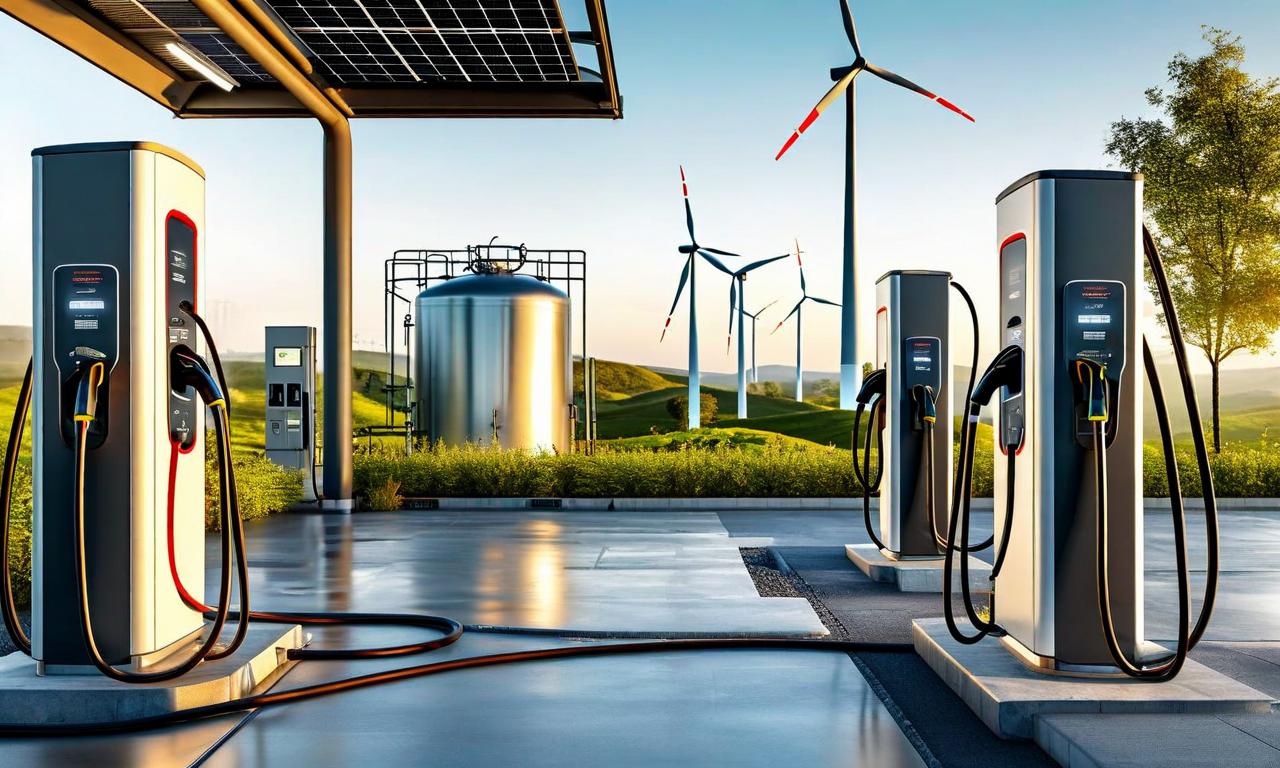
Public sector oil marketing companies are implementing an ambitious long-term strategy to establish 4,000 energy stations between 2024-25 and 2028-29. These integrated facilities will serve as comprehensive mobility hubs, offering traditional fuels alongside alternative options including biofuels, CNG, LNG, and electric vehicle charging capabilities along major highways and strategic locations.

Biofuel Sector Achievements

The biofuel segment demonstrated remarkable progress across multiple categories, with significant milestones in both production capacity and blending achievements. Ethanol blending in petrol reached an impressive average of 19.24% during ESY 2024-25, generating substantial economic and environmental benefits.

Biofuel Category: Achievement Impact
Ethanol Blending: 19.24% average ₹1.55+ lakh crore forex savings
CBG Plants (as of Nov 1): 130+ commissioned Additional plants under construction
Second-generation Plants: Panipat & Numaligarh Pradhan Mantri JI-VAN Yojana

The SATAT initiative showed substantial progress with over 130 compressed bio gas plants commissioned as of November 1, while several additional facilities remain under construction. The sector received further impetus with the commencement of mandatory blending obligations for CBG in CNG and PNG segments from FY2025-26, supported by financial assistance for pipeline connectivity and biomass aggregation.

Sustainable Aviation Fuel Initiative

The aviation sector marked a significant milestone in sustainable fuel adoption with the establishment of clear blending targets and domestic production capabilities. The government introduced indicative sustainable aviation fuel blending targets for international flights, setting progressive goals of 1%, 2%, and 5% in aviation turbine fuel for 2027, 2028, and 2030 respectively.

Indian Oil Corporation Limited achieved a historic breakthrough by becoming the first Indian company to receive ISCC CORSIA certification for SAF production at its Panipat refinery. This achievement was complemented by a strategic memorandum of understanding with Air India for sustainable aviation fuel supply, establishing a domestic supply chain for cleaner aviation fuels.

Biodiesel and Alternative Fuel Progress

Biodiesel blending experienced notable growth during 2025, supported by increased procurement volumes and diversified feedstock sources. This expansion contributed to the broader transition towards cleaner transport fuels, complementing the achievements in ethanol and compressed bio gas sectors. The integrated approach across multiple fuel categories demonstrates India's comprehensive strategy for reducing carbon emissions and achieving energy security through domestic production capabilities.

like15
dislike

More News on ministry of petroleum and natural gas