

China oil imports rebound masks complex inventory dynamics


China's crude oil imports are expected to rebound in August, but JPMorgan attributes this to state-directed restocking of strategic reserves rather than a genuine demand recovery. The bank highlights that Beijing drew down inventories built from discounted sanctioned crude, while escalating U.S. sanctions on independent refiners threaten the supply of cheap feedstock. Additionally, JPMorgan notes that lifting China's refined-product export ban could significantly alter global fuel flows, and identifies PetroChina as a top pick amid a structural shift toward chemical demand.


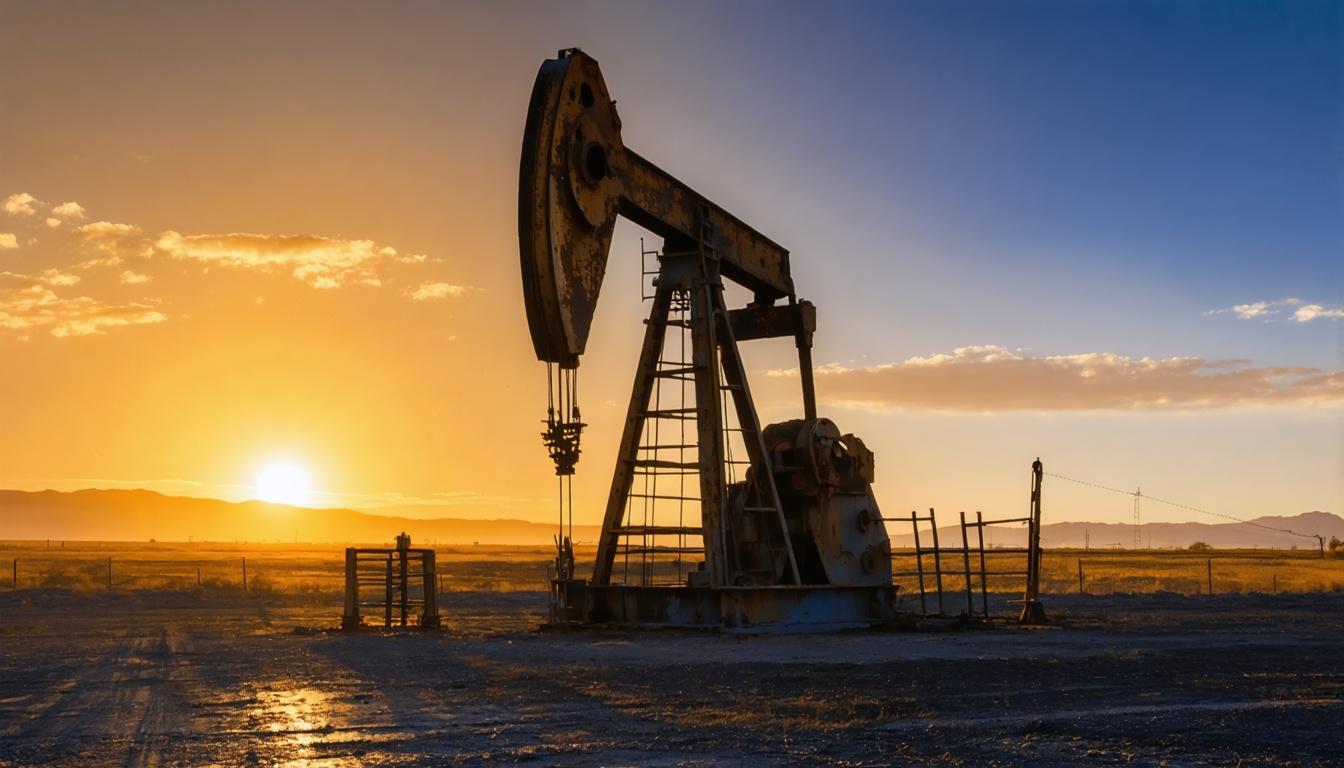
*this image is generated using AI for illustrative purposes only.
China's crude oil imports are poised to rebound in August, according to JPMorgan, but the anticipated recovery is driven by state-directed restocking rather than a surge in end-user demand. Between February and May, imports fell by 4.8 million barrels per day, a drop steeper than the peak decline during the COVID-19 pandemic. Instead of purchasing expensive barrels during the Middle East conflict, Beijing drew down domestic inventories for the first time in over a year, utilizing a strategic cushion estimated between 1.2 and 1.3 billion barrels.
Inventory Drawdowns and Strategic Reserves
Vessel-tracking data indicates that imports remained around 8 million barrels per day in June, suggesting China burned through an additional 3 million barrels per day from storage. A significant portion of these reserves was built from discounted, sanctioned crude, primarily from Iran and Russia. JPMorgan estimates that approximately 3 million barrels per day of the import decline is temporary, with recovery expected as the chemicals sector resumes operations and strategic reserves are refilled. However, restocking is finite and differs structurally from a durable demand recovery.
Sanctions Pressure on Independent Refiners
China's independent refiners, known as "teapot" refineries, have historically absorbed the majority of Iran's oil exports. This dynamic is shifting as the U.S. Treasury intensifies sanctions enforcement. Hengli Petrochemical has already been sanctioned, and at least four other teapots face similar pressure. This escalating campaign threatens the supply of discounted feedstock that has underpinned the financial viability of these refiners, complicating the outlook for China's oil imports.
Policy Levers and Export Controls
A critical factor overlooked by many traders is China's refined-product export ban, implemented to secure domestic supply during the Middle East conflict. JPMorgan analysts note that a full lifting of this ban could increase refined fuel shipments by 88 to 160 percent from first-half levels. This policy lever represents a massive potential swing in global product flows, highlighting Beijing's capacity to actively shape energy markets beyond mere import volumes.
Investment Implications and Sector Shifts
JPMorgan identifies PetroChina as a top equity pick in this environment, projecting an annualized dividend yield of 6.4 percent for its Hong Kong-listed shares, outpacing domestic rival Sinopec's 4.8 percent. On the chemicals side, the bank favors Taiwanese Nan Ya Plastics for its potential role in AI server materials and South Korea's LG Chem as a laggard play on recovering demand. Long-term, JPMorgan forecasts annual declines of 6 percent and 4 percent for China's gasoline and diesel demand respectively through 2030, signaling a structural shift toward chemicals and industrial feedstocks over transportation fuels.
| Metric | Value |
|---|---|
| Import decline (Feb-May) | 4.8 million barrels per day |
| Strategic reserve estimate | 1.2–1.3 billion barrels |
| Temporary import decline | 3 million barrels per day |
| Potential refined export increase | 88–160% |
| PetroChina dividend yield | 6.4% |
| Sinopec dividend yield | 4.8% |
| Gasoline demand forecast (through 2030) | -6% annually |
| Diesel demand forecast (through 2030) | -4% annually |

How will the U.S. Treasury's intensified sanctions enforcement on independent refiners alter the global pricing landscape for discounted crude from Iran and Russia?
If Beijing lifts the refined-product export ban, what impact could an 88 to 160 percent surge in shipments have on global refining margins and product arbitrage?
As China's strategic reserve restocking nears completion, how will the absence of this state-directed demand affect global oil prices in late 2024 and early 2025?
 18
18








 Create Custom Screeners
  Access 200+ Pre-built Filters
  Use 50+ Readymade Screener





