

Top analyst warns Iran risk could rise after midterms as Brent hits 5-month high


- Chevron and ExxonMobil shares hit fresh 52-week highs amid geopolitical tensions
- RBC analyst warns of significant escalation risk after U.S. midterm elections
- Peter Schiff predicts oil prices could reach $150 per barrel post-elections
- U.S. naval deployment aids Strait of Hormuz transits but sustainability questioned
- Brent crude hits 5-month high as inventories fall and strategic reserves are released

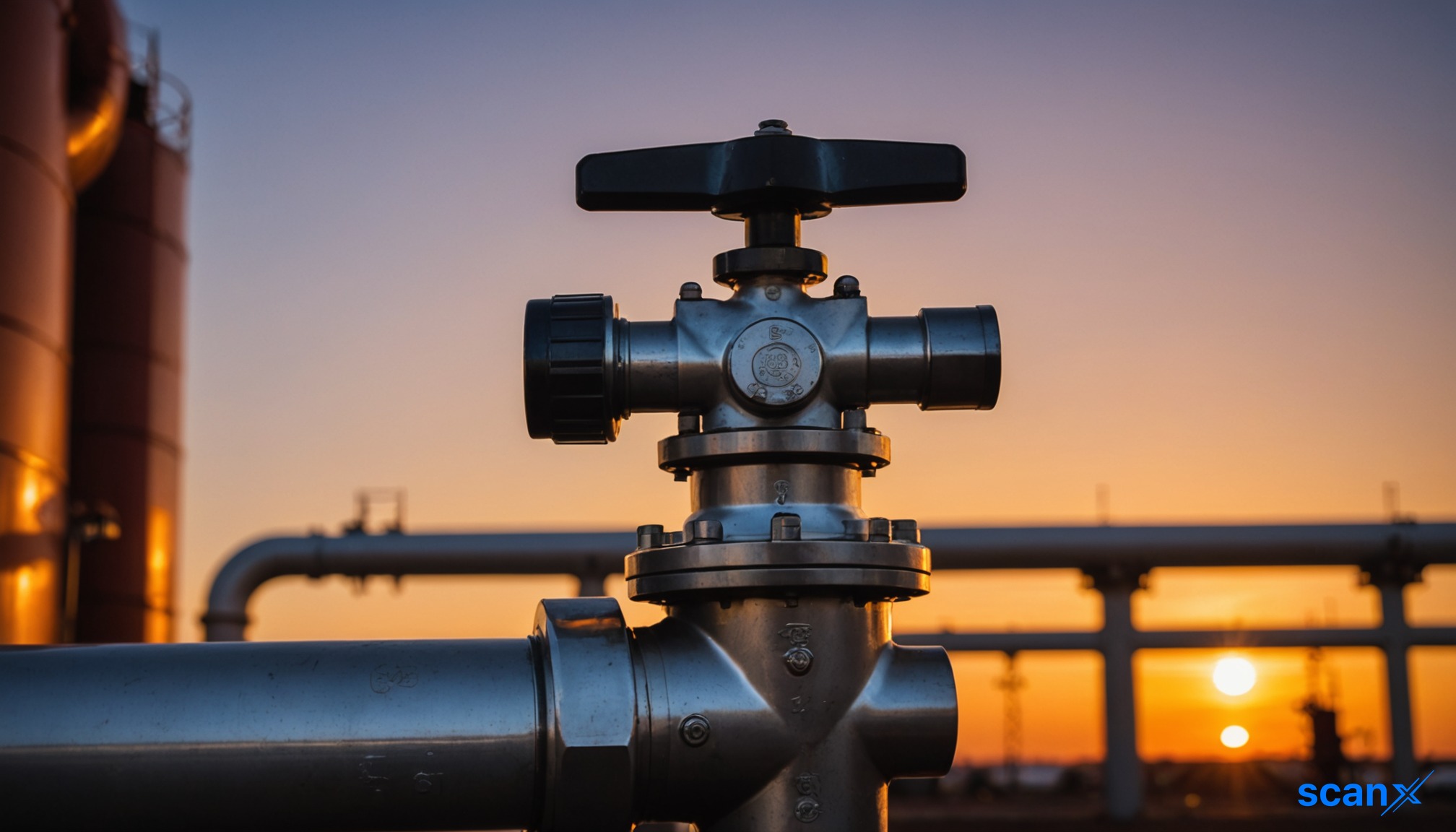

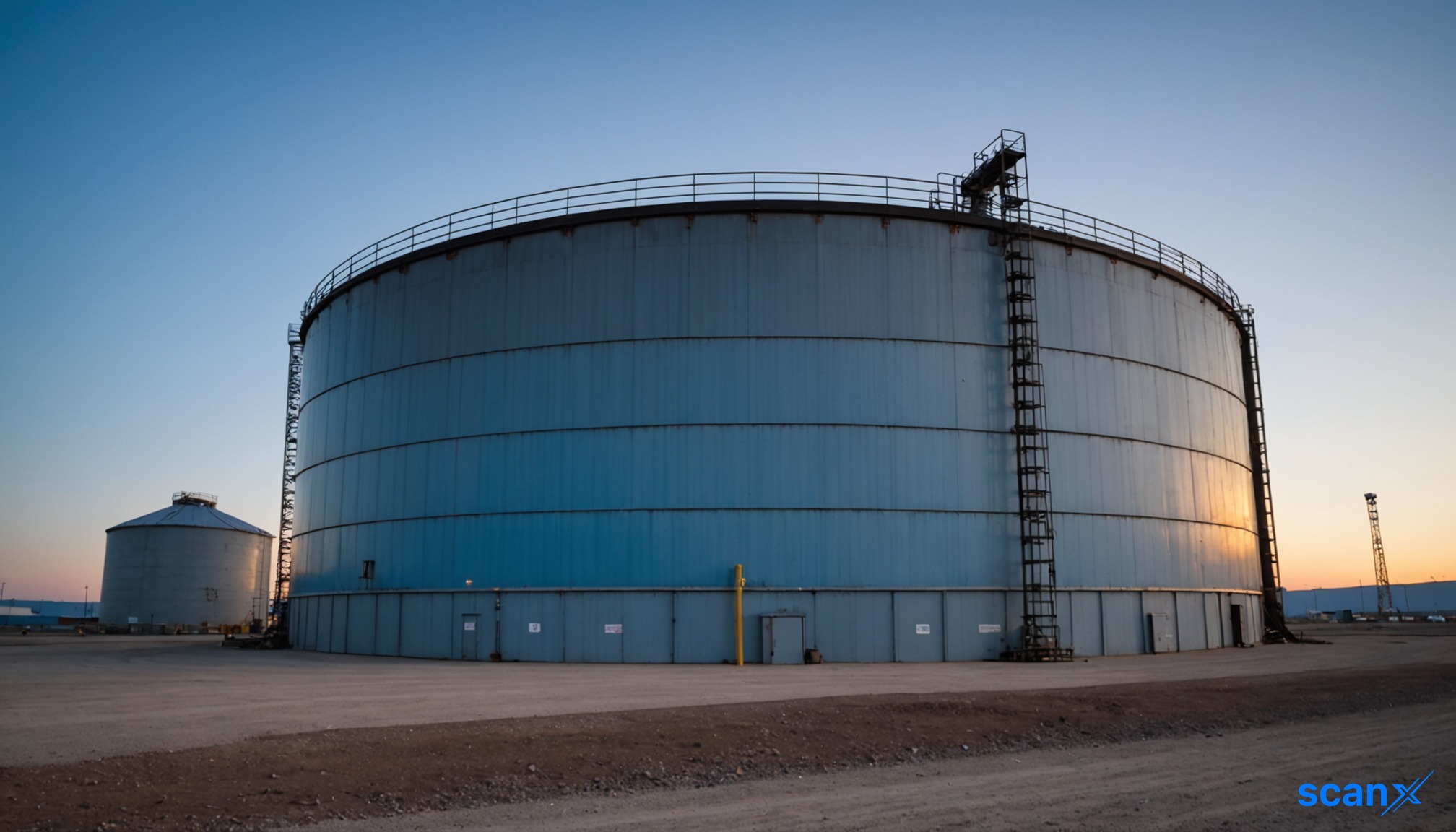
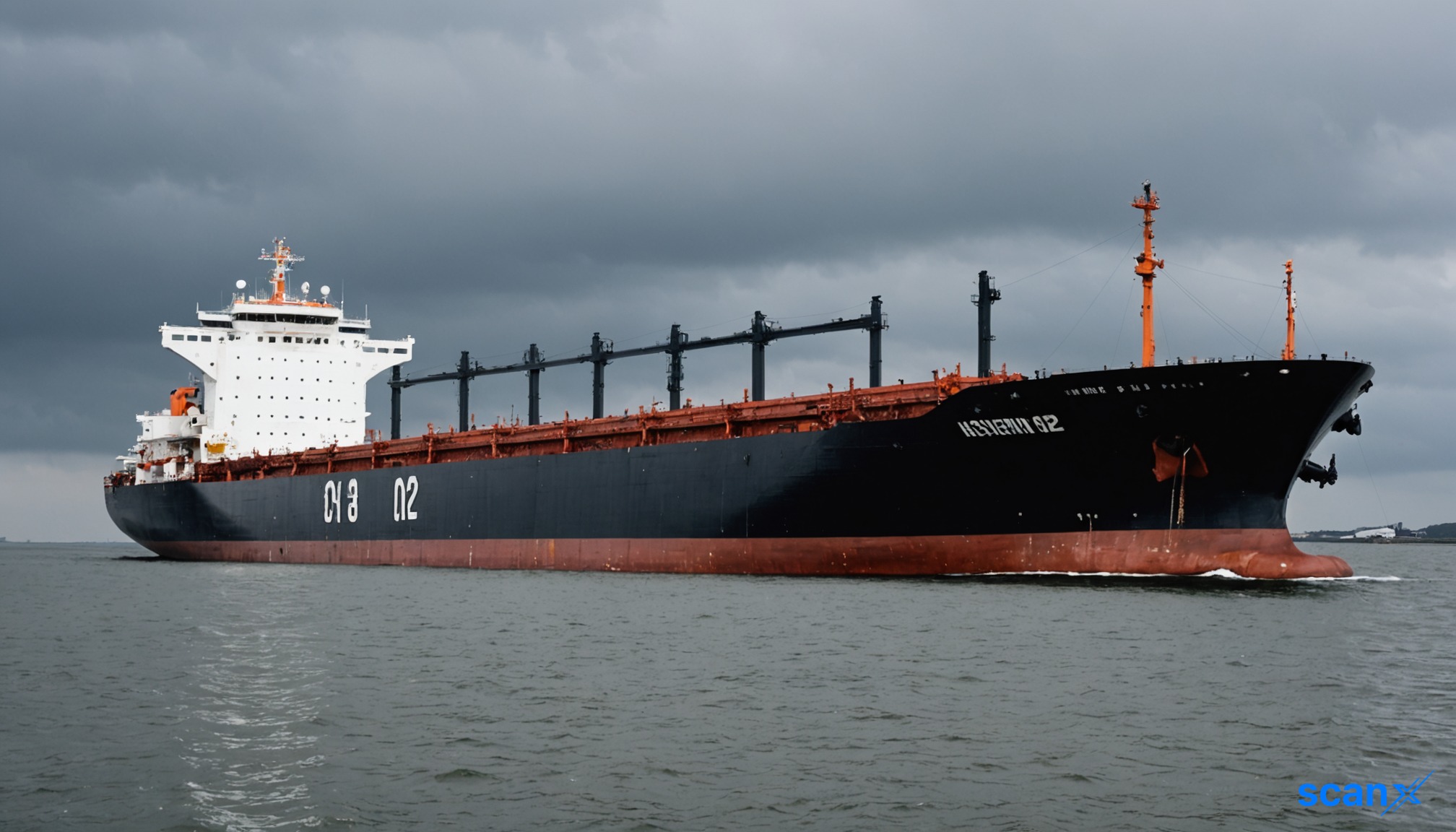
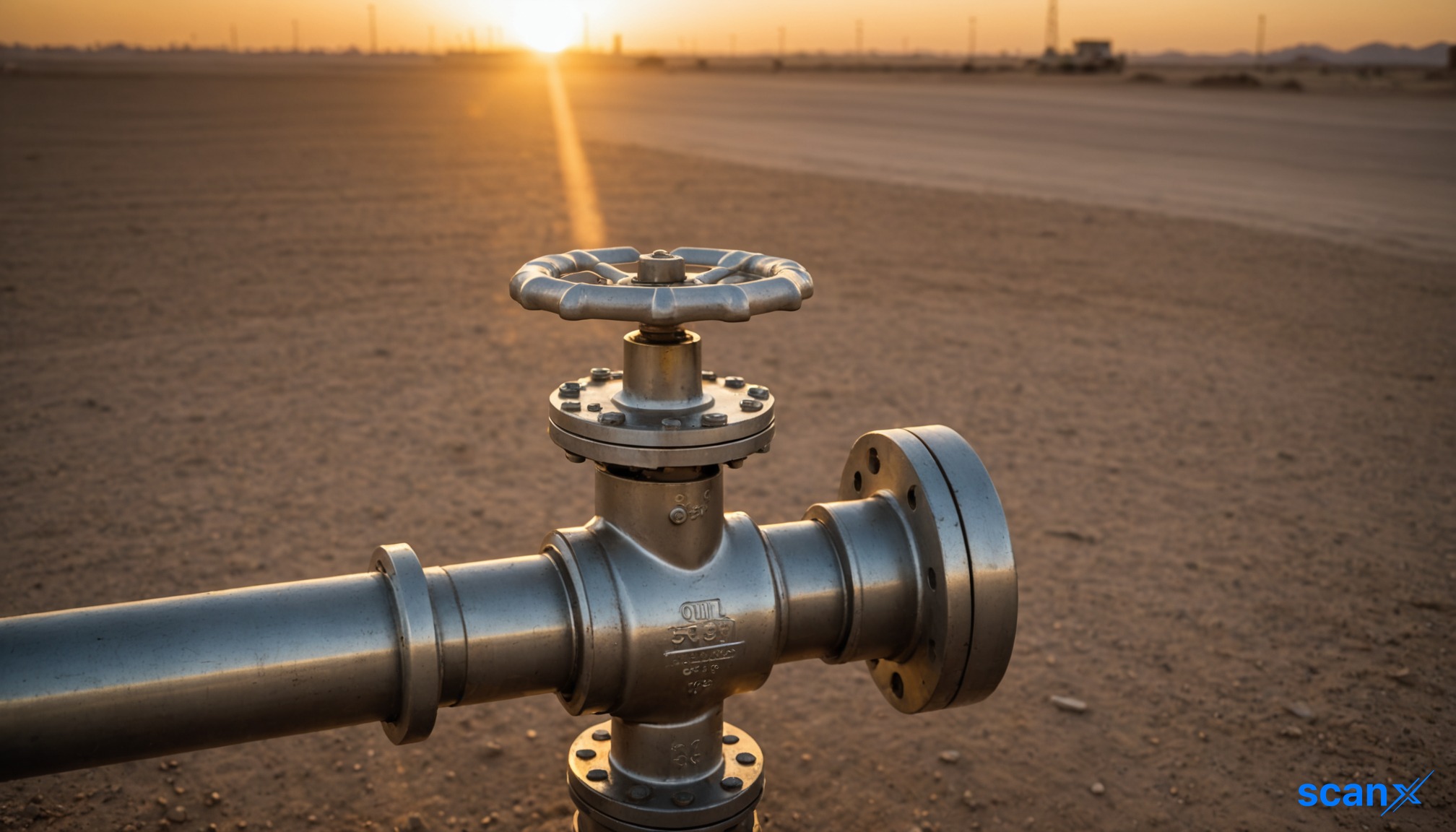
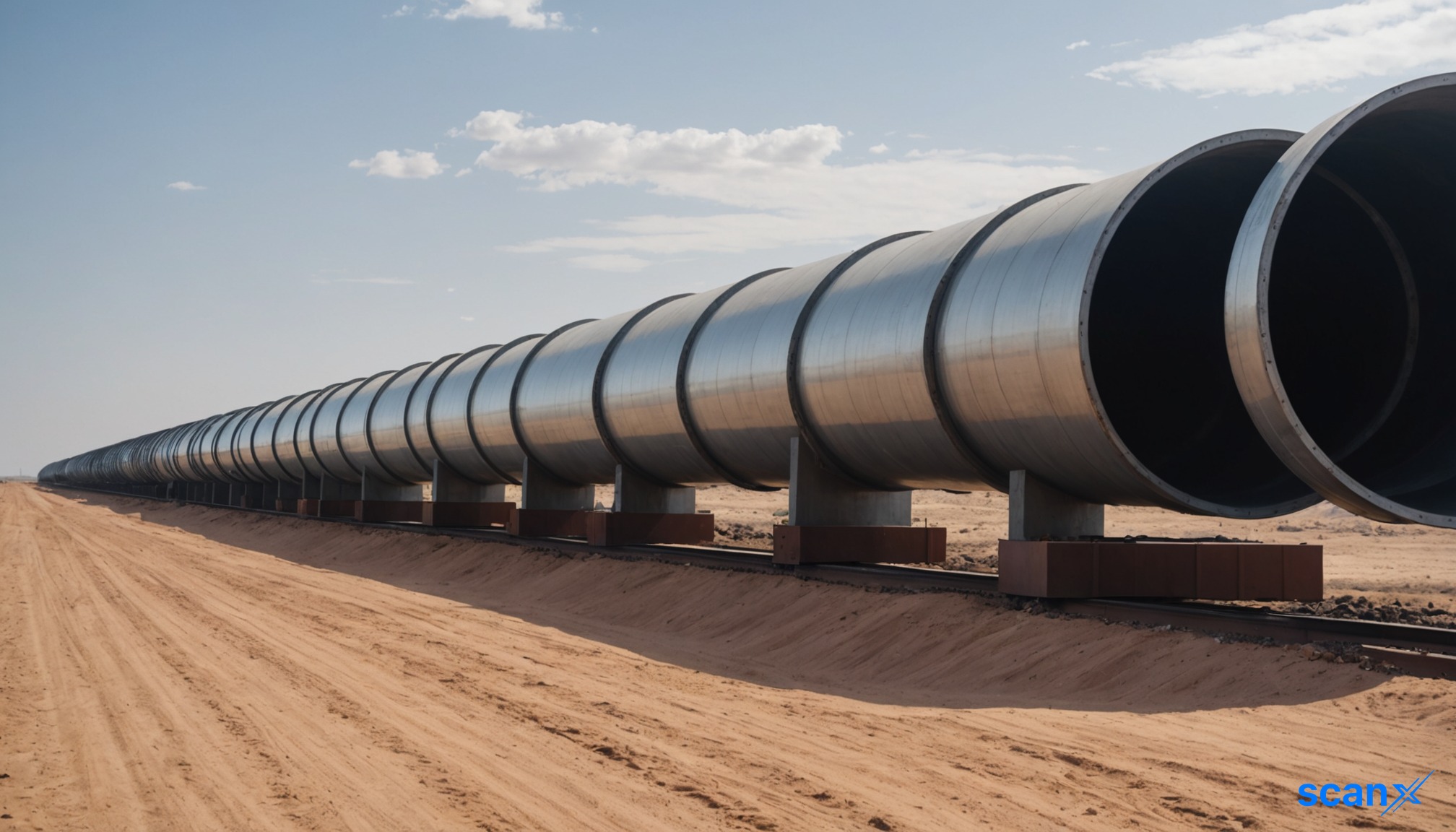
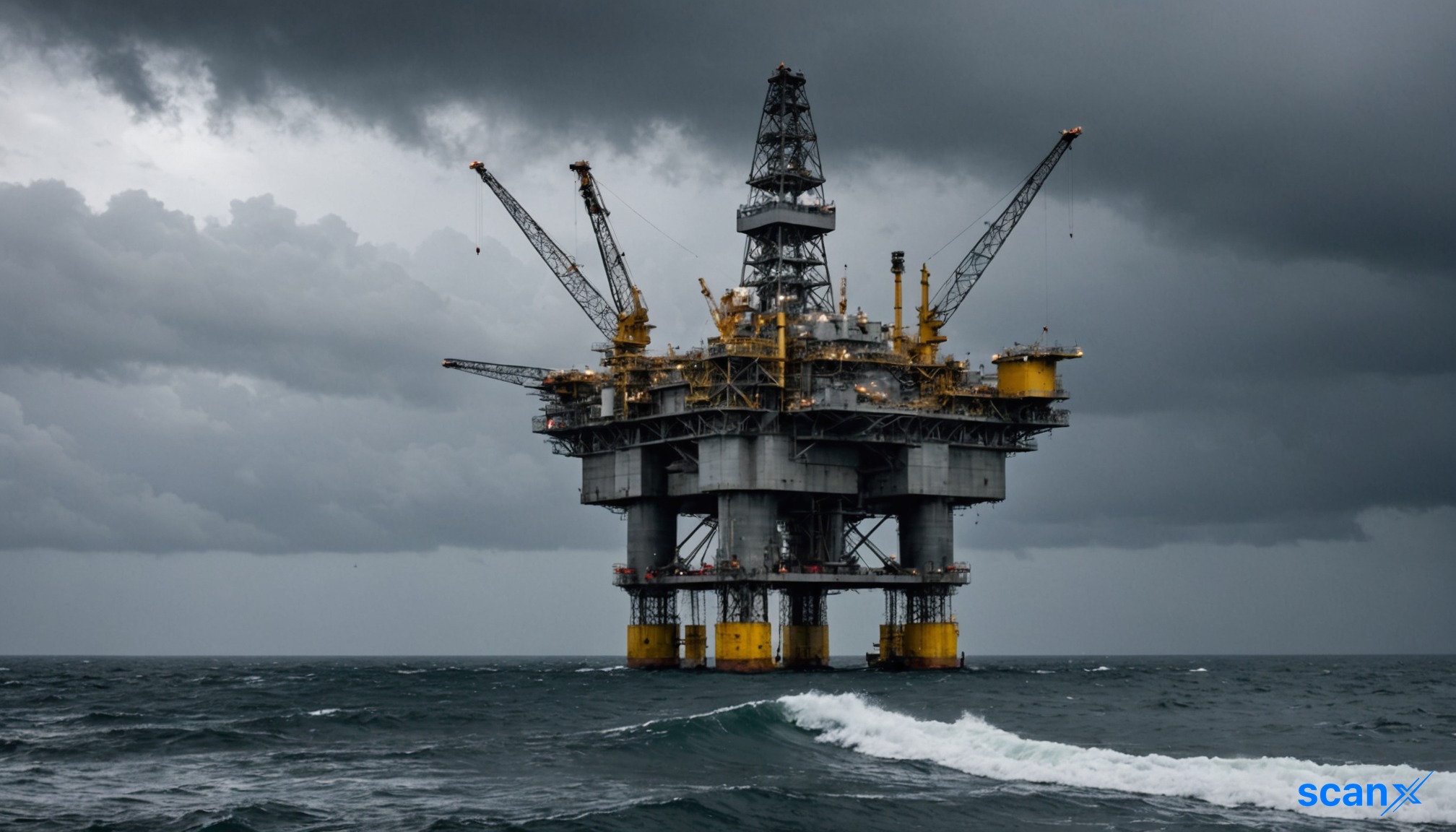
*this image is generated using AI for illustrative purposes only.
Chevron Corp. (NYSE: CVX) and ExxonMobil Holdings Corp. (NYSE: XOM) shares climbed to fresh 52-week highs on Monday, fueled by a sharp jump in crude oil prices following renewed U.S. and Israeli threats against Iran.
President Donald Trump and Israeli Prime Minister Benjamin Netanyahu escalated rhetoric toward Tehran, while Iranian officials warned that any renewed military action would trigger a stronger response. This geopolitical tension raised concerns about further disruptions to energy supplies from the Middle East.
Energy stocks and oil prices surge
Chevron shares hit $225.67 on Monday, marking a new 52-week high. Exxon Mobil climbed to $179.30, also setting a fresh 52-week high, according to Benzinga Pro data.
The moves came alongside a sharp rally in crude oil prices. Brent crude surged to an intraday high of $110.97 per barrel on Monday, its highest level since May 5, 2026. Traders assessed the risk that renewed U.S.-Israeli military action against Iran could threaten oil production and shipments from the region.
The Strait of Hormuz remains a particular focus for energy markets. The key waterway is critical to global oil flows, meaning any prolonged disruption could put additional upward pressure on crude prices and benefit major integrated oil producers such as Chevron and ExxonMobil.
| Asset | Price/Level | Change/Status |
|---|---|---|
| Chevron (CVX) | $225.67 | New 52-week high |
| ExxonMobil (XOM) | $179.30 | New 52-week high |
| Brent Crude | $110.97 | Highest since May 5, 2026 |
| United States Oil Fund (USO) | $162.73 | Up 1.19% in overnight trading |
| ProShares Ultra Bloomberg Crude Oil (UCO) | $64.74 | Up 1.43% at last check |
Analysts warn of post-midterm escalation risk
Helima Croft, Head of Global Commodity Strategy at RBC Capital Markets, stated that there is a significant risk of escalation between the U.S. and Iran following the upcoming midterm elections in November. During an interview with CNBC, Croft noted that President Trump could be pushed by regional allies and Washington insiders to take a tougher stance against Tehran.
Croft identified a "finish-the-job camp" within the administration that believes the White House cannot leave the regime in Iran operating as it currently does. She pointed to ship strikes in the waterway and the engagement of Yemen’s Iran-aligned Houthis with Saudi Arabia as factors driving this sentiment.
Economist Peter Schiff echoed these concerns, warning that oil prices could soar following the end of the midterm elections. Schiff separately indicated that oil prices could move toward $150 per barrel after the November vote.
Strait of Hormuz transits aided by naval presence
Recent data from shipping tracker Kpler showed over 19 million barrels of oil moving through the Strait of Hormuz daily. Croft acknowledged an increase in transits from August onward but warned that this flow is being aided by a "massive deployment" of U.S. naval presence in the region.
"By some accounts, 30% of U.S. naval assets are being used just on the blockade of Iran," Croft said, describing the situation as a "patchwork arrangement" to aid ship movement. She added that vessels are still being targeted, meaning the strait is not fully open for business, and Gulf nations have indicated that current measures are not sustainable.
Brett Erickson, Managing Principal at Obsidian Risk Advisors, warned that more strikes from Iran on vessels in the Gulf of Oman and the Persian Gulf could be coming after the Persian Gulf Strait Authority added 122 vessels to a sanctions list for non-compliance. Erickson had previously suggested that Iran’s strikes beyond the Strait of Hormuz signaled Tehran was "taking it easy" on Trump.
Threats extend to digital infrastructure
A spokesperson for Iran’s Islamic Revolutionary Guard Corps warned that Tehran could target undersea cable infrastructure. This follows comments from Iran’s Parliament speaker Mohammad Bagher Ghalibaf, who warned countries in the Gulf region against helping AI companies that aid U.S. military infrastructure.
Oil market supply risks and inventory data
Oil continues to carry a significant geopolitical risk premium as uncertainty over the Strait of Hormuz persists, ING Think analysts Warren Patterson and Ewa Manthey said. They noted that a full unwind of that premium would likely require a U.S.-Iran agreement that gives markets confidence in sustained regional oil flows.
Meanwhile, International Energy Agency members agreed to release the remaining 100 million barrels from strategic reserves. U.S. crude inventories fell 8.56 million barrels last week, while distillate stocks dropped 2.53 million barrels to record seasonal lows, adding to signs of tightness in the oil market.
At the time of writing, West Texas Intermediate futures contracts ending in December 2026 rose 2.30% to $100.81. Brent futures contracts ending in December gained 1.71% to $111.42. The United States Oil Fund ETF rose 2.39% to $164.72, while the ProShares Ultra Bloomberg Crude Oil ETF gained 2.36% to $65.38 during pre-market trading.
However, the national average price of gas fell on Tuesday to $4.2786 per gallon, according to American Automobile Association data. Diesel saw a marginal uptick to $6.3199 per gallon.

How might the depletion of the remaining 100 million barrels in strategic reserves impact market resilience if Strait of Hormuz disruptions persist beyond the current naval protection measures?
What specific financial or operational impacts could Iranian threats to undersea cable infrastructure have on Gulf-based AI and tech companies, and how might this alter regional investment flows?
Given that gas prices fell despite the oil rally, what factors are currently suppressing consumer fuel costs, and how long can this divergence between crude and retail prices be sustained?
 17







 Access 50+ Readymade Screeners
 Use 200+ Custom Filters
 Get Full Market Insights





