

Schmid in talks with Nvidia, Intel, AMD for glass substrate supply


- Schmid is in talks with Nvidia, Intel and AMD to supply glass substrates
- Glass substrates boost speed and cut power use versus plastic alternatives
- Technology supports stacking more HBM on AI chips
- Jensen Huang discussed glass substrates with Chey Tae-won

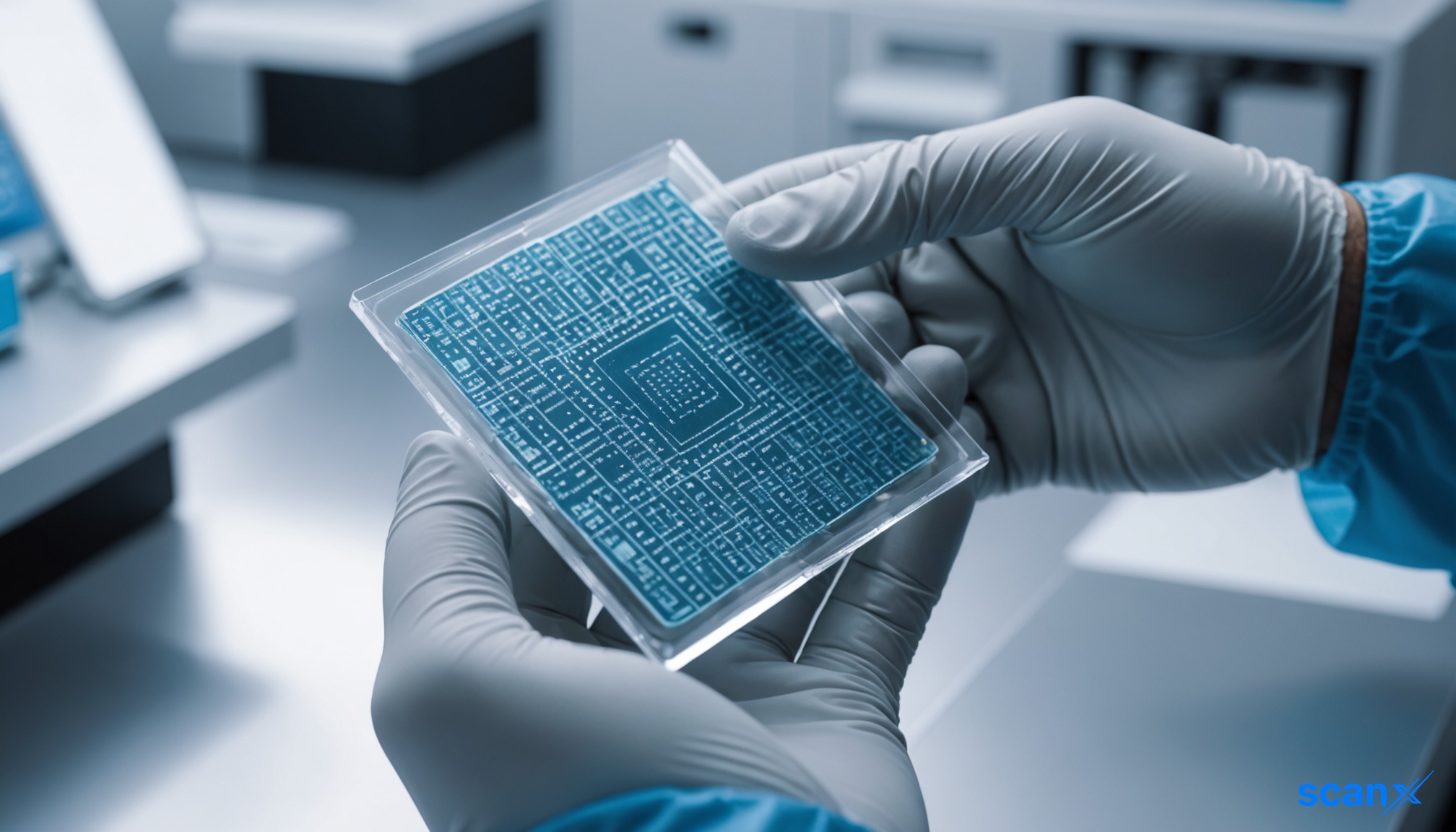

*this image is generated using AI for illustrative purposes only.
Germany's Schmid has entered discussions with major chipmakers including Nvidia, Intel and AMD regarding the supply of glass substrates. This move highlights the industry's shift toward advanced packaging materials to support next-generation AI chips.
The proposed glass substrates offer distinct technical advantages over traditional plastic options. According to reports, the material boosts processing speed while simultaneously reducing power consumption. These efficiency gains are critical as demand for high-bandwidth memory (HBM) integration on AI chips continues to rise.
Strategic Implications
The negotiations underscore a broader trend in semiconductor manufacturing where material science plays a pivotal role in performance scaling. Glass substrates are viewed as a key enabler for stacking more HBM modules on AI processors, addressing thermal and structural limitations of current organic substrates.
Notably, Nvidia CEO Jensen Huang previously discussed glass substrate technologies with SK Group Chairman Chey Tae-won. This high-level engagement suggests that leading industry figures are actively evaluating the commercial viability of this transition.

How might the adoption of glass substrates impact the current dominance of organic substrate suppliers like Ibiden and Shinko?
What specific yield challenges must Schmid overcome to scale glass substrate production for mass-market AI chips?
Could the shift to glass substrates accelerate the timeline for next-generation HBM4 and HBM5 integration in AI accelerators?
 16








 Access Market Heat-map & Insights
 Create, Save & Share your Screener
 Use 200+ Screening Filters





