NVIDIA (NASDAQ: NVDA) announced a collaboration with Australian cloud and infrastructure partners to expand AI compute capacity, targeting a 2-gigawatt buildout by 2027.
The initiative leverages the NVIDIA DSX platform to host multiple generations of compute infrastructure, supporting local demand from startups, enterprises, and research institutions across the nation.
Infrastructure Expansion Details
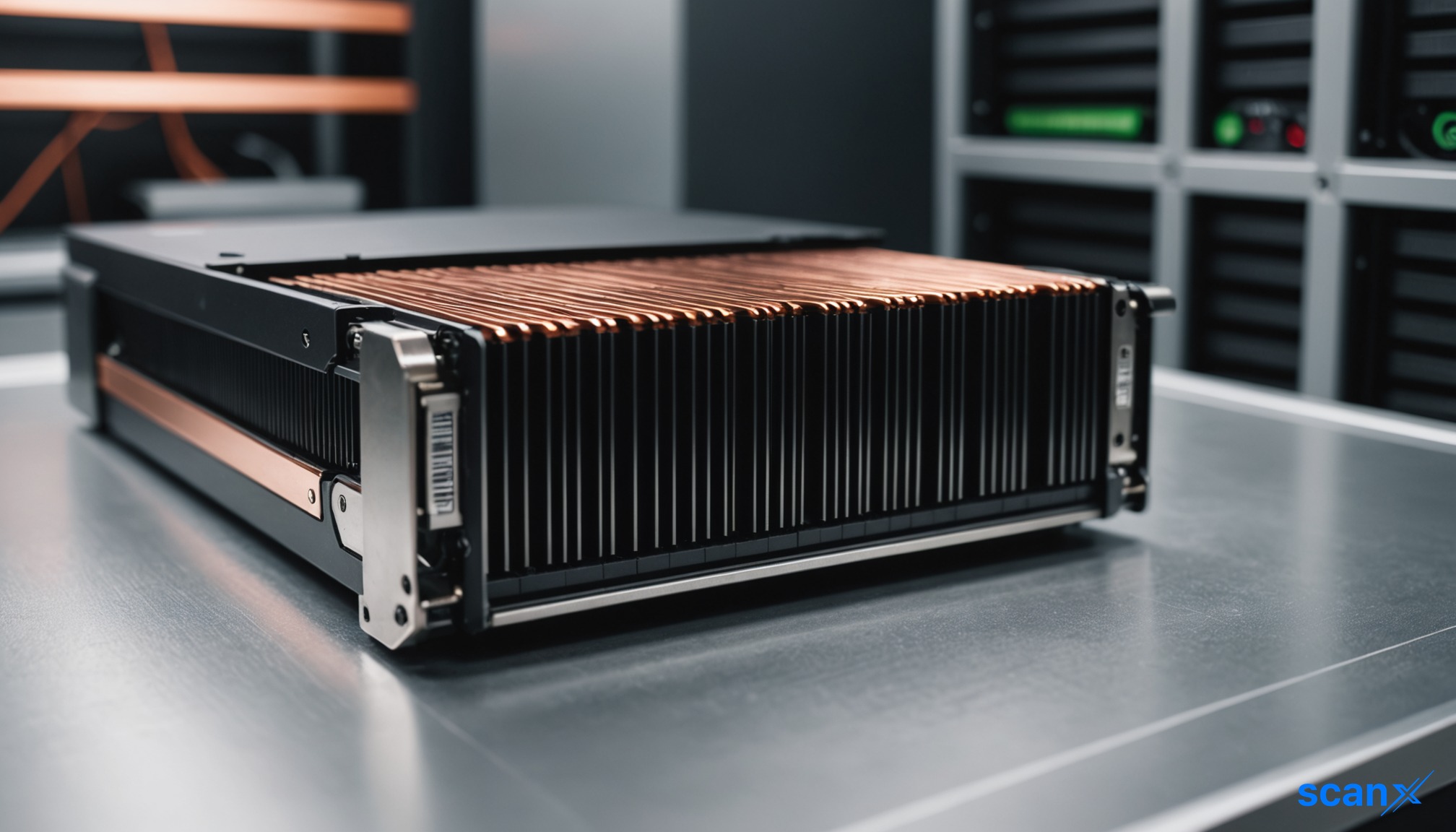
The partnership involves eight key providers operating AI factories powered by NVIDIA’s full-stack platform. These facilities are designed to deliver high-performance computing while integrating advanced cooling and networking technologies.
| Partner |
Key Initiative / Capacity |
| Firmus |
Expanding Project Southgate for hyperscale demand |
| Sharon AI |
Deploying up to 68,000 NVIDIA GPUs |
| IREN |
Developing 800-megawatt Bundey campus in South Australia |
| Megaport |
Expanding inference access via Latitude.sh subsidiary |
| ResetData |
Building sovereign infrastructure for government and enterprise |
| CDC |
Operating 550 megawatts; 800 megawatts under construction |
| NEXTDC |
Deploying liquid-cooled, high-density AI factories |
| AirTrunk |
Expanding AI-ready powered shells with direct-to-chip cooling |
Raj Mirpuri, vice president of global AI clouds and infrastructure ecosystem at NVIDIA, stated that AI factories turn energy into intelligence. He noted that the DSX platform is compatible with the CUDA ecosystem and enhances productivity through software updates over the infrastructure's life.
Sector-Specific Developments
IREN is combining its vertically integrated platform with NVIDIA’s reference architecture to bring capacity online at scale. Daniel Roberts, cofounder and co-CEO of IREN, highlighted the application of this blueprint at the Bundey campus.
CDC reported operating more than 550 megawatts of capacity across Australia and New Zealand, with an additional 800 megawatts under construction. Greg Boorer, founder and CEO of CDC, emphasized that facilities use 100% renewable electricity and zero-water advanced cooling technologies.
Sharon AI plans to deploy up to 68,000 NVIDIA GPUs connected via Quantum InfiniBand and Spectrum-X Ethernet networking. James Manning, cofounder and CEO of Sharon AI, cited Australia’s energy and connectivity as foundational for gigawatt-scale AI factories.
Application Layer Growth
Expanded capacity aims to support local development of models using NVIDIA Nemotron open models. Organizations including Heidi and Atlassian are utilizing these tools for specialized applications.
Heidi is combining Nemotron 3 Ultra models with clinical knowledge to build voice-driven AI for healthcare. Yu Liu, cofounder and chief technology officer of Heidi, noted that the platform allows post-training for complex patient histories while preserving privacy.
Atlassian is advancing Rovo’s semantic search capabilities using NVIDIA AI infrastructure. Guihong Cao, head of engineering for Rovo + AI at Atlassian, stated that the ecosystem supports supervised fine-tuning and reinforcement learning for intelligent enterprise search.
What the Numbers Show
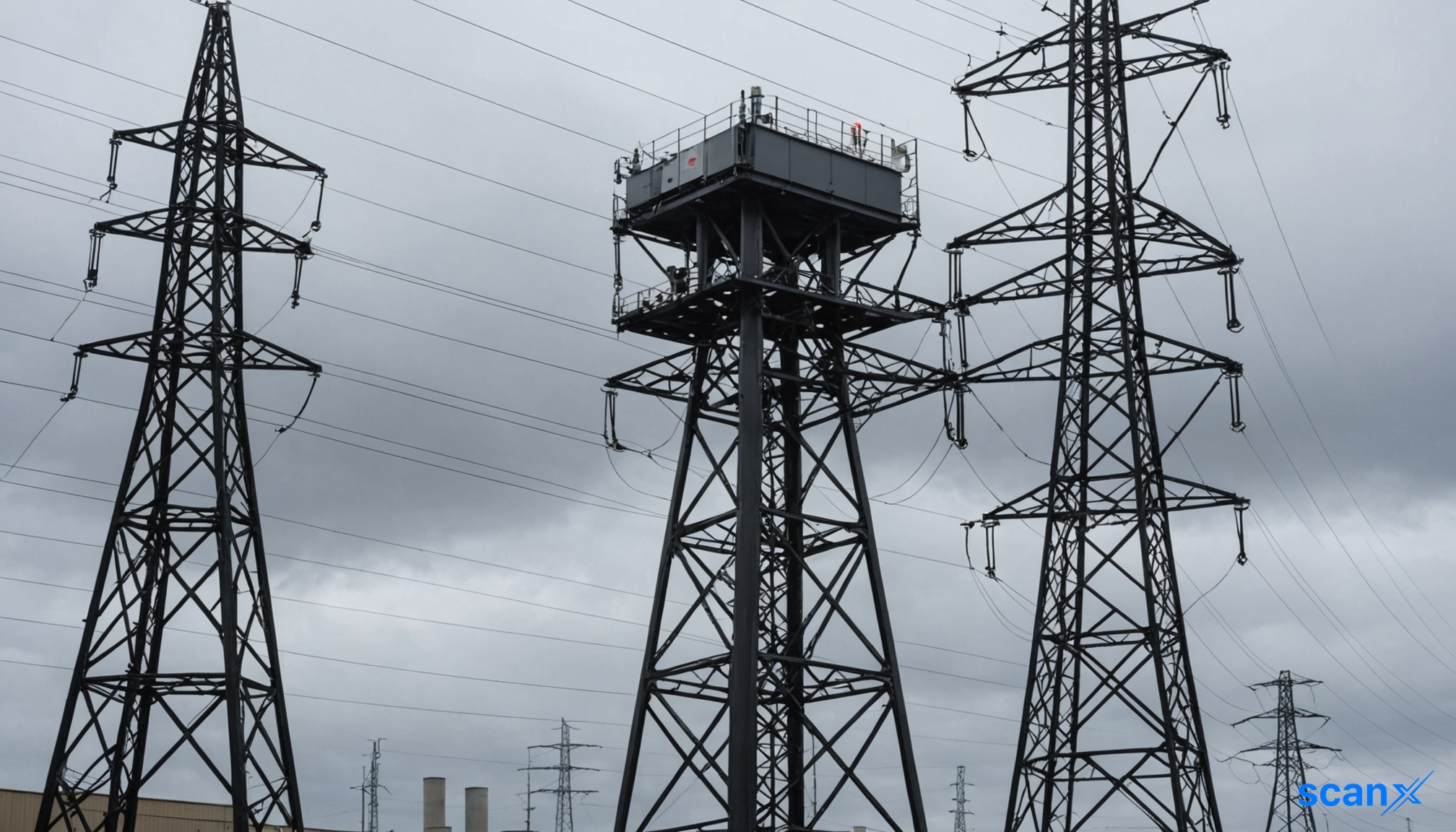
The disclosed capacity figures indicate a significant shift toward high-density, power-intensive infrastructure. With partners like CDC reporting 550 megawatts operational and 800 megawatts under construction, alongside IREN’s 800-megawatt campus project, the aggregate pipeline exceeds the stated 2-gigawatt national target when combined with other partner deployments. This suggests the 2-gigawatt figure may represent a conservative baseline or a specific subset of the broader ecosystem commitments rather than the total addressable capacity being developed by the named consortium.




 20








 Access Market Heat-map & Insights
 Create, Save & Share your Screener
 Use 200+ Screening Filters





