Nokia launches Cognitive Operations AI platform for mining and defense

scanx
Reviewed by
Ritika DScanX News Team
Key Highlights
  • Nokia launches Cognitive Operations platform for mining, public safety, and defense
  • System unifies mission-critical communications, edge computing, and operational AI
  • Cognitive Edge Node features GPU-accelerated computing and Rajant mesh networking
  • Supports on-premises and Microsoft Azure Marketplace deployments
powered bylight_fuzz_icon
50569950

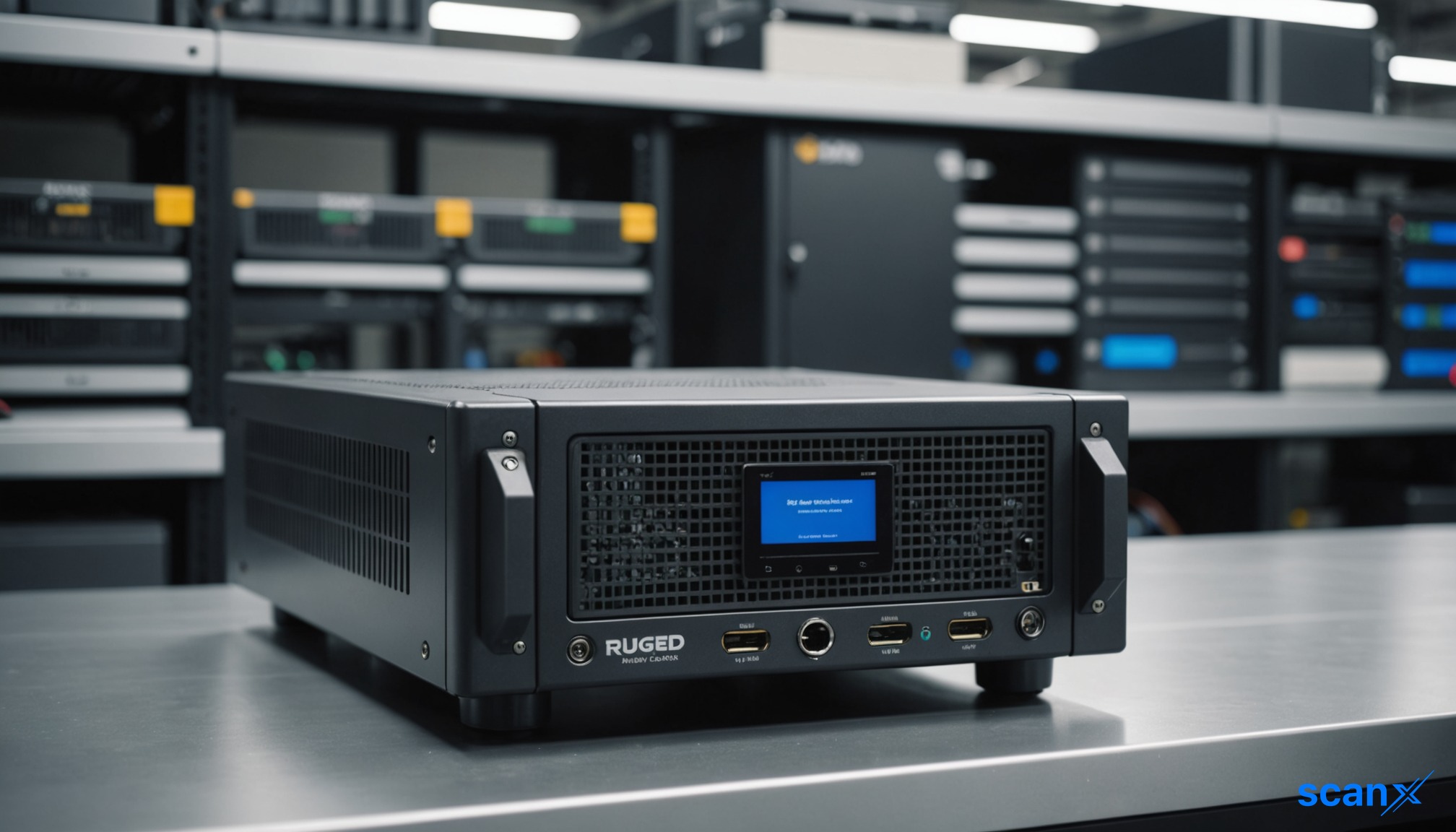
*this image is generated using AI for illustrative purposes only.

Nokia launched its Cognitive Operations platform on September 10, 2026, targeting mining, public safety, and defense sectors. The system unifies mission-critical communications with edge computing and operational AI to improve field resilience.

The platform addresses environments where operational failure is not an option by providing real-time site intelligence. It combines AI assistance, 3D digital twins, video analytics, and predictive maintenance into a single field-deployable system.

Platform Architecture

At the core of the solution is the Cognitive Edge Node (CEN), a rugged network and compute platform. It features embedded on-device GPU-accelerated computing to increase intelligence in remote locations and field-deployed vehicles.

Nokia collaborated with Rajant Corporation to integrate Rajant’s InstaMesh technology directly into the CEN. This partnership aims to combine Nokia’s AI platform strengths with Rajant’s Kinetic Mesh wireless networking for enhanced resilience.

Vertical Applications

The launch includes three specific vertical applications:

  • Mining: Available for on-premises or Microsoft Azure Marketplace deployment. It delivers resilient communications and full AI capabilities to mine operations.
  • Emergency Services: Introduces the Vehicle as a Node concept. Response vehicles self-organize into a distributed network sharing live 3D situational awareness across 5G, Wi-Fi, and satellite.
  • Defense: Extends the platform to tactical operations. Units form secure, self-organizing nodes for sensor fusion and threat detection in contested environments.

What the Numbers Show

While no financial figures were disclosed in this product launch, the strategic shift is evident in the deployment model. By offering both on-premises and cloud-hosted options via Microsoft Azure, Nokia is positioning the platform for rapid adoption across diverse infrastructure constraints, moving beyond traditional hardware-only sales cycles.

Disclaimer: This article is AI-generated using data from ViewTrade. ScanX is not liable for any inaccuracies.

How might Nokia's hybrid deployment model via Microsoft Azure impact its recurring revenue streams compared to traditional one-time hardware sales?

What are the potential cybersecurity implications of integrating Rajant's Kinetic Mesh technology into mission-critical defense and public safety networks?

Could the 'Vehicle as a Node' concept for emergency services accelerate the adoption of 5G private networks in municipal governments?

like19
dislike

Nokia opens global access to live mobile core testing environment

scanx
Reviewed by
Ritika DScanX News Team
Key Highlights
  • Nokia opens global registration for Mobile Core Early Access
  • Live hosted environment allows evaluation of advanced network software
  • Program launched in June with 30 companies, now open to all
  • Aims to shorten path from awareness to deployment in AI era
powered bylight_fuzz_icon
50397135

*this image is generated using AI for illustrative purposes only.

Nokia has opened global registration for Mobile Core Early Access, a live hosted environment designed to help telecommunication providers and enterprises evaluate advanced network connectivity software. The initiative aims to shorten the path from technology awareness to deployment in the AI era.

The program provides a practical, hands-on platform for operators to explore the latest mobile core capabilities and use cases. By offering a live, end-to-end environment that includes network functions, radios, and devices, Nokia seeks to reduce evaluation friction and uncertainty for customers planning future network investments.

Program Scope and Availability

Mobile Core Early Access is available globally to all industry participants. It launched in June with a select group of 30 companies and is now open for broader registration. The environment is regularly updated to showcase real-world 5G Core, automation, analytics, and network exposure use cases.

Participants can:

  • Explore latest mobile core capabilities as they become available.
  • Evaluate innovations in a live environment including radios and devices.
  • Gain visibility into cloud-native network functions and operational workflows.
  • Support technology planning by understanding deployment considerations early.
  • Reduce effort required to establish initial testing environments.

For participants requiring extended access or deeper integration with their own environments, Nokia offers a paid option to support advanced evaluation and validation activities.

Industry Perspective

Kal De, Senior Vice President of Core Networks at Nokia, stated that mobile innovation cycles are accelerating. He noted that operators need more than presentations to make confident technology choices, adding that the program helps move customers quickly from exploration to deployment.

Roberto Kompany, Principal Analyst at Omdia, described the program as addressing a longstanding challenge for operators: gaining practical exposure to emerging core network capabilities before making deployment decisions. He highlighted that as the industry moves toward AI-native core networks, such initiatives play an important role in accelerating technology adoption.

Disclaimer: This article is AI-generated using data from ViewTrade. ScanX is not liable for any inaccuracies.

How might the widespread adoption of Nokia's Mobile Core Early Access influence the competitive landscape among other network infrastructure vendors?

What specific regulatory or security challenges could arise as operators increasingly test AI-native core networks in live, global environments?

Could this program accelerate the transition to 6G standards by providing a testing ground for next-generation protocols before formal specifications are finalized?

like15
dislike

More News on Nokia Corporation