

Google Pauses Earth AI Image Generator Over Misinformation Fears


Google halts its AI image generator in Google Earth one day after launch due to misinformation risks. The Nano Banana 2-powered tool allowed users to create fake but realistic scenes. Alphabet shares rose 6.73% on Friday despite the pause.



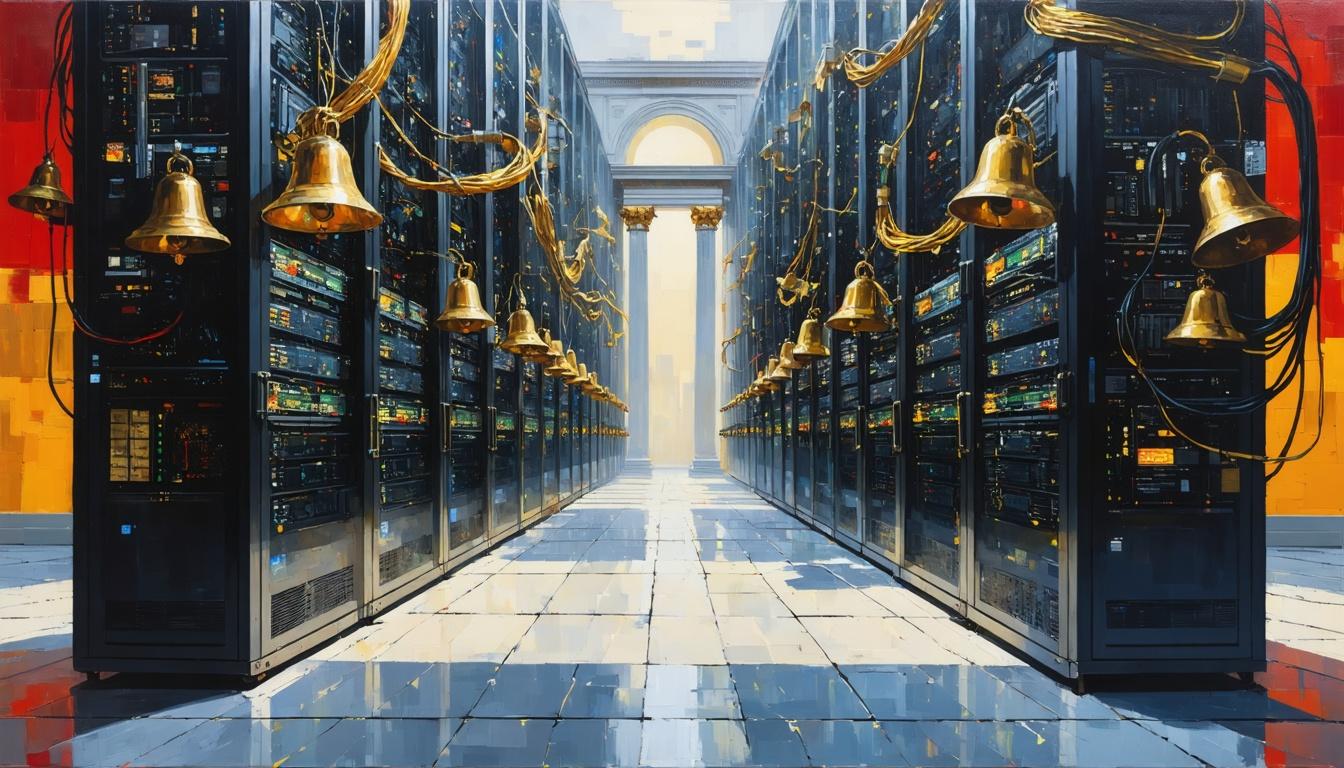
*this image is generated using AI for illustrative purposes only.
Alphabet Inc.’s Google announced on Friday that it is temporarily disabling its new AI image generator feature within Google Earth, just one day after its public launch. The move comes after users shared AI-generated images that appeared to violate the company’s content policies, raising immediate concerns about potential misuse and misinformation. Google stated it is pausing the capability while developing stronger safeguards to prevent the creation of deceptive or harmful imagery.
The feature, powered by Google’s Nano Banana 2 AI model, allowed users to create photorealistic images based on Google Earth’s satellite, aerial, and 3D imagery. By entering text prompts, users could generate altered or imagined scenes at real-world locations. While Google noted that geospatial professionals had used the tool for legitimate purposes, the company emphasized that the risk of fabricated scenes appearing authentic outweighed the benefits at this stage.
Misinformation Risks
Criticism arose because the tool could place fictional events or objects into recognizable locations, potentially misleading viewers. Although generated images were labeled as AI-created and not displayed in the main Google Earth experience, screenshots shared on social media platforms blurred the line between reality and fabrication. Google did not specify which exact images prompted the suspension or which specific policies were violated.
"We know that people uniquely trust Google Earth for a reliable view of the world," Google said in a post on X. "We’ve seen geospatial professionals using this feature for a range of useful purposes, however we’ve also seen people sharing screenshots of generated imagery that appear to violate our policies."
Industry Context
Google is not alone in facing scrutiny over AI-generated content. In July, Meta Platforms Inc. discontinued Muse Image, a tool that allowed users to generate images involving public Instagram accounts, following privacy concerns and objections from a Hollywood union. These incidents highlight the growing pressure on tech companies to balance innovation with safety and ethical considerations.
| Company | Feature | Status | Reason for Action |
|---|---|---|---|
| Alphabet Inc. | Google Earth AI Image Generator | Paused | Policy violations, misinformation fears |
| Meta Platforms Inc. | Muse Image | Discontinued | Privacy concerns, union objections |
Market Reaction
Despite the product pause, Alphabet’s stock saw positive movement. Class A shares (NASDAQ: GOOG) closed at $356.13, up 6.73%, while Class C shares (NASDAQ: GOOGL) finished at $356.65, gaining 6.88%. Both stocks edged higher in premarket trading. According to Benzinga Edge Stock Rankings, GOOGL ranks in the 87th percentile for Quality, maintaining a strong price trend over the medium and long term despite short-term underperformance.

How might Google's decision to prioritize safety over rapid deployment impact its competitive standing against other AI image generators that have not implemented similar restrictions?
What specific technical safeguards or verification protocols is Google likely to develop to distinguish AI-generated imagery from authentic satellite data before relaunching the feature?
Could this incident accelerate regulatory scrutiny or new legislation regarding the labeling and distribution of AI-generated geospatial content?
 17
17







 Create Custom Screeners
  Access 200+ Pre-built Filters
  Use 50+ Readymade Screener





