

Tata Steel Q2FY27 Results: India crude steel production up 10% YoY to 6.21 MT


- India crude steel production rose 10% YoY to 6.21 million tonnes in Q2FY27
- Domestic deliveries increased 7% YoY to 5.97 million tonnes, driven by automotive and retail segments
- Netherlands liquid steel production declined 9% YoY to 1.52 million tonnes
- UK deliveries dropped 33% YoY to 0.38 million tonnes due to pre-safeguard inventory buildup

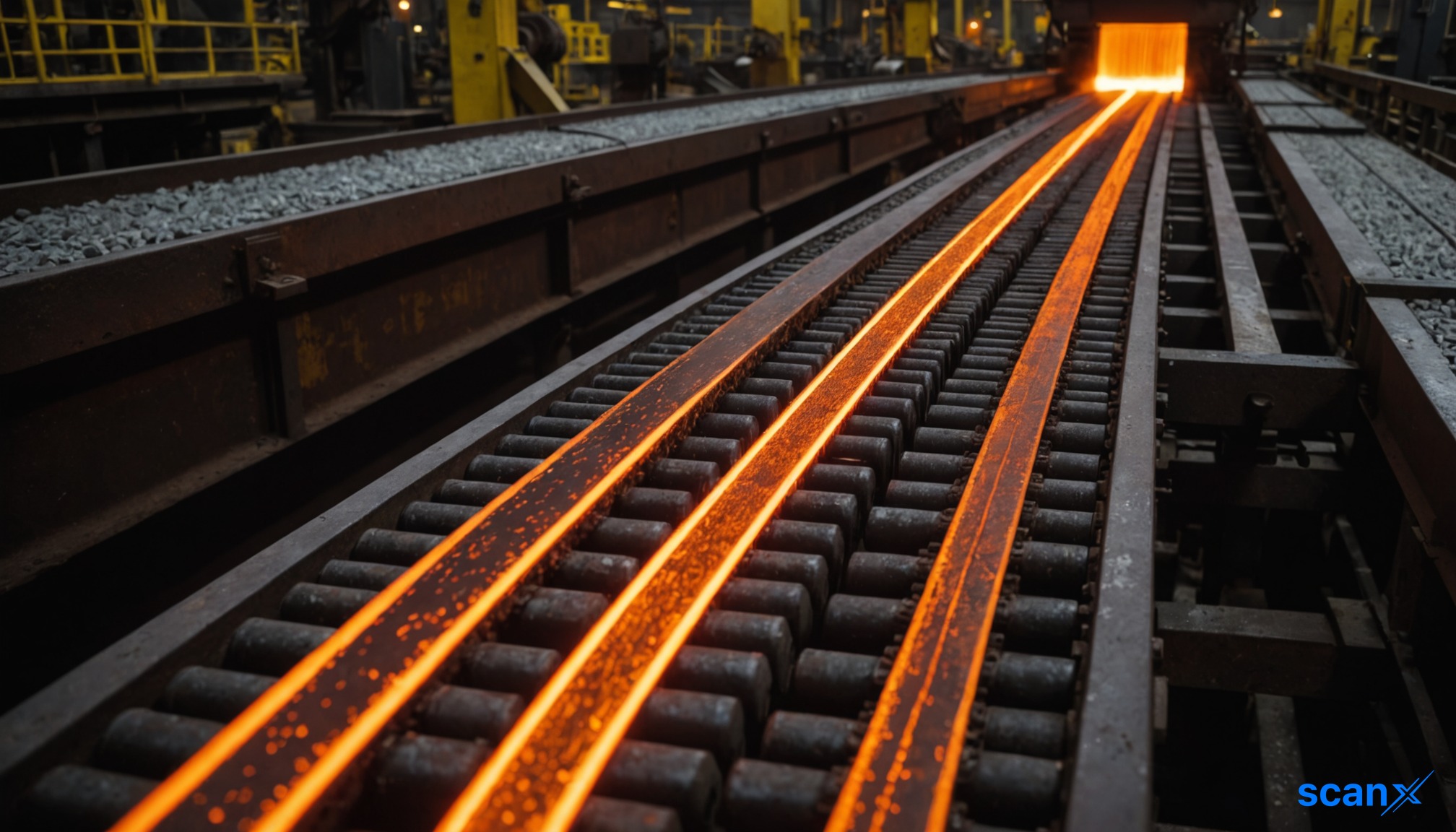

*this image is generated using AI for illustrative purposes only.
Tata Steel Limited reported a 10% year-on-year increase in India crude steel production for the second quarter of FY27, reaching 6.21 million tonnes. The growth was primarily driven by higher output at the Jamshedpur and Kalinganagar facilities.
Provisional delivery volumes in India stood at 5.97 million tonnes, marking a 7% rise YoY and a 15% increase quarter-on-quarter. The company attributed this performance to an enriched product mix and stable demand across market segments, despite seasonal rains impacting operations.
Regional Production and Delivery Trends
The group's international operations showed mixed trends compared to the domestic surge. Tata Steel Netherlands recorded liquid steel production of 1.52 million tonnes in Q2FY27, down from 1.67 million tonnes in the corresponding period last year. Deliveries from the Netherlands fell to 1.30 million tonnes from 1.54 million tonnes YoY. However, the Direct Sheet Plant restarted in August 2026 and is operating at rated capacity under the agreed framework with local regulatory authorities.
Tata Steel UK deliveries declined to 0.38 million tonnes from 0.57 million tonnes in Q2FY26. This drop was impacted by inventory buildup in the UK supply chain ahead of new safeguard measures implemented on July 1, 2026. Meanwhile, Tata Steel Thailand saw saleable steel production of 0.32 million tonnes, with deliveries marginally lower due to heavy rains in September 2026.
| Metric | Q2FY27 (Provisional) | Q2FY26 (Actual) | Change |
|---|---|---|---|
| India Crude Steel Production | 6.21 MT | 5.64 MT | +10% |
| India Deliveries | 5.97 MT | 5.55 MT | +7% |
| Netherlands Liquid Steel | 1.52 MT | 1.67 MT | -9% |
| UK Deliveries | 0.38 MT | 0.57 MT | -33% |
| Thailand Saleable Steel | 0.32 MT | 0.36 MT | -11% |
Domestic Vertical Performance
Key domestic verticals demonstrated robust growth. The Automotive & Special Products segment achieved best-ever second-quarter volumes of approximately 1.1 million tonnes, growing 19% YoY. This was supported by the ramp-up of Continuous Annealing and Galvanising lines at Kalinganagar and the Combi mill at Jamshedpur.
The Branded Products & Retail vertical recorded best-ever quarterly volumes of roughly 2.2 million tonnes. Specific brands performed strongly, with Tata Tiscon volumes up 7% QoQ and Tata Kosh galvanised products rising 25% QoQ. Additionally, gross merchandise value from e-commerce platforms, including Tata Steel Aashiyana and DigECA, reached ₹2,860 crore for the quarter, a 30% increase QoQ.
What the Numbers Show
A divergence exists between production capacity utilization and international demand. While India's crude steel production expanded 10% YoY, European operations contracted significantly, with Netherlands production down 9% and UK deliveries down 33%. This suggests that the group's volume growth is increasingly concentrated in the Indian market, offsetting softness in Western markets due to regulatory changes and supply chain adjustments.
Historical Stock Returns for Tata Steel
| 1 Day | 5 Days | 1 Month | 6 Months | 1 Year | 5 Years |
|---|---|---|---|---|---|
| -1.71% | -6.57% | -6.97% | -10.43% | +3.28% | +37.23% |

How will the full implementation of UK safeguard measures post-July 2026 impact Tata Steel's long-term export strategy and European market share?
What are the projected capital expenditure requirements for sustaining the capacity ramp-up at Kalinganagar and Jamshedpur to meet growing automotive demand?
To what extent can the rapid growth in e-commerce GMV mitigate risks associated with traditional retail channel volatility in future quarters?
 18
18







 Access 50+ Readymade Screeners
  Use 200+ Custom Filters
  Get Full Market Insights





