

Anthropic hires former Google TPU leader Salek for chip push


- Anthropic hires former Google TPU leader Amir Salek to lead custom silicon efforts
- Salek reports to Head of Compute James Bradbury to optimize infrastructure for Claude models
- Company aims to reduce dependence on Nvidia GPUs amid supply bottlenecks
- Anthropic committed over $100 billion to AWS Technologies over the next 10 years
- Developing a custom AI chip costs roughly $500 million according to industry estimates

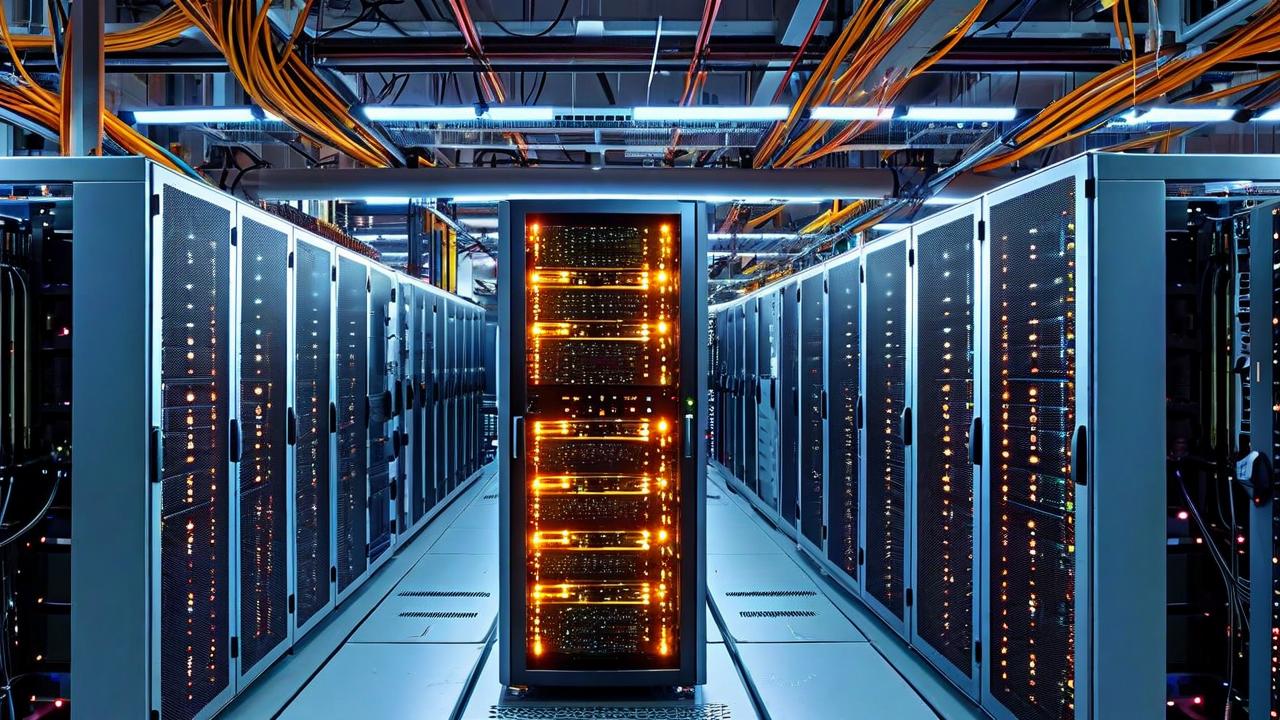

*this image is generated using AI for illustrative purposes only.
Anthropic has hired former Google TPU leader Amir Salek to lead its custom silicon efforts. The appointment marks a significant step in the AI developer's strategy to build proprietary hardware infrastructure and reduce dependence on scarce Nvidia GPUs.
Strategic Shift
The hiring signals Anthropic's move beyond software-only operations. By bringing in expertise from a major chip designer, the company aims to optimize its computing stack for large language models. Salek will report to Head of Compute James Bradbury and support the development of compute infrastructure.
Leadership Background
Prior to joining Anthropic, Salek was a senior managing director at Cerberus Capital Management. At Google, he served as senior director of engineering, delivering the first seven generations of TPU solutions to Google Data Centers. He also founded and scaled Nvidia's System-on-a-chip (SoC) organization and previously worked as a chip lead at PMC-Sierra.
Hardware Strategy
Anthropic is building out its internal chip-design team to develop custom processors for its Claude artificial intelligence models. The effort expands the company's multi-chip strategy, which includes hardware and cloud partnerships with Amazon Web Services, Google, Nvidia, and AMD.
Developing a cutting-edge AI chip can cost roughly $500 million. This expense covers recruiting specialized engineers, designing advanced architectures, and ensuring chips can be manufactured at scale without costly production failures.
Existing Partnerships
Anthropic maintains deep ties with Amazon, which has invested billions in the startup. In April, Amazon announced that Anthropic would spend more than $100 billion over the next 10 years on AWS Technologies. Additionally, Anthropic has bought $250 million worth of chips from U.K.-based Fractile and plans to expand that contract. The company has also signed capacity deals with Riot Platforms and Volta Infra Holdings Ltd.
What the Numbers Show
The financial scale of Anthropic's hardware ambitions is evident in its capital commitments. With a $100 billion commitment to AWS over a decade and a $250 million purchase from Fractile, the company is diversifying its compute sources. The $500 million cost estimate for developing a single cutting-edge AI chip highlights the significant capital allocation required for proprietary hardware, suggesting that internal chip design is a long-term infrastructure play rather than an immediate operational fix.

How might Anthropic's development of proprietary silicon impact its existing $100 billion cloud commitment to Amazon Web Services?
What are the potential supply chain risks if Anthropic attempts to manufacture custom chips alongside its reliance on Fractile and other third-party vendors?
Could Anthropic's entry into chip design trigger a broader industry trend where AI model developers vertically integrate hardware to mitigate Nvidia's market dominance?
 20
20











 Access 50+ Readymade Screeners
  Use 200+ Custom Filters
  Get Full Market Insights





