

Wonderla and Imagicaa: Revenue Models and Business Economics of Indian Amusement Parks


Indian amusement parks like Wonderla and Imagicaa operate complex business models dependent on seasonal demand patterns and high fixed costs. Revenue generation relies primarily on admission tickets supplemented by in-park spending and allied services. The industry faces structural challenges including weather dependency, substantial capital requirements of ₹400-700 crores, and consumer price sensitivity that limits pricing flexibility. Wonderla's conservative approach contrasts with Imagicaa's ambitious destination model, demonstrating different strategic paths in this capital-intensive sector.

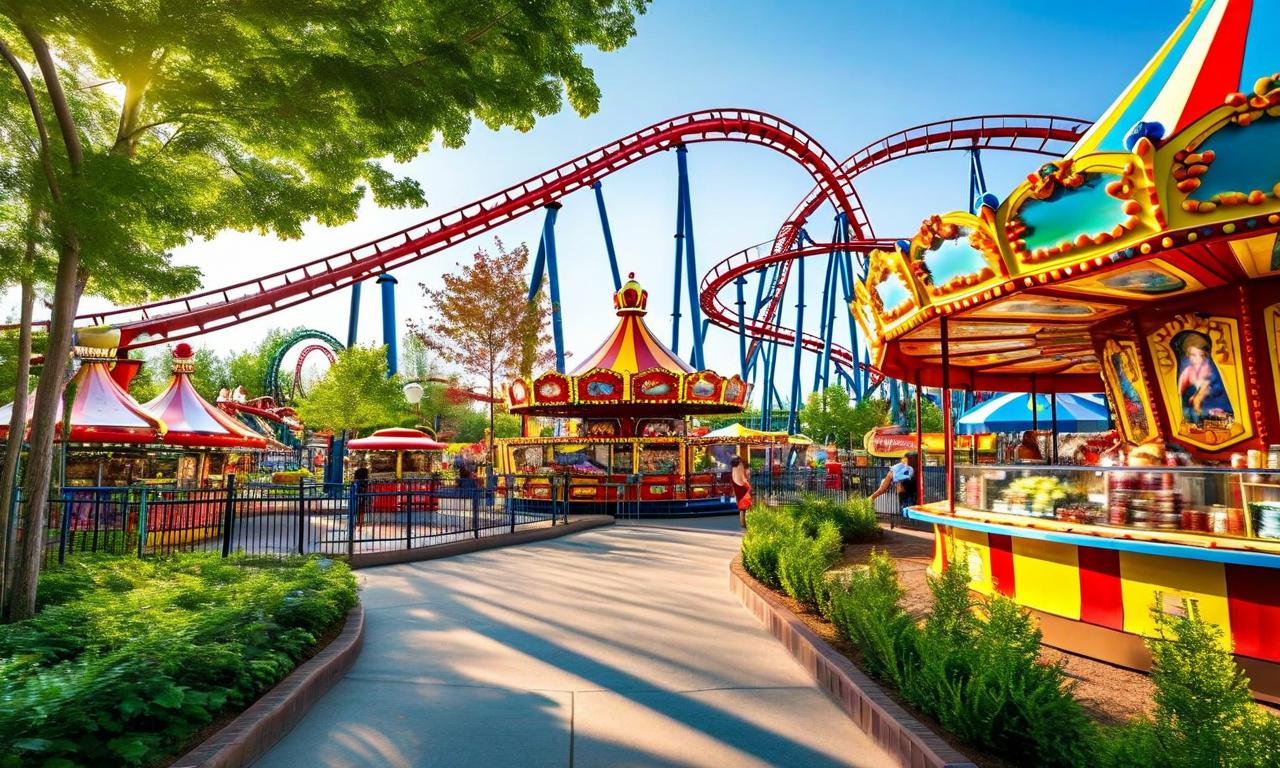

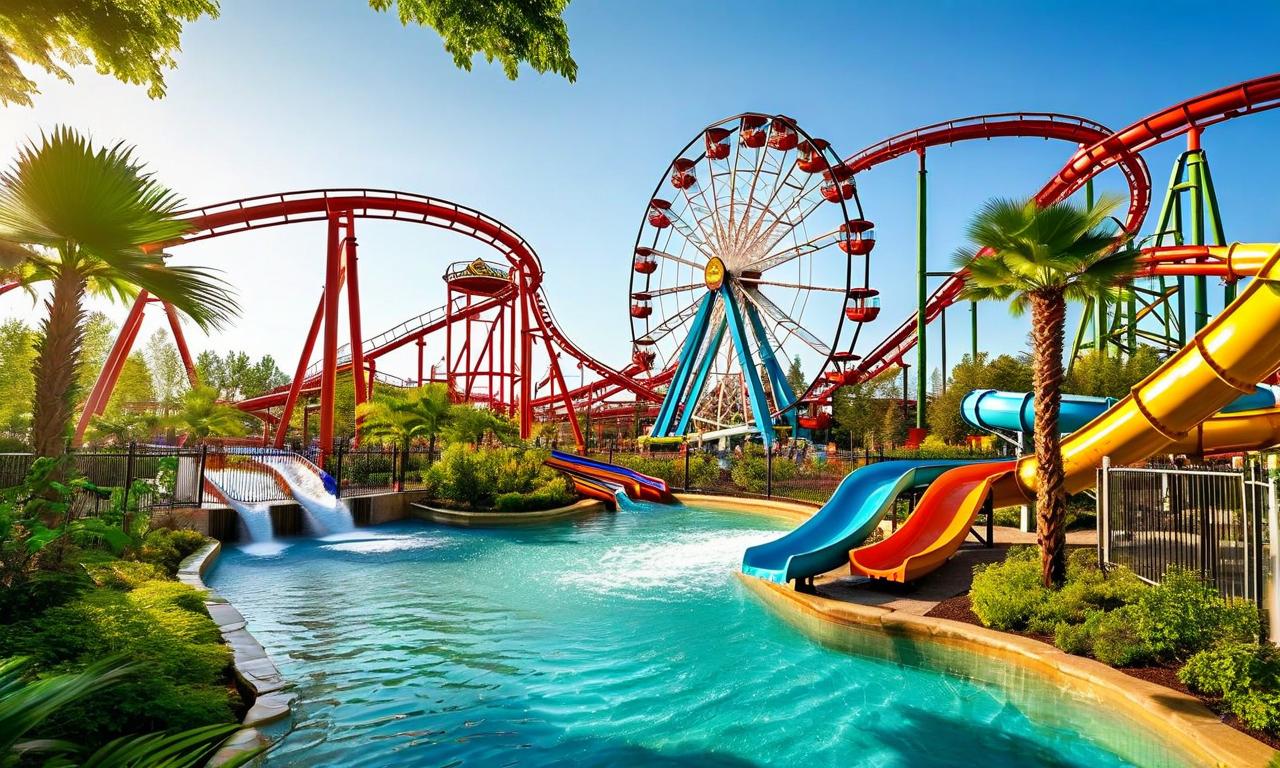
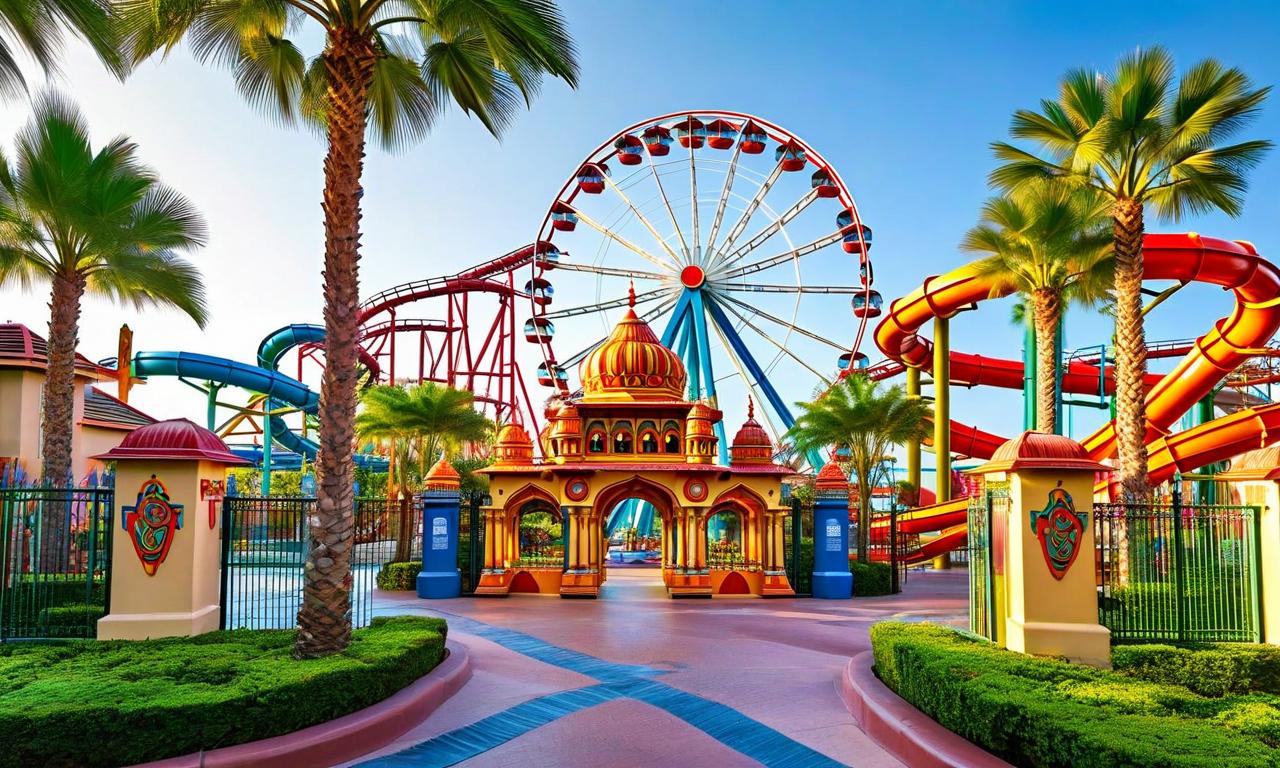
*this image is generated using AI for illustrative purposes only.
Indian amusement parks represent a complex business model where entertainment meets challenging economics. Behind the colorful facades and thrilling rides lies an industry grappling with substantial capital requirements, seasonal volatility, and price-conscious consumers. Understanding how companies like Wonderla Holidays and Imagicaa navigate these challenges reveals the intricate balance between providing entertainment and maintaining profitability.
Seasonal Demand Drives Revenue Patterns
Amusement parks in India experience significant seasonal variations that directly impact their revenue streams. The business operates on predictable cycles tied to weather patterns and school calendars. Summer vacations from April to June typically represent the strongest revenue period, coinciding with school holidays when families actively seek day-long entertainment options.
The monsoon season presents the most significant operational challenge, as heavy rainfall forces ride closures and discourages visitor attendance. This weather dependency creates uneven quarterly performance, with Q1 usually delivering the strongest results, Q2 experiencing weakness due to monsoons, and Q3 showing moderate recovery during festival seasons.
| Season | Impact on Operations | Revenue Performance |
|---|---|---|
| Summer (Apr-Jun) | Peak operations | Strongest quarter |
| Monsoon (Jul-Sep) | Limited operations | Weakest performance |
| Festival Season | Moderate activity | Steady recovery |
Water parks serve as a crucial buffer against this volatility, often becoming the primary attraction when weather disrupts dry rides. Many operators position water attractions as centerpiece offerings rather than supplementary features to mitigate seasonal risks.
Capital-Intensive Infrastructure Requirements
Establishing an amusement park requires substantial upfront investment, typically ranging from ₹400-700 crores before opening. The development process begins with securing large land parcels outside city limits, followed by extensive infrastructure development including internal roads, electrical networks, water treatment facilities, and maintenance systems.
The financial recovery timeline extends significantly, often requiring 7-10 years to achieve break-even on initial capital investment. This extended payback period necessitates conservative expansion strategies and long-term planning horizons.
| Investment Component | Details |
|---|---|
| Total Project Cost | ₹400-700 crores |
| Break-even Period | 7-10 years |
| Key Infrastructure | Roads, utilities, treatment plants |
| Equipment Source | Imported from Europe, North America |
Most high-thrill attractions require importation from established manufacturers in Europe, North America, and Turkey, as India lacks large-scale domestic production capabilities for complex ride systems. This dependency on international suppliers increases both capital and ongoing maintenance costs.
Revenue Generation Through Multiple Streams
Amusement parks generate revenue through diversified channels, with admission tickets forming the primary income source. For Wonderla, approximately two-thirds of total revenue derives from ticket sales, including regular entry passes, premium weekend pricing, seasonal passes, and fast-track access options.
Secondary revenue streams contribute significantly to overall profitability:
- In-park spending: Food and beverages, merchandise, paid games, premium ride access
- Service fees: Locker rentals, parking charges, photography services
- Allied businesses: On-site hotels and resorts, corporate bookings, special events
- Partnerships: Brand sponsorships, advertising tie-ups, themed promotional events
These ancillary revenue sources help increase per-visitor spending and provide some insulation against pure ticket sale fluctuations.
Fixed Cost Structure Challenges
The amusement park business operates with predominantly fixed costs that remain constant regardless of visitor volume. Daily safety protocols require comprehensive ride testing, maintenance checks, and staff training irrespective of attendance levels. This creates significant operational challenges during low-footfall periods.
Maintenance requirements include daily safety inspections, weekly shutdown procedures, quarterly audits, and periodic manufacturer inspections. These mandatory processes exist to maintain public safety standards and preserve consumer confidence, but they limit cost flexibility during revenue downturns.
Pricing Constraints and Consumer Behavior
Indian consumers impose natural ceiling limits on amusement park pricing. A family of four typically spends ₹10,000-15,000 for a complete park experience including tickets, food, and transportation. This expenditure level competes directly with alternative entertainment options, creating pricing sensitivity that restricts revenue optimization strategies.
Unlike international theme parks that leverage intellectual property for premium pricing, Indian operators compete primarily on value proposition rather than branded experiences. The absence of universally recognized characters or storylines limits opportunities for premium pricing and extensive merchandise sales.
Contrasting Business Approaches
Wonderla and Imagicaa represent different strategic approaches within the Indian amusement park sector. Wonderla has maintained a disciplined expansion model across Kochi, Bengaluru, Hyderabad, and Bhubaneswar, combining amusement and water parks while funding growth through internal cash generation rather than external borrowing.
Imagicaa initially pursued a more ambitious destination model incorporating theme parks, water attractions, snow parks, and luxury accommodation. However, this approach encountered execution challenges due to high debt levels, premium pricing that limited casual visits, and location constraints that restricted repeat attendance.
| Approach | Wonderla | Imagicaa |
|---|---|---|
| Strategy | Conservative expansion | Destination model |
| Funding | Internal accruals | Debt-financed |
| Pricing | Value-focused | Premium positioning |
| Outcome | Steady growth | Restructuring required |
The contrasting outcomes highlight the importance of matching business models to local market conditions and consumer preferences. Success in the Indian amusement park sector requires balancing growth ambitions with financial discipline while maintaining operational excellence in a structurally challenging business environment.
Historical Stock Returns for Wonderla Holidays
| 1 Day | 5 Days | 1 Month | 6 Months | 1 Year | 5 Years |
|---|---|---|---|---|---|
| -1.04% | -3.06% | -7.82% | +1.91% | -14.83% | +105.14% |
 15
15





 Access Market Heat-map & Insights
  Create, Save & Share your Screener
  Use 200+ Screening Filters





