
 NewsReliance Industries Halts Battery Cell Manufacturing Plans After Failed Chinese Technology Deal
Reliance Industries Halts Battery Cell Manufacturing Plans After Failed Chinese Technology Deal


Reliance Industries has paused lithium-ion battery cell manufacturing plans after failing to secure technology from Chinese supplier Xiamen Hithium Energy Storage Technology Co. The company is now focusing on battery energy storage systems assembly instead. This setback affects part of Reliance's $10.00 billion green energy investment plan and reflects broader challenges in India's clean-energy supply chain development amid China's technology transfer restrictions.

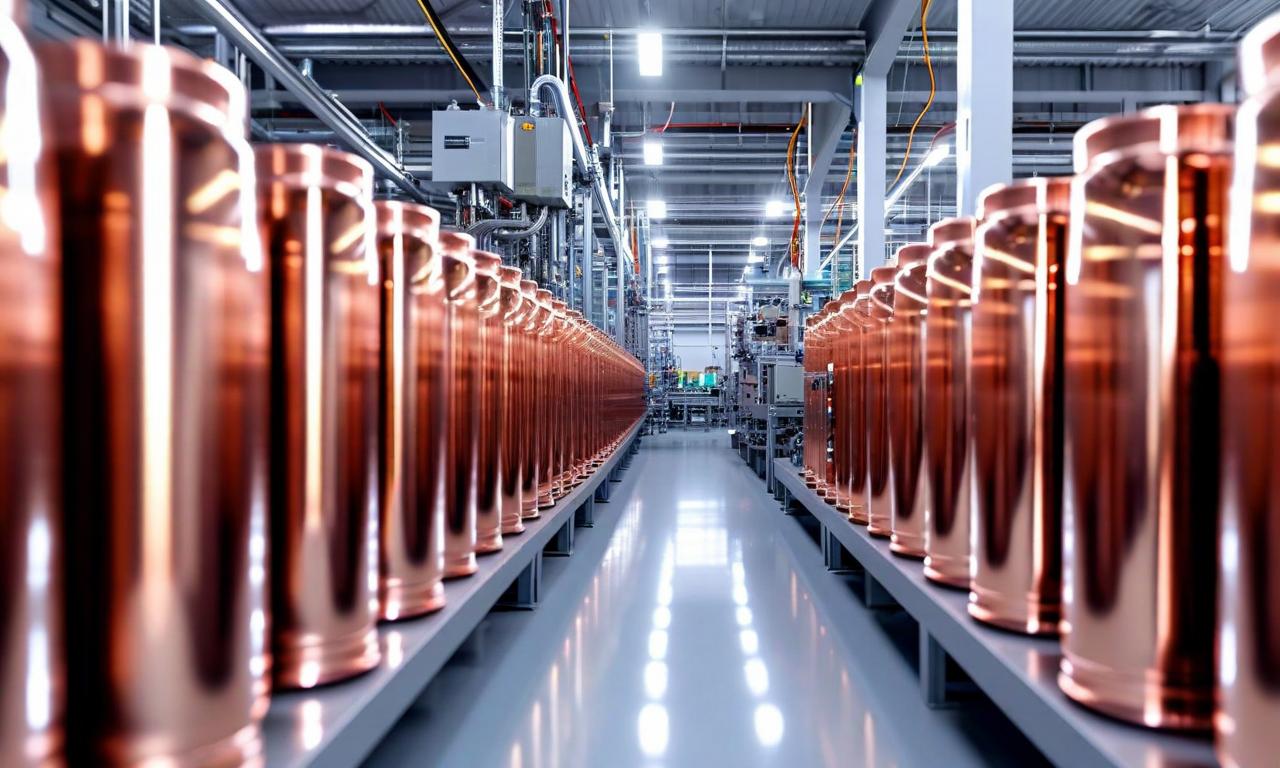

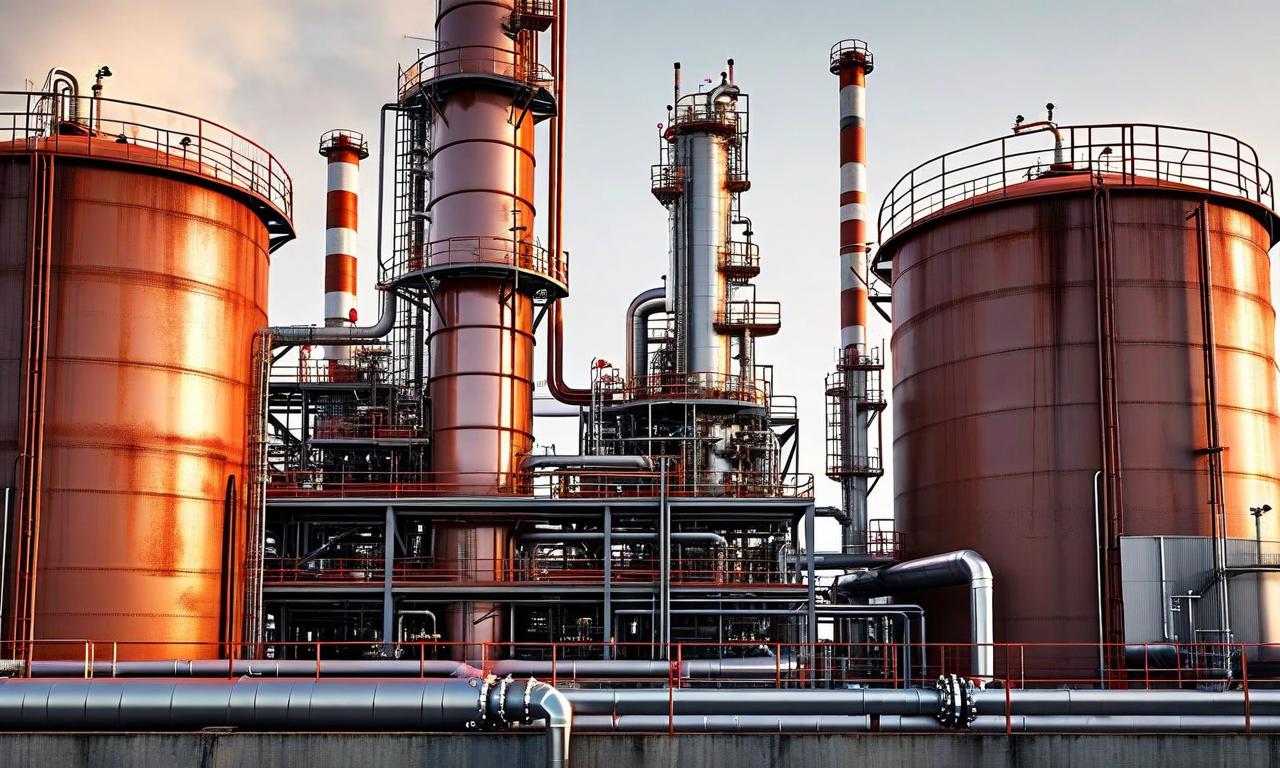
*this image is generated using AI for illustrative purposes only.
Reliance Industries Ltd. has paused its plans to manufacture lithium-ion battery cells in India after failing to secure crucial technology from a Chinese supplier, highlighting the challenges faced by Indian companies in building independent clean-energy supply chains.
Failed Technology Partnership
The Mukesh Ambani-led conglomerate had been in discussions with Chinese lithium iron phosphate supplier Xiamen Hithium Energy Storage Technology Co. to license cell technology. However, these talks stalled after the Chinese company withdrew from the proposed partnership amid Beijing's curbs on overseas technology transfers in key sectors.
| Partnership Details: | Status |
|---|---|
| Technology Partner: | Xiamen Hithium Energy Storage Technology Co. |
| Technology Type: | Lithium iron phosphate cell technology |
| Partnership Status: | Withdrawn by Chinese company |
| Reason: | Beijing's curbs on overseas technology transfers |
Strategic Pivot to Battery Storage Systems
The setback has prompted Reliance to refocus on assembling battery energy storage systems (BESS) — containers for its own renewable power projects. The company had originally aimed to begin cell manufacturing this year as part of its broader green energy ambitions.
A Reliance spokesperson clarified that there is no change in the company's overall plans, stating that "BESS manufacturing, battery pack manufacturing and cell manufacturing have always been part of our energy storage plans and we are progressing well in their execution."
Impact on Green Energy Ambitions
In August, Mukesh Ambani told shareholders that Reliance's battery gigafactory will start in 2026. The richest person in Asia had announced four gigafactories in 2021 as part of a $10.00 billion investment push to pivot away from the empire's fossil-fuel origins.
| Green Energy Timeline: | Details |
|---|---|
| Gigafactory Start: | 2026 |
| Total Investment: | $10.00 billion |
| Number of Gigafactories: | Four |
| Announcement Year: | 2021 |
Reliance's internal teams concluded that proceeding without access to proven Chinese cell technology would significantly raise costs and execution risks, particularly as global markets are already grappling with excess battery capacity. Alternative technologies from Japan, Europe and South Korea were assessed but deemed substantially more expensive and less competitive for large-scale deployment in India.
Industry-Wide Challenges
The pattern is mirrored across Indian conglomerates as they race to secure battery capacity to support rapidly expanding renewable power businesses. Adani Group and JSW Group, other powerful Indian conglomerates with ambitious clean energy plans, are also focusing on battery pack and container assembly rather than full-fledged cell manufacturing.
Government Incentive Program
In 2022, Reliance's renewable energy unit — Reliance New Energy — was one of three companies that won bids to build battery cell plants under a production-linked incentive program. The initiative offered manufacturers eligibility for as much as ₹181.00 billion ($2.00 billion) in subsidies tied to meeting project milestones aimed at creating a cumulative 30.00 gigawatt-hours of advanced chemistry cell capacity.
| Government Program Details: | Specifications |
|---|---|
| Total Subsidies Available: | ₹181.00 billion ($2.00 billion) |
| Target Capacity: | 30.00 gigawatt-hours |
| Local Value Addition (2 years): | Minimum 25.00% |
| Local Value Addition (5 years): | 50.00% |
Reliance New Energy was penalized for missing deadlines under the program, demonstrating that current policy incentives are insufficient to create local manufacturing when the world is awash in cheap Chinese batteries.
Market Outlook
By 2035, India's energy storage market is expected to reach about 87.00 gigawatts of power capacity — more than 300 times what was installed in 2024, according to BloombergNEF estimates. This massive growth potential underscores the strategic importance of developing domestic battery manufacturing capabilities.
Historical Stock Returns for Reliance Industries
| 1 Day | 5 Days | 1 Month | 6 Months | 1 Year | 5 Years |
|---|---|---|---|---|---|
| -0.56% | +2.47% | -8.38% | -7.17% | -11.91% | +4.23% |
 17
17




 Access 50+ Readymade Screeners
  Use 200+ Custom Filters
  Get Full Market Insights





