News Stocks Quick Commerce Platforms Capture Growing Share of Brand Advertising Budgets from Amazon and Flipkart
Quick Commerce Platforms Capture Growing Share of Brand Advertising Budgets from Amazon and Flipkart


Brands are significantly shifting digital advertising budgets toward quick commerce platforms, with some companies allocating up to 55% of marketing spend to Blinkit, Swiggy Instamart, and Zepto. This reallocation is driven by superior conversion rates, better return on investment, and improved sales velocity compared to traditional e-commerce channels. Quick-commerce ad spend has surged nearly 40% to approximately $700 million, with major brands like Wellbeing Nutrition, Plum Goodness, and Marico reporting stronger performance metrics from these platforms.
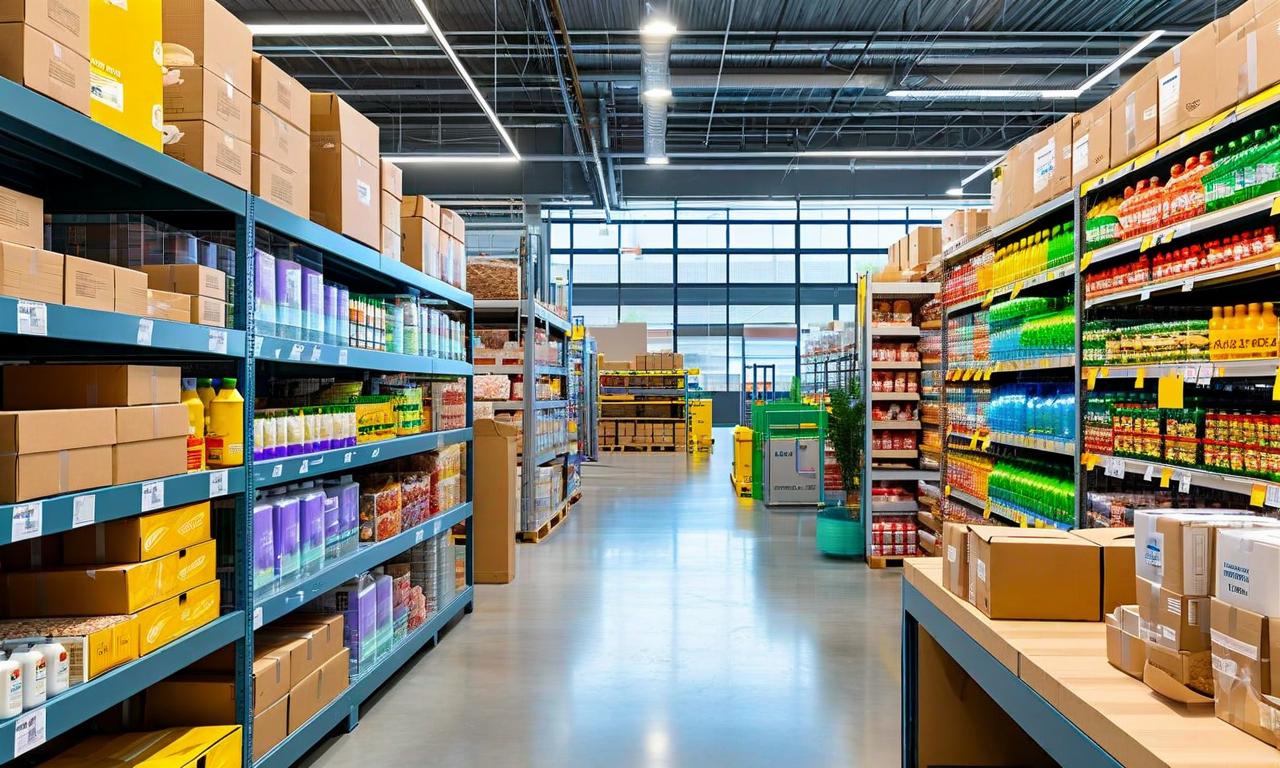

*this image is generated using AI for illustrative purposes only.
Brands across multiple sectors are dramatically reshaping their digital advertising strategies, with quick commerce platforms emerging as the preferred destination for marketing budgets previously allocated to traditional e-commerce giants. Companies spanning food, wellness, and personal care categories report allocating up to half of their digital ad spend to platforms such as Blinkit, Swiggy Instamart, and Zepto, driven by superior sales velocity and return on advertising investment.
Major Brand Budget Reallocations
Wellbeing Nutrition, the protein powder and supplements maker backed by Hindustan Unilever Limited (HUL), exemplifies this strategic shift. The company now dedicates 55% of its marketing budget to quick commerce, a substantial increase from 30% six months ago, according to founder Avnish Chhabria.
| Company Performance Metrics: | Details |
|---|---|
| Current Quick Commerce Allocation: | 55% of marketing budget |
| Previous Allocation (6 months ago): | 30% of marketing budget |
| Monthly Sales Growth: | Fivefold increase to ₹5 crore since July 2025 |
| Conversion Rate Advantage: | 10-15% higher than horizontal online platforms |
"We're tactically increasing spends on quick commerce as performance has improved meaningfully and the economics are more favourable," Chhabria explained. Wellbeing Nutrition's monthly sales have grown fivefold to ₹5 crore since July 2025, compared with the preceding six months.
Plum Goodness, a personal care brand backed by Unilever Ventures, has similarly adjusted its spending patterns based on performance metrics. Founder Shankar Prasad noted that quick commerce has been outperforming traditional e-commerce channels in recent months, leading to increased budget allocations despite intensifying competition for visibility among wellness and personal care brands.
Corporate Giants Follow Suit
Larger consumer goods companies are adopting similar strategies. Marico, parent company of Parachute and Saffola brands, reported that quick commerce contributed 3% to its India business in fiscal year 2025 (FY25). The company highlighted the channel's advantages, including faster feedback loops, shorter trend cycles, and exposure to niche, premium, and occasion-led products.
"The channel provides faster feedback loops, shorter trend cycles and exposure to niche, premium, and occasion-led ideas. This has encouraged us to move toward more agile innovations, build stronger pipelines aligned to emerging trends, and create formats suited specifically for this channel," a Marico spokesperson stated.
Dabur India's chief executive officer Mohit Malhotra announced plans to increase advertising expenditure across general and modern trade channels, including quick commerce, during the September-quarter earnings call. The company's December-quarter business update indicated that sales from e-commerce platforms, including quick commerce, are expected to grow in double digits.
Market Growth and Revenue Impact
The advertising revenue surge reflects the growing importance of quick commerce platforms in the retail media landscape. Quick-commerce ad spend has increased almost 40% to nearly $700 million, compared to about $500 million in the preceding six months, according to Siddharth Jhawar, country manager at ad-tech company Moloco.
| Market Growth Indicators: | Figures |
|---|---|
| Current Quick Commerce Ad Spend: | Nearly $700 million |
| Previous Period Ad Spend: | About $500 million |
| Growth Rate: | Nearly 40% increase |
| Three-Year Growth: | Nearly doubled |
| Retail Media Revenue (2025): | Nearly ₹25,000 crore |
Retail media generated nearly ₹25,000 crore in ad revenue in 2025, establishing itself as the fastest-growing advertising channel according to a WPP report. Quick-commerce players Blinkit, Zepto, and Instamart are scaling ad revenue at growth rates exceeding 100% year-on-year, though from smaller bases.
Superior Conversion Performance
The primary driver behind this budget reallocation is the significantly higher conversion rates achieved on quick commerce platforms compared to traditional e-commerce channels. Consumers typically arrive on these apps with high purchase intent and limited browsing time, resulting in quicker purchase decisions and immediate sales.
Chhabria noted that conversions on quick commerce platforms are at least 10-15% higher than other horizontal online commerce platforms, while offering better cost per acquisition rates. "Quick commerce is currently driving far better conversions at a cheaper cost per acquisition (CPA) rate, hence appearing to be a better return on investment," he explained.
Challenges and Market Limitations
Despite the positive performance metrics, quick commerce platforms face certain constraints. The limited audience reach compared to established marketplaces like Amazon India and Flipkart creates spending ceilings for brands. Additionally, the restricted product assortment suited for fast-moving goods limits the scope for product discovery.
"Since quick commerce has a limited audience compared to larger platforms, there's currently a ceiling on how much brands can spend on this channel. Moreover, the audience is largely needs-driven and hence scope for discovery of new products is larger on Amazon, for example," Chhabria observed.
Amazon India and Flipkart continue to dominate the retail media landscape, generating upwards of ₹14,000 crore in revenue in FY25. However, the rapid growth of quick commerce advertising suggests a fundamental shift in how brands approach digital marketing, with expectations that quick commerce ad spend share will double over the next 2-3 years as these platforms capture an increasingly larger portion of the e-commerce market.
 20
20