Numaligarh Refinery Plans Major Capacity Expansion to 180,000 BPD by End of 2026

1 min read     Updated on 27 Jan 2026, 01:11 PM
scanx
Reviewed by
Naman SScanX News Team
Overview

Numaligarh Refinery has announced plans to expand its capacity to 180,000 barrels per day by the end of 2026. This major expansion project, associated with Oil India, represents a significant investment in India's petroleum refining infrastructure and energy security capabilities, positioning the facility as a key contributor to the country's growing energy demands.

31045308

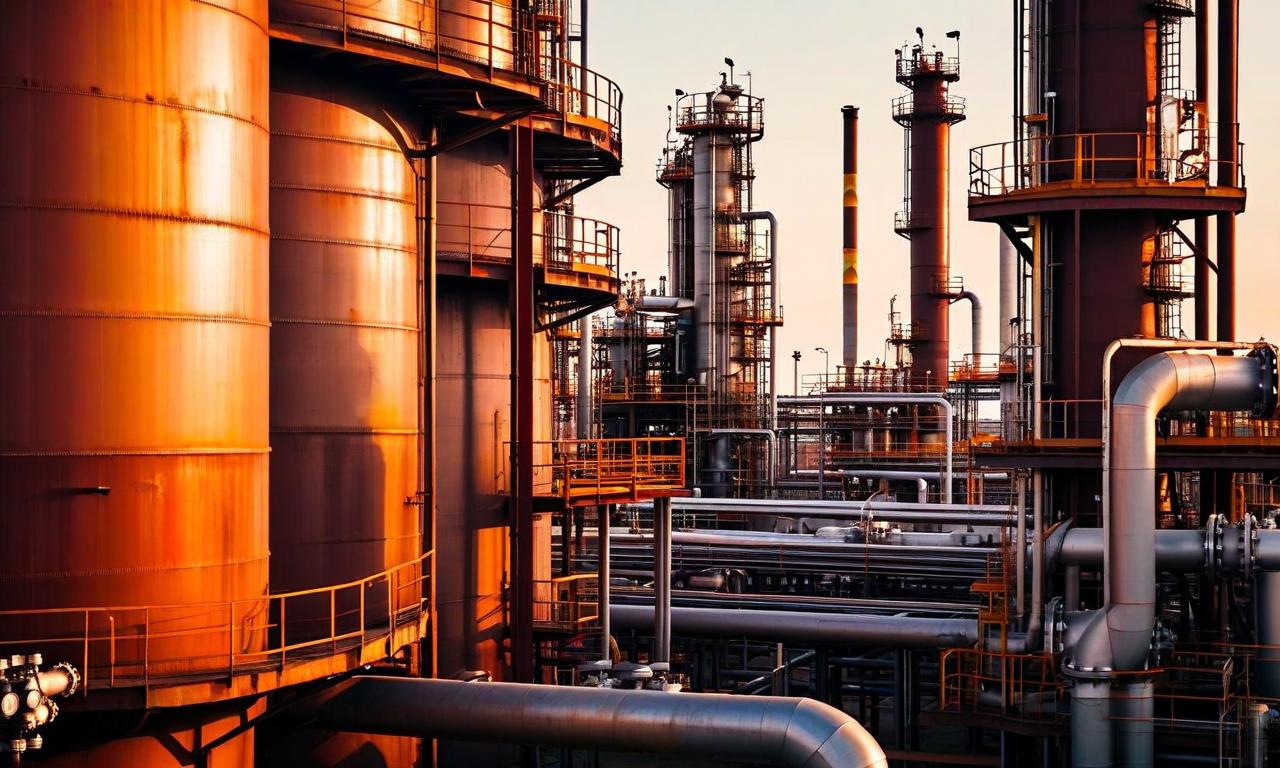
*this image is generated using AI for illustrative purposes only.

India's Numaligarh Refinery is set to achieve a major milestone with plans to expand its capacity to 180,000 barrels per day (BPD) by the end of 2026. This significant expansion project represents a substantial investment in the country's petroleum refining infrastructure and energy security capabilities.

Expansion Details

The refinery's capacity enhancement to 180,000 BPD marks a strategic development in India's energy sector. This expansion will significantly boost the facility's processing capabilities and contribute to meeting the country's growing energy demands.

Parameter: Details
Target Capacity: 180,000 BPD
Expected Completion: End of 2026
Associated Company: Oil India

Strategic Significance

The planned expansion of Numaligarh Refinery aligns with India's broader energy infrastructure development goals. Oil India 's involvement in this project underscores the strategic importance of enhancing domestic refining capabilities to support the nation's energy requirements.

Timeline and Implementation

With the target completion date set for the end of 2026, the expansion project represents a multi-year commitment to upgrading India's refining infrastructure. The 180,000 BPD capacity will position Numaligarh Refinery as a significant contributor to the country's petroleum processing sector.

This capacity expansion initiative reflects the ongoing efforts to strengthen India's energy independence and industrial capabilities in the petroleum refining domain.

Historical Stock Returns for Oil India

1 Day5 Days1 Month6 Months1 Year5 Years
+2.01%-0.94%+8.34%-1.97%-1.52%+503.30%

Russian Oil Imports to India Show Resilience Despite US Sanctions and Market Pressure

2 min read     Updated on 27 Jan 2026, 10:48 AM
scanx
Reviewed by
Anirudha BScanX News Team
Overview

India's Russian crude oil imports have stabilized at around 1.3 million barrels daily in December 2024, down from peak levels exceeding 2 million barrels per day, but showing resilience despite US sanctions and diplomatic pressure. Major Indian refiners including Reliance Industries, Indian Oil Corp., and Bharat Petroleum Corp. continue purchasing discounted Russian crude while simultaneously diversifying supply sources to include traditional Middle Eastern suppliers. Industry analysts expect India to maintain a steady baseload of Russian oil imports well into 2026, balancing economic considerations with geopolitical pressures in a globally oversupplied oil market.

31036732

*this image is generated using AI for illustrative purposes only.

India's imports of Russian crude oil have shown remarkable staying power despite intensifying US sanctions and diplomatic pressure, with industry experts now expecting significant purchases to continue well into 2026. The resilience of these trade flows highlights India's pragmatic approach to energy security amid a complex geopolitical landscape.

Russian Oil Flows Stabilize Despite Pressure

Russian crude imports to India have stabilized after months of disruption caused by US sanctions and tariffs. The flow patterns tell a compelling story of market adaptation:

Parameter: Volume
Peak Daily Imports: Over 2 million barrels
December 2024 Level: Around 1.3 million barrels daily
Expected Trend: Stable through current month

Indian Oil Minister Hardeep Puri acknowledged the challenging market environment at a high-profile energy gathering in Goa, stating that the world has "become more challenging, in spite of the fact there is no shortage of energy globally." He emphasized that market dynamics remain the determining factor for India's oil purchasing decisions.

Major Refiners Maintain Russian Crude Purchases

Despite US pressure, major Indian oil companies continue to engage with Russian suppliers. The attractive pricing of benchmark Urals crude, which has declined due to US sanctions on major producers, makes Russian purchases difficult to resist for cost-conscious refiners.

Key developments among Indian oil companies include:

  • Reliance Industries Ltd. has placed new orders for non-sanctioned Russian cargoes, marking a shift from its previously conservative approach
  • Indian Oil Corp. has expanded its spot market purchases while continuing Russian crude imports
  • Bharat Petroleum Corp. continues buying Russian oil while simultaneously seeking long-term Middle Eastern supply agreements
  • Nayara Energy Ltd., despite being sanctioned, maintains its Russian crude purchasing activities

Diversification Efforts Alongside Russian Imports

India has actively worked to rebalance its crude oil sourcing, moving away from the heavy reliance on Russian supplies that characterized much of the previous year. The country has sought to return to traditional Middle Eastern suppliers while maintaining access to discounted Russian crude.

Bharat Petroleum Corp. has issued tenders for long-term Middle Eastern crude volumes, including:

  • Abu Dhabi's Murban crude
  • Iraqi Basrah crude
  • Oman crude

According to Minister Puri, India now sources oil from 41 different suppliers, up from 27 a few years ago, reflecting the country's commitment to supply diversification.

Market Outlook and Future Considerations

Analysts expect India to maintain what Naveen Das of Kpler Ltd. describes as a "healthy baseload of Russian crude" while expanding relationships with Middle Eastern suppliers and exploring opportunities with non-sanctioned Venezuelan barrels. The approach reflects India's strategy of securing the best prices and margins for its refiners.

Several factors could influence future Russian oil import levels:

  • US-India Trade Deal: A potential trade agreement between India and the United States could prompt New Delhi to adopt a more conservative stance on Russian oil imports
  • Refining Capacity Expansion: Government forecasts indicate India's refining capacity could rise to 309.50 million tons annually by 2030 from 258 million tons currently
  • Global Market Dynamics: The current global oil oversupply provides India with substantial optionality in its purchasing decisions

As Arne Lohmann Rasmussen of A/S Global Risk Management noted, "We know that oil will always find a way," emphasizing that while US sanctions and EU bans are impacting imports, India is unlikely to completely abandon Russian oil imports. The combination of economic pragmatism and energy security considerations suggests that Russian crude will remain part of India's energy mix for the foreseeable future.

Historical Stock Returns for Oil India

1 Day5 Days1 Month6 Months1 Year5 Years
+2.01%-0.94%+8.34%-1.97%-1.52%+503.30%

More News on Oil India

1 Year Returns:-1.52%