

Nuclear Power Essential for AI-Driven Industrial Revolution, Says IT Ministry


The IT Ministry has declared nuclear power essential for India's AI-led fourth industrial revolution, citing the need for extensive data center infrastructure requiring reliable, clean energy. The ministry identified nuclear energy as the only pollution-free, sustainable power source capable of meeting AI economy demands. A strategic shift toward small and micro nuclear reactors is underway, with technology advancing from research to pilot stages, while the Shanti Bill provides the policy framework for this clean energy transition.


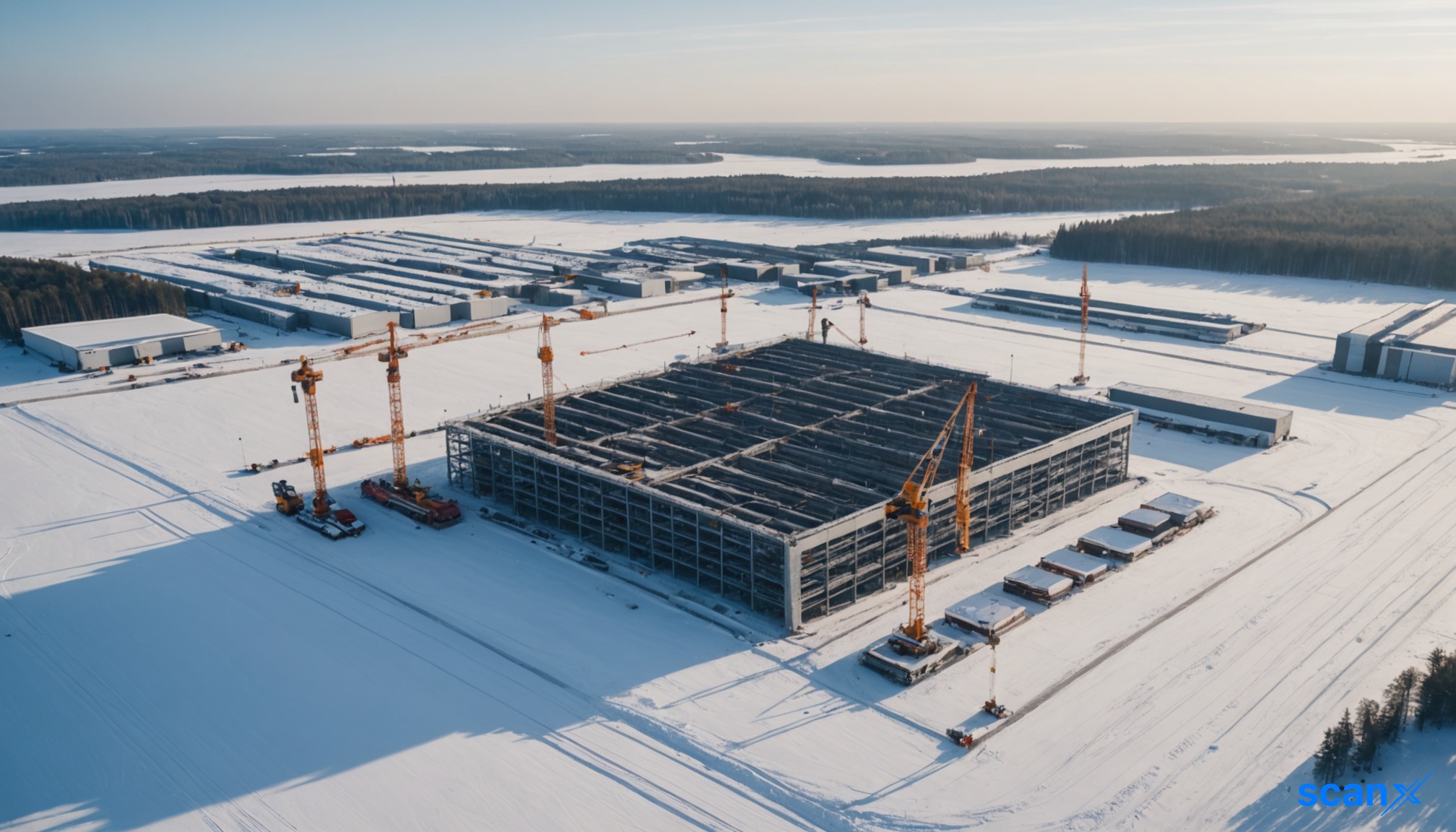
*this image is generated using AI for illustrative purposes only.
The Information Technology Ministry has identified nuclear power as the cornerstone for sustaining India's artificial intelligence-led industrial transformation, positioning the current era as the fourth industrial revolution characterized by a new industrial ecosystem. The ministry emphasized that this technological shift requires unprecedented energy infrastructure to support the growing demands of AI-driven economic growth.
Infrastructure Requirements for AI Economy
According to the ministry, an AI-driven economy necessitates large-scale infrastructure development, particularly an extensive network of data centers. Each facility requires significant and reliable power supply, making energy availability a fundamental concern for future digital expansion. The ministry stressed that such scale and consistency can only be achieved through sustainable power sources, with nuclear energy identified as the most viable solution.
Nuclear Power as Clean Energy Solution
The ministry highlighted nuclear power's unique position as the only energy source capable of providing clean, sustainable electricity without pollution. This characteristic makes it essential for supporting an AI-based economy that demands both power-intensive operations and environmental responsibility. The following factors underscore nuclear energy's advantages:
| Parameter: | Nuclear Power Benefits |
|---|---|
| Environmental Impact: | Zero pollution during operation |
| Reliability: | Consistent power generation |
| Sustainability: | Long-term clean energy source |
| Capacity: | High-density power output |
Strategic Shift Toward Flexible Nuclear Solutions
The ministry outlined a significant transition away from massive power plants toward more adaptable energy solutions. Dedicated small-to-micro nuclear plants have become increasingly feasible as reactor technology has evolved from research stages to pilot project implementation. This technological advancement addresses the specific needs of AI infrastructure, which requires substantial financial investment and prioritizes stable, efficient power supply over mere capacity expansion.
Policy Framework and Future Preparedness
The Shanti Bill was described as a crucial legislative step in preparing the country for this energy transition. The bill aims to ensure clean power availability for the next phase of economic growth, supporting the infrastructure requirements of an AI-driven industrial ecosystem. The ministry's emphasis on nuclear power reflects a strategic approach to balancing technological advancement with environmental sustainability in India's industrial development.
 18
18





 Create Custom Screeners
  Access 200+ Pre-built Filters
  Use 50+ Readymade Screener





