

Maruti Suzuki Executive Reveals Import Dependency for Parts Containing Rare Earth Magnets


A Maruti Suzuki executive has stated that the company is compelled to import automotive parts containing rare earth magnets as minor components. This reveals the automaker's dependency on international suppliers for specialized components and highlights supply chain challenges in the Indian automotive sector regarding advanced materials sourcing.


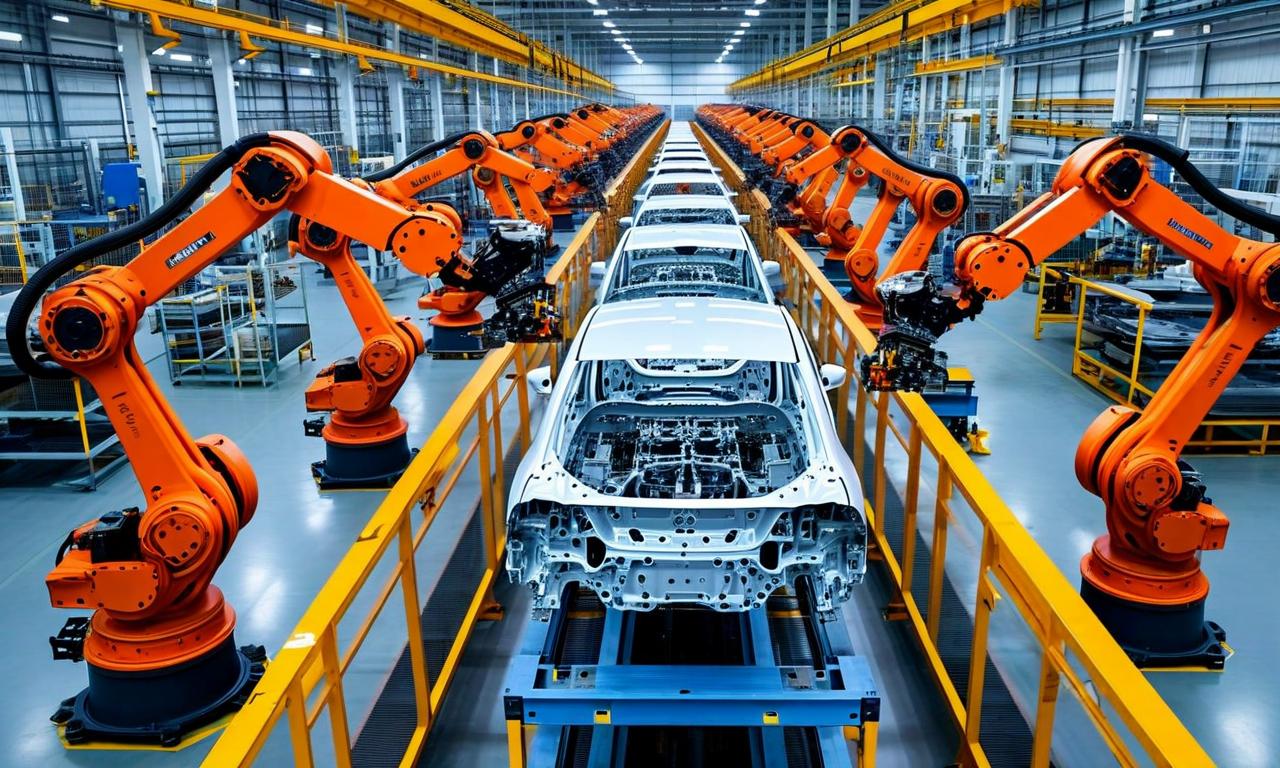
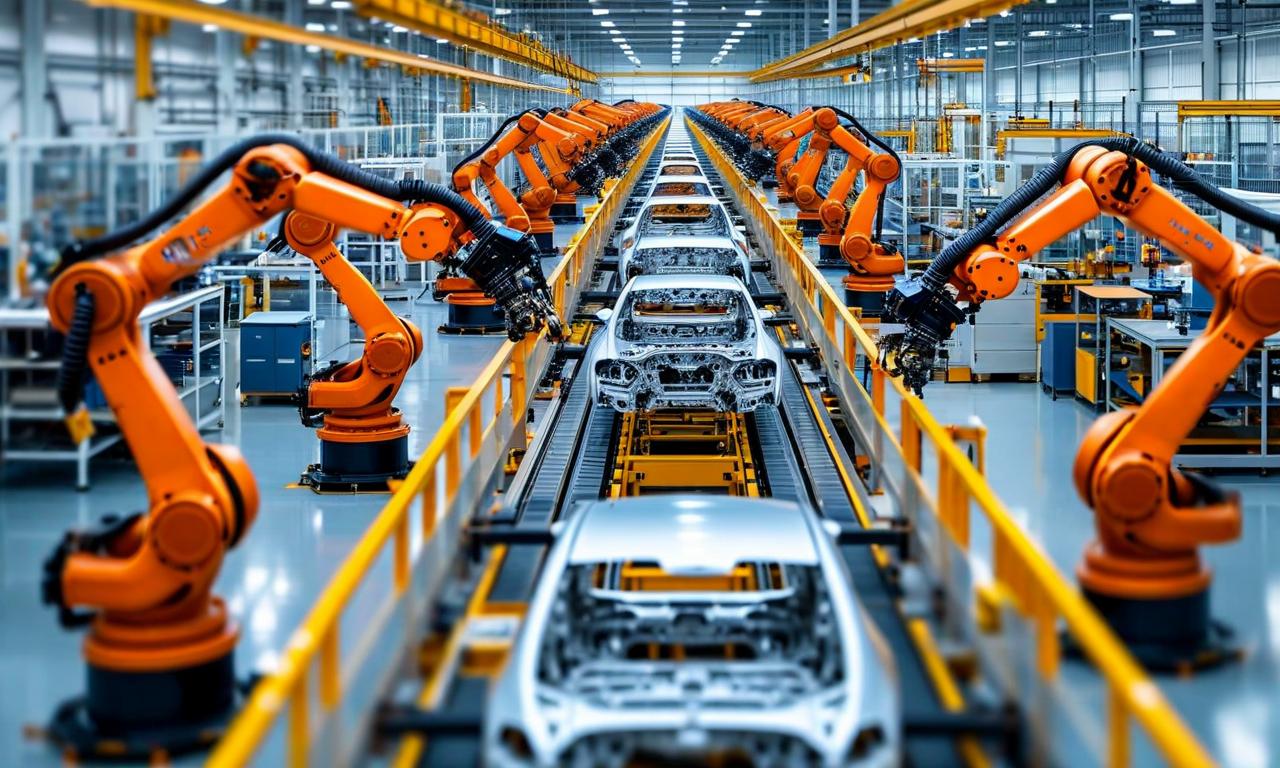
*this image is generated using AI for illustrative purposes only.
Maruti Suzuki finds itself dependent on imports for certain automotive components that incorporate rare earth magnets, according to a recent statement from a company executive. This disclosure sheds light on the supply chain challenges facing India's largest passenger vehicle manufacturer.
Import Dependency for Specialized Components
The executive's statement reveals that the company has no alternative but to source specific parts from international suppliers. These components contain rare earth magnets as minor elements, indicating their specialized nature and the technical complexity involved in their manufacturing.
Rare Earth Materials in Automotive Applications
Rare earth magnets play crucial roles in modern automotive systems, particularly in electric motors, sensors, and various electronic components. The company's reliance on imported parts containing these materials reflects the broader challenges faced by the Indian automotive industry in developing domestic capabilities for advanced materials and components.
Supply Chain Implications
This import dependency highlights the automotive sector's reliance on global supply chains for critical components. The executive's acknowledgment of being "compelled" to import suggests limited domestic alternatives for these specialized parts, pointing to potential areas for future investment in local manufacturing capabilities.
The disclosure provides insight into the complex supply chain requirements of modern automotive manufacturing, where even minor components can involve sophisticated materials that require specialized production capabilities.
Historical Stock Returns for Maruti Suzuki
| 1 Day | 5 Days | 1 Month | 6 Months | 1 Year | 5 Years |
|---|---|---|---|---|---|
| +1.71% | +0.30% | -9.66% | -16.04% | -28.68% | +53.70% |
 19
19






 Access 50+ Readymade Screeners
  Use 200+ Custom Filters
  Get Full Market Insights





