

Maruti Suzuki Discusses EBIT Margin Factors Amid Operating Leverage and Cost Challenges


Maruti Suzuki discussed factors affecting EBIT margins without providing future guidance. The company noted positive drivers including operating leverage, lower discounts, and better product mix, while acknowledging challenges from raw material costs and currency exchange fluctuations.


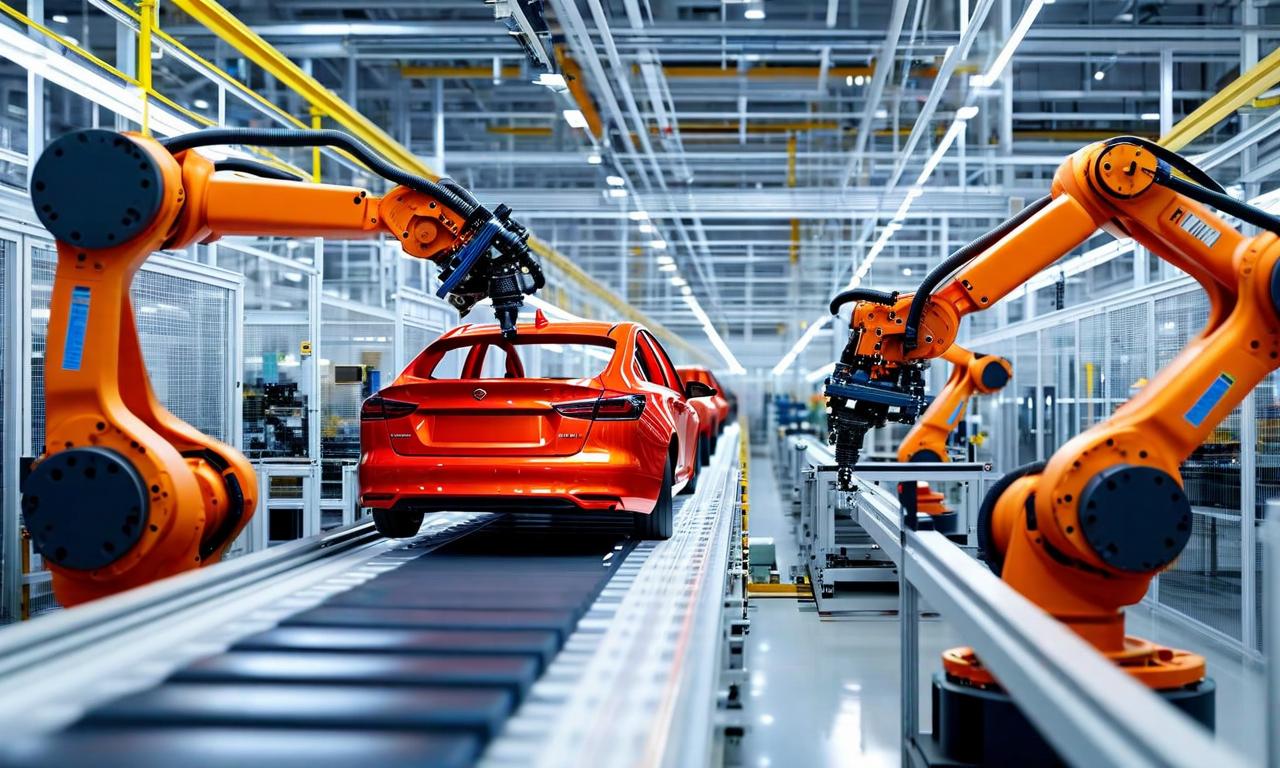
*this image is generated using AI for illustrative purposes only.
Maruti Suzuki has shared insights into various factors influencing its EBIT margins while refraining from providing specific future margin outlook guidance. The company's management discussed both positive drivers and potential headwinds affecting operational profitability.
Positive Margin Drivers
The automaker identified several favorable factors that could support margin performance:
| Factor | Impact |
|---|---|
| Operating Leverage | Improved efficiency from scale benefits |
| Lower Discounts | Reduced promotional spending |
| Better Product Mix | Enhanced revenue quality |
Cost Pressures and Challenges
Maruti Suzuki also acknowledged significant challenges that could pressure margins. Raw material costs remain a key concern for the automotive manufacturer, reflecting broader inflationary pressures in the supply chain. Additionally, currency exchange rate fluctuations present ongoing volatility risks that could impact the company's cost structure and profitability.
Strategic Positioning
The company's approach of highlighting multiple margin factors without providing specific guidance reflects a cautious stance amid market uncertainties. The balance between positive operational improvements and external cost pressures demonstrates the complex environment facing automotive manufacturers in the current market conditions.
Historical Stock Returns for Maruti Suzuki
| 1 Day | 5 Days | 1 Month | 6 Months | 1 Year | 5 Years |
|---|---|---|---|---|---|
| +1.71% | +0.30% | -9.66% | -16.04% | -28.68% | +53.70% |
 19
19










 Create Custom Screeners
  Access 200+ Pre-built Filters
  Use 50+ Readymade Screener





