

Lenskart Deploys AI-Enabled Eye Testing Across 500+ Stores to Address Optometrist Shortage


Lenskart has deployed AI-enabled remote eye-testing across 500+ stores to address optometrist shortages, achieving 9.3 million tests in H1 FY26 with 47% YoY growth. The centralized model reduces wait times from 19.5 to 15.8 minutes while enabling scalable expansion. However, health experts raise concerns about clinical implications and the shift from traditional preventive care approaches.


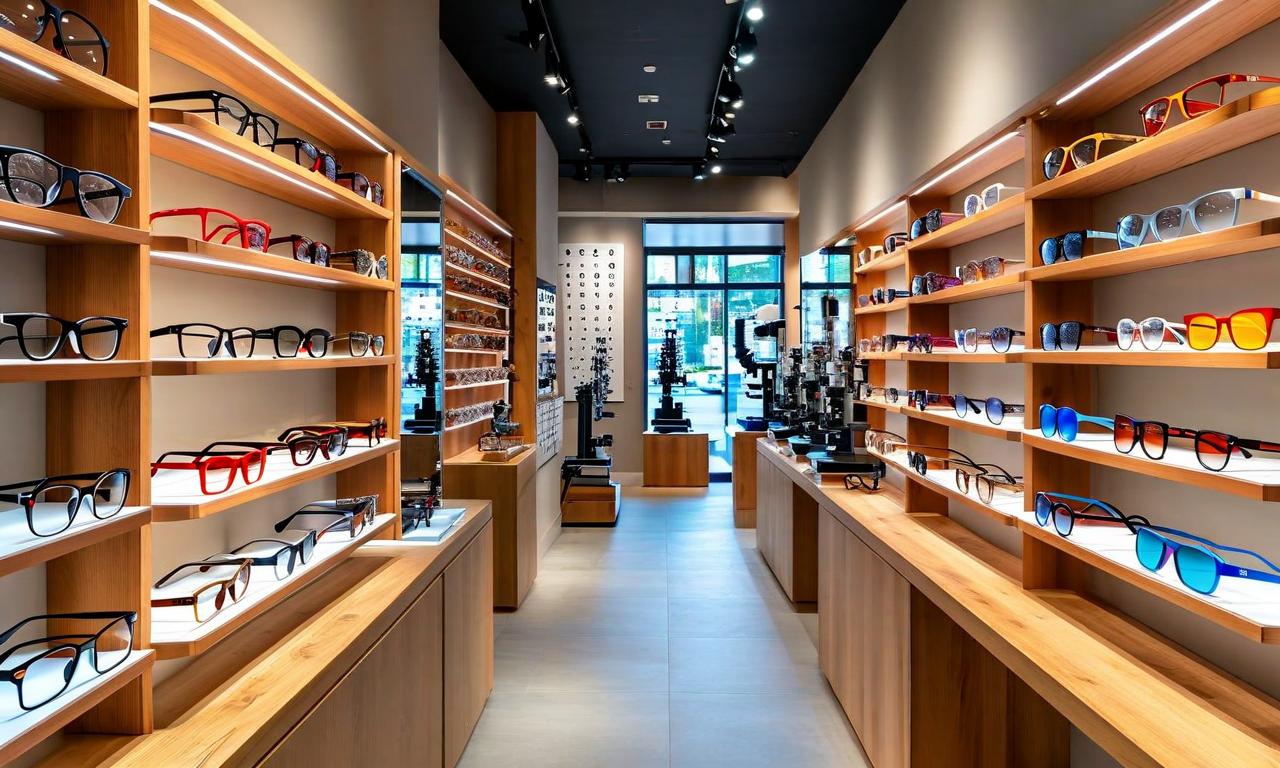
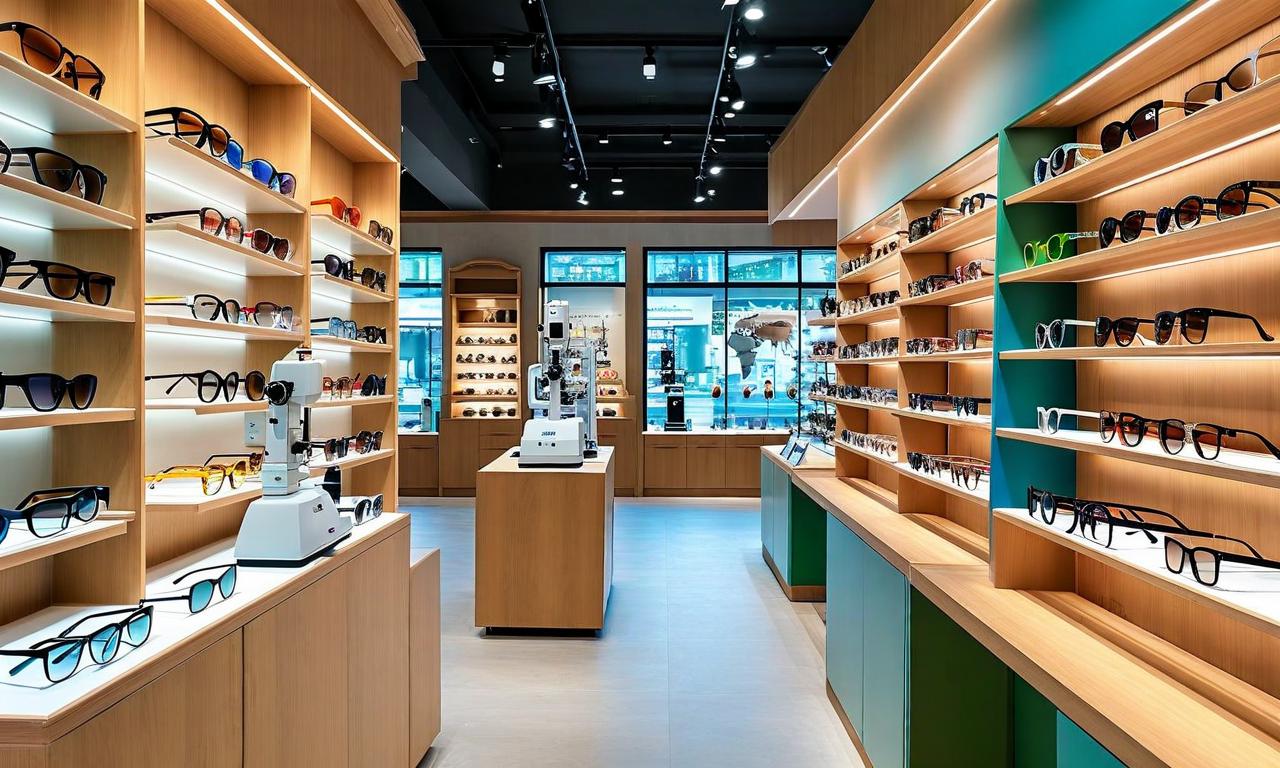
*this image is generated using AI for illustrative purposes only.
Lenskart Solutions has implemented AI-enabled remote eye-testing technology across more than 500 stores as a strategic response to the persistent shortage of qualified optometrists across its markets in India, South-East Asia, and West Asia. The recently-listed company has repeatedly flagged the limited availability of qualified optometrists as a key operational risk in its regulatory filings.
AI-Powered Remote Testing Model
The company has deployed a centralized remote testing system where optometrists connect to stores through video links and proprietary AI-enabled diagnostic equipment. This model allows optometrists to effectively "teleport" into stores across the country, enabling a single optometrist to conduct significantly more eye tests than traditional store-bound setups.
| Testing Model: | Details |
|---|---|
| Store Coverage: | 500+ stores |
| Average Wait Time Reduction: | 19.5 minutes to 15.8 minutes |
| Home Test Completion: | Within 60 minutes in major cities |
| Operational Focus: | High-volume locations use remote testing |
According to company operations personnel, high-volume or clinically complex locations may continue to have on-site optometrists, but newer or lower-volume stores are increasingly designed around remote-testing from day one. The company expects remote and self-optometry to become the default foundational layer of eyecare delivery as it expands into underpenetrated markets.
Significant Volume Growth
The implementation has delivered substantial results in testing volumes. In the first half of FY26, Lenskart conducted 9.3 million eye tests in India, surpassing the total for the entire FY24. Eye test volumes grew 47% year-on-year, driven largely by the remote-testing capability.
| Performance Metric: | H1 FY26 | FY24 (Full Year) | Growth |
|---|---|---|---|
| Eye Tests Conducted: | 9.3 million | Less than 9.3 million | 47% YoY |
| Geographic Coverage: | India | India | Expanding |
The company also offers home eye tests in major cities, where routing algorithms assign the nearest available optometrist, enabling tests to be completed within 60 minutes.
Industry Comparison and Clinical Concerns
Lenskart's approach contrasts with its closest competitor, Titan Eye+, which continues to rely on traditional in-store clinical testing by optometrists. Titan Eye+ offers a "20-step zero-error" eye test performed by trained professionals.
Health experts have raised concerns about the clinical implications of AI-led retail-first models. Dr. Rajeev Prasad, secretary of the Indian Optometry Association and president of the Asia Pacific Council of Optometry, emphasizes that optometry's core value lies in preventive care, early detection, and timely referral, not merely prescribing glasses. The eye allows specialists to directly observe blood vessels and flag early signs of conditions such as diabetes or thyroid disorders.
Market Dynamics and Workforce Challenges
The optometry sector faces significant workforce challenges despite producing an estimated 6,000-7,000 bachelor-level optometrists annually. Many qualified professionals report unemployment or underemployment, with the gap driven by low compensation levels.
| Workforce Parameters: | Details |
|---|---|
| Annual Optometrist Production: | 6,000-7,000 bachelor-level |
| Typical Compensation Range: | ₹20,000.00 - ₹25,000.00 per month |
| Education Pipeline: | Fragmented (diploma to PhD levels) |
| Policy Status: | Curriculum revisions ongoing |
Three optometrists working at Lenskart stores reported being diploma holders earning between ₹20,000.00 and ₹25,000.00 per month. Industry experts note that large chains disproportionately hire diploma holders or short-course technicians, creating quality and accountability variations.
Technology and Liability Implications
Experts highlight that liability in technology-driven systems becomes more diffused. While licensed clinicians continue to bear responsibility for individual prescriptions, liability partly sits with technology architects managing data quality in AI-assisted practices. The model represents a centralization of clinical judgment with AI-enabled augmentation rather than pure automation, fundamentally changing the risk profile as scale multiplies both efficiency and consequences of potential failures.
Historical Stock Returns for Lenskart Solutions
| 1 Day | 5 Days | 1 Month | 6 Months | 1 Year | 5 Years |
|---|---|---|---|---|---|
| -3.30% | +0.31% | +8.82% | +33.76% | +69.65% | +69.65% |
 20
20












 Access 50+ Readymade Screeners
  Use 200+ Custom Filters
  Get Full Market Insights





