Indian Oil Hikes 19-Kg Commercial LPG Cylinder Price By ₹111.50

1 min read     Updated on 01 Jan 2026, 10:48 AM
scanx
Reviewed by
Riya DScanX News Team
Overview

Indian Oil Corporation increased 19-kg commercial LPG cylinder prices by ₹111.50 effective January 1, 2026, with Delhi rates rising to ₹1,691.50. Despite this sharp monthly increase, current prices remain ₹112.50 below January 2025 levels. The revision impacts restaurants and hotels' operating margins while domestic LPG prices stayed unchanged. This marks the 13th price adjustment since January 2025, reflecting ongoing monthly revisions based on market benchmarks.

28790303

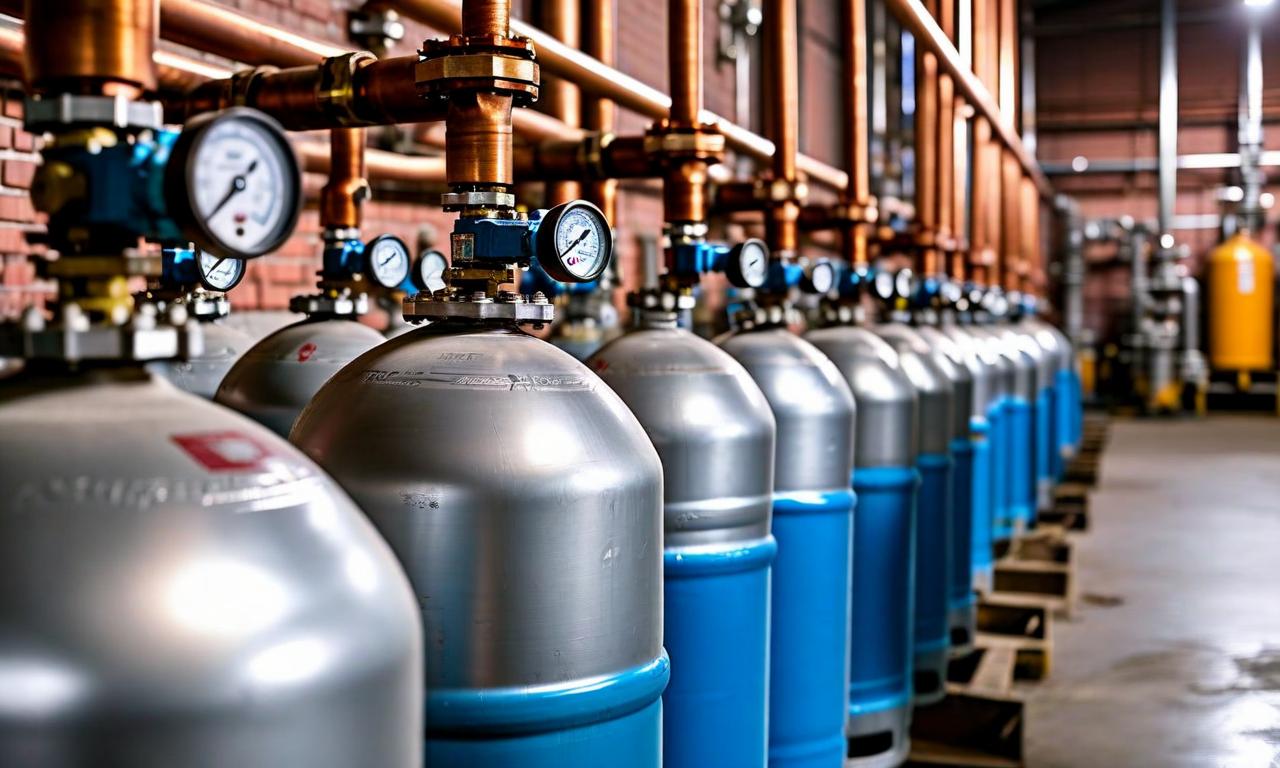
*this image is generated using AI for illustrative purposes only.

Indian Oil Corporation has announced a substantial price increase for 19-kg commercial LPG cylinders, implementing a hike of ₹111.50 per cylinder effective January 1, 2026. This revision represents the latest monthly adjustment for commercial cooking gas, significantly impacting businesses across the hospitality and food service sectors.

Metro-Wise Price Changes

The price revision has affected major metropolitan areas with varying rates across cities. The following table shows the current pricing structure for 19-kg commercial LPG cylinders:

City: New Price (₹) Previous Price (₹)
Delhi: 1,691.50 1,580.50
Kolkata: 1,795.00 -
Mumbai: 1,642.50 -
Chennai: 1,849.50 -

The sharp revision is expected to create immediate pressure on operating margins for hotels, restaurants, and small eateries, who may eventually transfer this cost burden to consumers through increased food prices.

Year-over-Year Comparison

Despite the significant monthly increase, current pricing remains below previous year levels. On January 1, 2025, the 19-kg commercial cylinder in Delhi was priced at ₹1,804.00, making the current Delhi rate ₹112.50 lower than the same period last year. This indicates that multiple downward revisions occurred throughout 2025 before today's increase.

Revision Frequency and Pattern

Indian Oil's published revision history reveals systematic monthly adjustments based on prevailing benchmarks and costs. The January 1, 2026 change marks the 13th price revision since January 1, 2025, with rates adjusting almost every month to reflect market conditions.

Impact on Different Consumer Segments

The revision specifically targets commercial users while providing some relief to other segments:

  • Commercial users: Face increased operational costs through higher LPG prices
  • Domestic consumers: Household LPG cylinder prices remained unchanged, limiting immediate impact on family budgets
  • Natural gas users: Indraprastha Gas Ltd announced a ₹0.70 reduction in piped natural gas rates for household cooking in Delhi and NCR, effective January 1, 2026

This targeted approach demonstrates a differentiated pricing strategy that shields household consumers while adjusting commercial rates to reflect market dynamics.

Historical Stock Returns for Indian Oil Corporation

1 Day5 Days1 Month6 Months1 Year5 Years
-0.35%+2.92%+2.55%+12.87%+21.60%+173.59%
Indian Oil Corporation
View in Depthredirect
like19
dislike

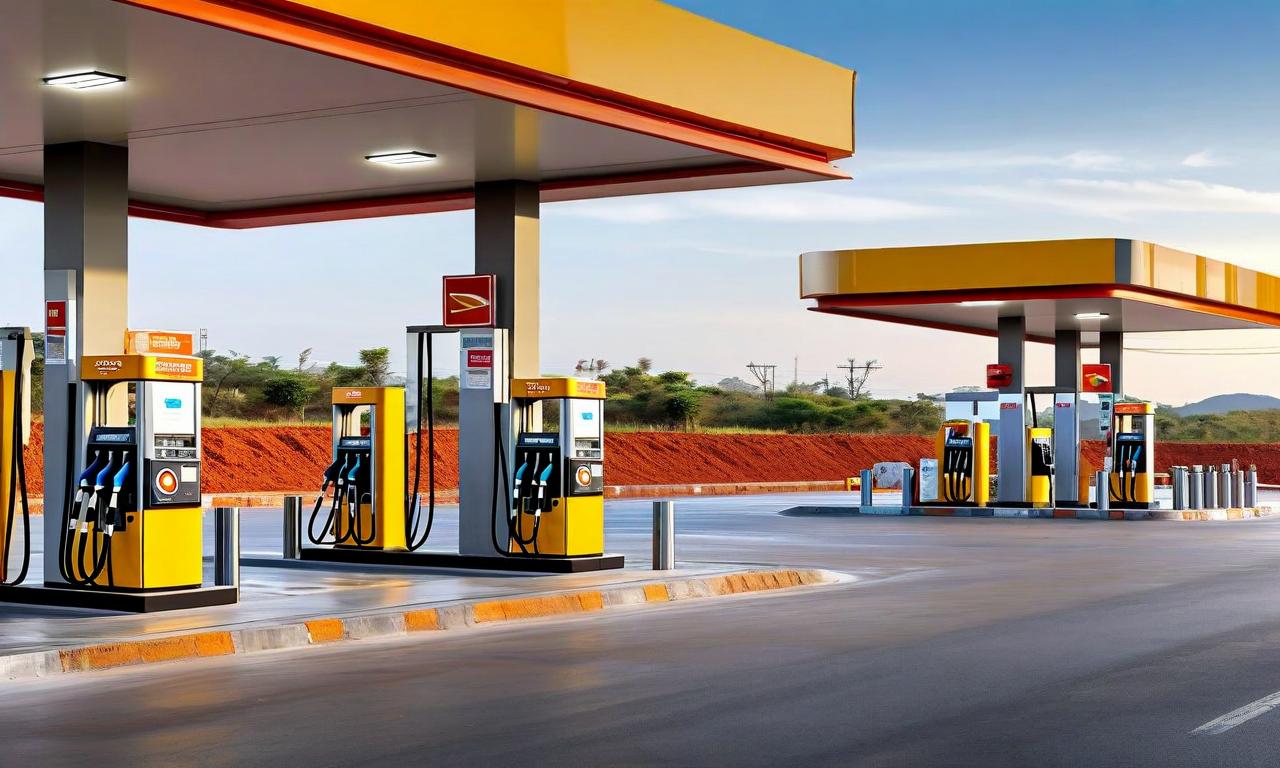
India crosses 1 lakh petrol pumps milestone, doubles since 2015 and ranks third globally

2 min read     Updated on 25 Dec 2025, 02:49 PM
scanx
Reviewed by
Suketu GScanX News Team
Overview

India's petrol pump network has crossed 100,000 outlets, reaching 100,266 by November 2024, doubling since 2015. This places India as the world's third-largest network after the US and China. State-owned retailers dominate with over 90% market share, led by Indian Oil Corporation with 41,664 outlets. Private sector participation has grown to 9.3%, with Nayara Energy leading among private retailers. The expansion has focused on rural areas, now accounting for 29% of total pumps. Modern outlets offer diverse services including alternative fuels and EV charging.

28199976

*this image is generated using AI for illustrative purposes only.

India's petrol pump network has achieved a significant milestone by crossing the 1,00,000-mark, reaching 1,00,266 outlets by the end of November 2024. This represents a remarkable doubling of infrastructure since 2015, when the country had 50,451 petrol pumps. The aggressive expansion by state-owned fuel retailers was driven by efforts to defend market share and extend fuel access deeper into rural and highway corridors amid sustained growth in vehicle ownership.

Global Ranking and Market Position

India now holds the position of world's third-largest petrol pump network, trailing only the United States and China despite their much larger geographical areas. According to data from the Petroleum Planning & Analysis Cell of the Oil Ministry, this achievement places India in an elite group of nations with extensive fuel retail infrastructure.

Country Number of Outlets Status
United States 196,643 Largest network globally
China 115,228 Second-largest network
India 100,266 Third-largest network

Market Dominance by State-Owned Companies

State-owned fuel retailers maintain overwhelming control of India's petrol pump landscape, owning over 90% of all outlets. Indian Oil Corporation leads the market with 41,664 outlets, significantly outpacing even China's largest retailer Sinopec, which operates more than 30,000 stations.

Company Number of Outlets Market Position
Indian Oil Corporation 41,664 Market leader
BPCL 24,605 Second-largest network
HPCL 24,418 Third-largest network
Nayara Energy Ltd 6,921 Largest private retailer
Reliance-BP JV 2,114 Second-largest private
Shell 346 International presence

Private Sector Growth and Challenges

Private sector participation has shown steady growth, increasing from 5.9% market share in 2015 to 9.3% currently. Russia's Rosneft-backed Nayara Energy Ltd leads private fuel retail with 6,921 outlets, followed by the Reliance Industries-BP joint venture with 2,114 stations. Shell maintains a smaller presence with 346 outlets.

Private participation in fuel retailing began in FY2004 with just 27 pumps. However, growth has been constrained by government's indirect control over pricing through majority ownership in state-owned retailing companies. Despite petrol and diesel pricing being deregulated a decade ago, state-owned retailers stopped daily price revisions in November 2021, creating periods when pump rates fell below cost and making private sector operations economically challenging.

Rural Expansion and Infrastructure Evolution

The expansion strategy has particularly focused on rural penetration, with rural outlets now accounting for 29% of total pumps, up from 22% a decade ago. This shift reflects efforts to improve fuel accessibility in previously underserved areas and capitalize on growing vehicle ownership across India.

Modern petrol pumps have evolved beyond traditional fuel dispensing, now offering:

  • Alternative fuels like CNG
  • EV charging stations
  • Traditional petrol and diesel dispensers
  • Enhanced service facilities

The infrastructure expansion comes amid challenges including reduced per-pump throughput due to market saturation, which has pushed some outlets on less busy routes into losses. Despite these challenges, the doubling of India's petrol pump network represents a significant achievement in fuel retail infrastructure development.

Historical Stock Returns for Indian Oil Corporation

1 Day5 Days1 Month6 Months1 Year5 Years
-0.35%+2.92%+2.55%+12.87%+21.60%+173.59%
Indian Oil Corporation
View in Depthredirect
like20
dislike
More News on Indian Oil Corporation
Explore Other Articles
165.88
-0.58
(-0.35%)