

Indian Banks Plan Deployment of 17,350 ATMs with Strong Focus on Cash Recycling Technology


Indian banks are planning aggressive ATM deployment with RFPs for 17,350 machines over six months to Q1 FY27, led by major state-run banks. The strategy emphasizes cash recyclers (75% of installations) over conventional ATMs to improve efficiency and reduce costs. This expansion follows 2025 market disruption from AGS Transact's collapse, accelerating technology adoption and vendor migration.

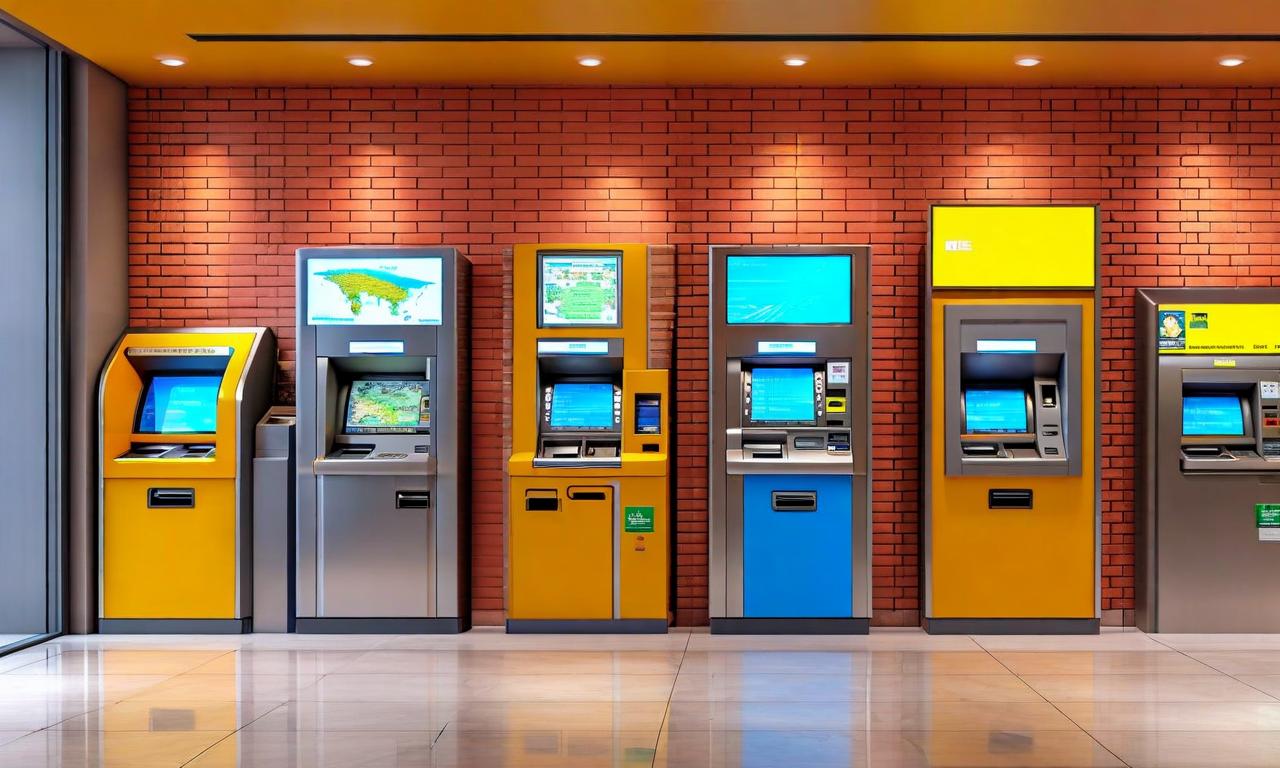

*this image is generated using AI for illustrative purposes only.
Indian banks are staging an aggressive comeback in ATM deployment, with major lenders planning to install nearly 17,350 ATMs over the next six months extending to the first quarter of FY27. This expansion represents a significant technology-led transition as banks increasingly pivot toward cash recycling technology to enhance operational efficiency and reduce costs.
Major Banks Lead Deployment Drive
State-run banks are spearheading this ATM expansion, with four major lenders accounting for a substantial portion of the planned installations:
| Bank | Planned ATM Deployment |
|---|---|
| Bank of India | ~3,700 machines |
| Union Bank of India | ~2,000 machines |
| Canara Bank | ~1,500 machines |
| Indian Bank | ~1,006 machines |
| Total (Four Banks) | >8,000 machines |
Technology Shift Toward Cash Recyclers
The deployment strategy reveals a strong preference for advanced cash recycling technology over conventional ATMs. Of the total RFPs floated, approximately 13,100 are specifically for cash recyclers, representing more than 75% of the planned installations.
| Deployment Type | Number of Machines | Percentage |
|---|---|---|
| Cash Recyclers | ~13,100 | >75% |
| Total RFPs | 17,350 | 100% |
This technology transition allows banks to recycle cash, reduce replenishment frequency, and improve machine uptime while lowering cash-handling costs and operational downtime.
Market Recovery After Industry Disruption
The ATM deployment surge follows significant market disruption in 2025, when AGS Transact, one of the largest ATM service providers operating nearly 40,000 ATMs, collapsed. This event forced several banks to either shut down older machines or migrate to new service providers, accelerating the adoption of newer technologies.
Anush Raghavan, chief business officer at CMS Info Systems, noted the cyclical nature of the market: "We see a fair bit of bank outsourcing and the RFP cycle coming up again in 2026. The last wave of asset replacement or expansion was seen in 2023 and 2024. In 2025, we had an increase in ATM interchange fees, which typically leads to expansion of the market and higher outsourcing."
Strategic Focus on Efficiency Over Scale
Banks are now adopting a more deliberate deployment strategy, prioritizing technology capability and long-term cost efficiency. An industry executive highlighted this shift: "The focus is no longer just on adding ATMs, but on deploying smarter machines that can recycle cash, reduce replenishment frequency and improve uptime. After the AGS episode, banks are prioritising vendor stability, technology capability and long-term cost efficiency over sheer scale."
Current Market Position
Despite the planned expansion, industry data shows the market is recovering from recent disruptions. As of end-November, banks had deployed around 207,000 ATMs and cash recyclers across the country, compared with about 215,000 a year earlier. This temporary decline reflects the technology transition rather than a retreat from physical cash infrastructure, with banks expected to see increased RFP activity and greater outsourcing in 2026.
 18
18










 Access 50+ Readymade Screeners
  Use 200+ Custom Filters
  Get Full Market Insights





