

India Imposes Five-Year Anti-Dumping Duty on Vietnamese Steel Products


India has implemented a five-year anti-dumping duty on certain steel products imported from Vietnam to protect its domestic steel industry. This measure aims to shield Indian manufacturers from unfair trade practices and may encourage increased domestic production. The duty could potentially impact steel prices, alter trade dynamics, and reflect ongoing challenges in the global steel market, including overcapacity issues and the balance between free trade and fair trade practices.

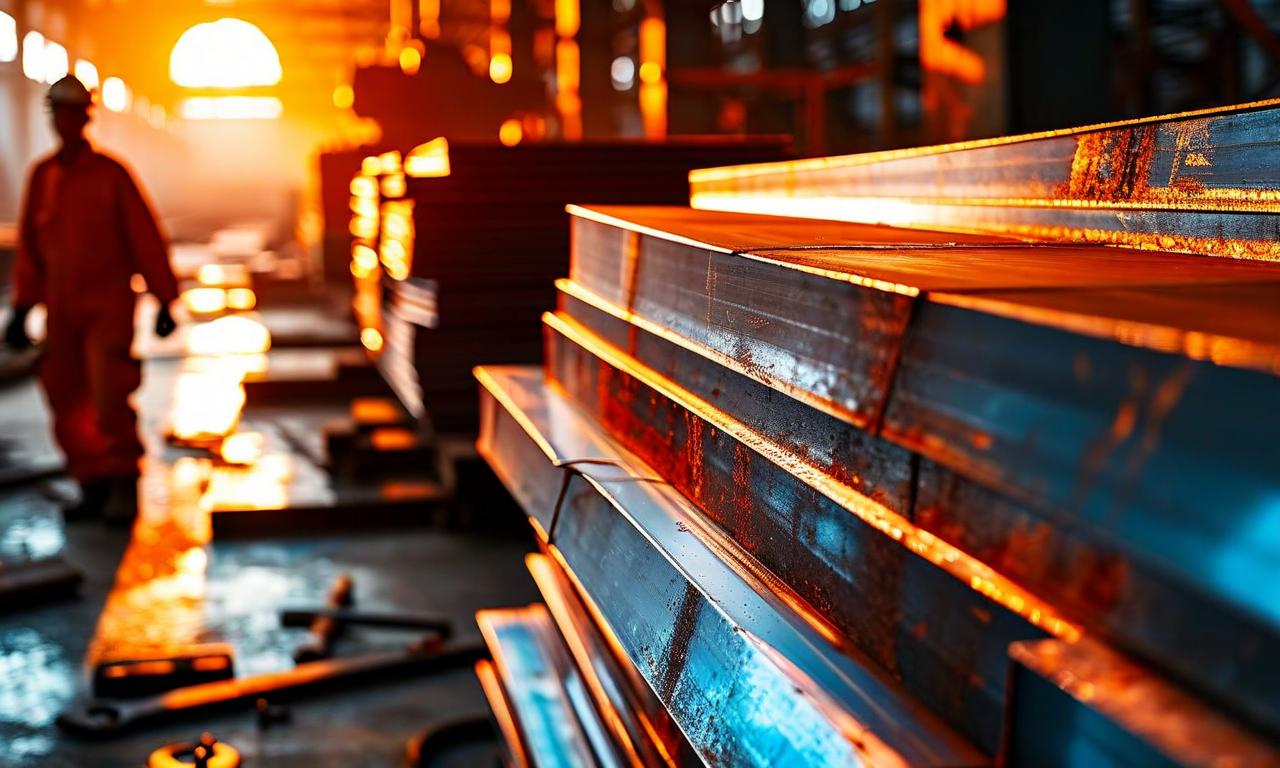

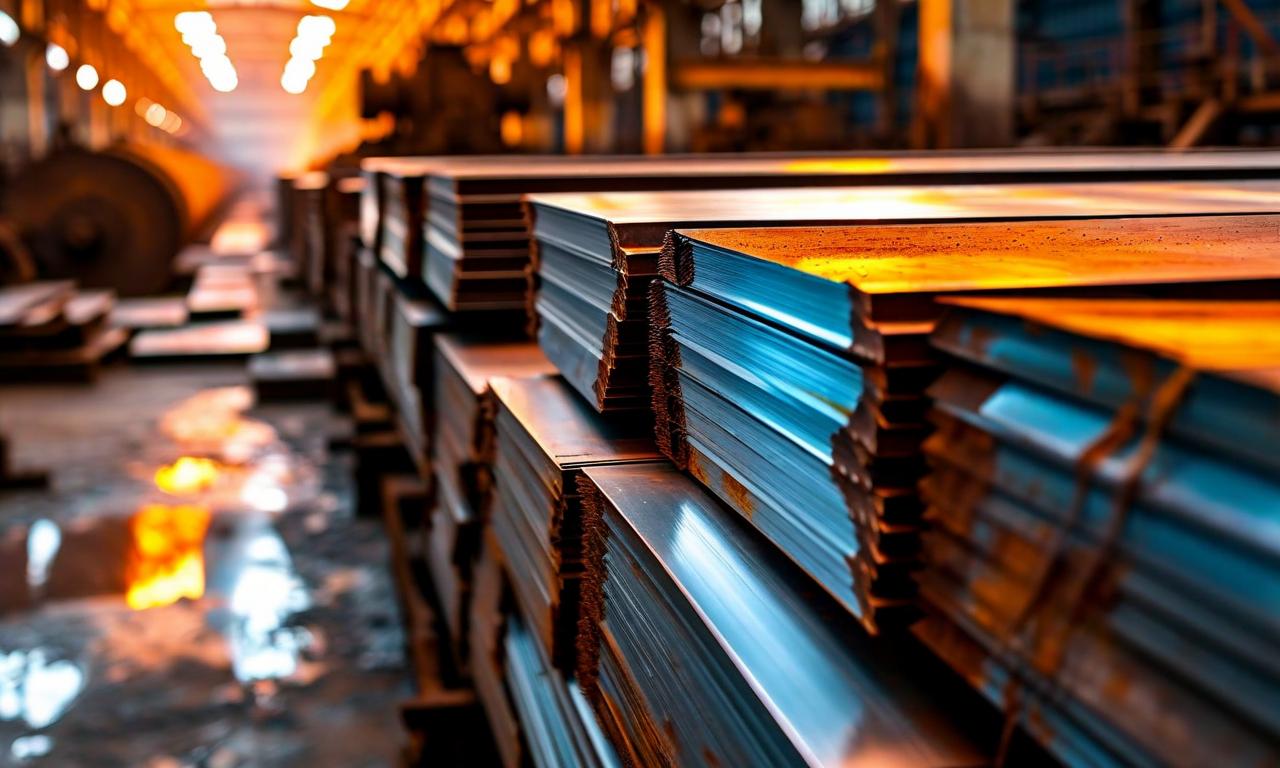
*this image is generated using AI for illustrative purposes only.
India has taken a significant step in protecting its domestic steel industry by implementing a five-year anti-dumping duty on certain steel products imported from Vietnam. This move is expected to have far-reaching implications for both the Indian steel sector and trade relations between the two countries.
Key Points of the Anti-Dumping Measure
- Duration: The anti-dumping duty will remain in effect for a five-year period.
- Target: Specific steel product categories imported from Vietnam.
- Objective: To protect the domestic steel industry from unfair trade practices.
Implications for the Steel Sector
This trade measure is likely to have several impacts on the steel industry:
Domestic Production
The anti-dumping duty may encourage increased production by Indian steel manufacturers, as they face reduced competition from Vietnamese imports.
Pricing
Domestic steel prices could potentially rise due to decreased competition, although this will depend on various market factors.
Trade Dynamics
The measure may alter trade flows, potentially leading to increased sourcing from other countries or a shift in Vietnam's export strategies.
Broader Economic Context
The implementation of this anti-dumping duty reflects ongoing challenges in the global steel market, including:
- Overcapacity issues in some regions
- The need for countries to protect their domestic industries
- The delicate balance between free trade and fair trade practices
Conclusion
While this measure aims to support India's steel sector, it's important to monitor its long-term effects on the industry, bilateral trade relations, and overall economic impact. Stakeholders in the steel industry, from manufacturers to end-users, will need to adapt to these new trade conditions over the coming five-year period.
 20
20






 Create Custom Screeners
  Access 200+ Pre-built Filters
  Use 50+ Readymade Screener





