

India Imposes Anti-Dumping Duty on Chinese Cold Rolled Non-Oriented Electrical Steel


India has imposed anti-dumping duties on imports of cold rolled non-oriented electrical steel from China to protect domestic steel manufacturers. The Directorate General of Trade Remedies (DGTR) recommended this measure to safeguard the Indian steel industry's interests. This specialized steel is crucial for manufacturing electrical transformers, motors, and generators. The move aims to level the playing field for Indian producers, encourage local production, and support the 'Make in India' initiative. However, it may increase input costs for electrical equipment manufacturers.

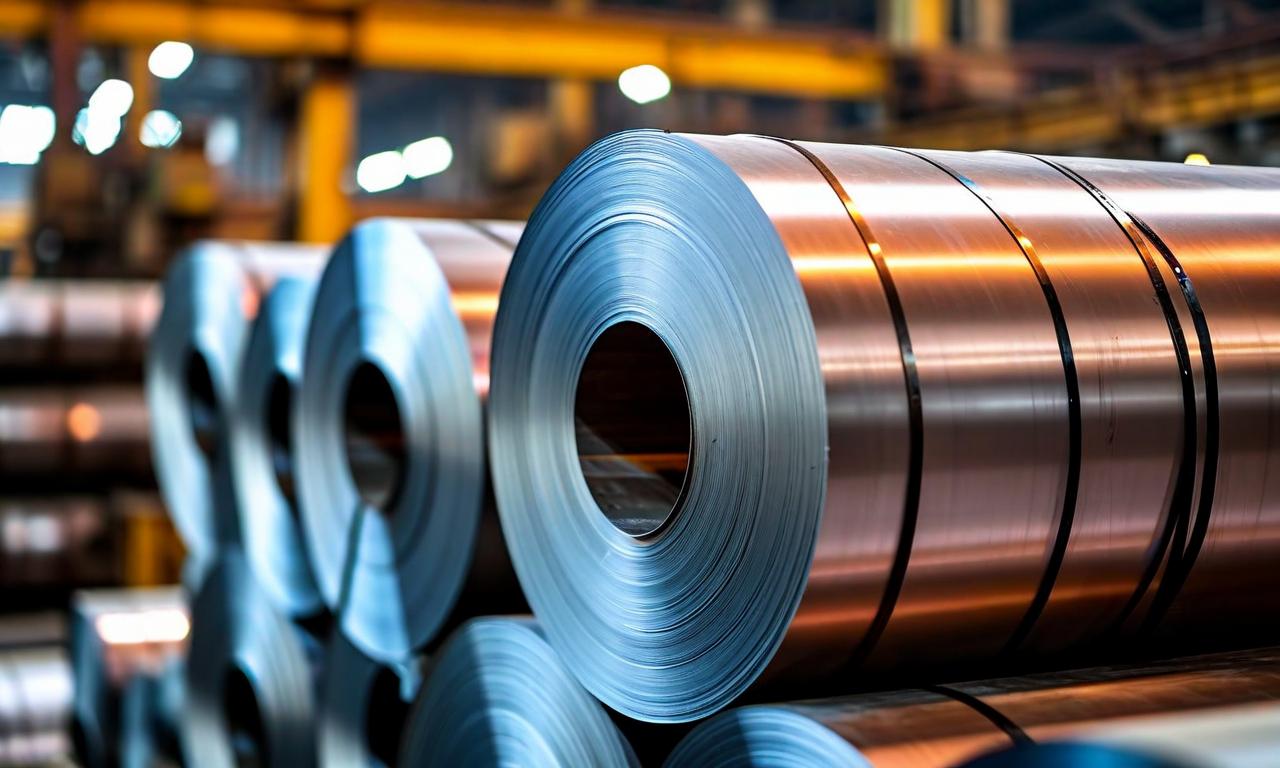

*this image is generated using AI for illustrative purposes only.
In a significant move to protect domestic steel manufacturers, India has taken action against alleged unfair trade practices by imposing anti-dumping duties on imports of cold rolled non-oriented electrical steel from China. The Directorate General of Trade Remedies (DGTR), the country's trade defense watchdog, has recommended this measure to safeguard the interests of the Indian steel industry.
Understanding the Impact
Cold rolled non-oriented electrical steel is a specialized product category crucial for various electrical applications. It is primarily used in the manufacturing of electrical transformers, motors, and generators. The imposition of anti-dumping duties is expected to have far-reaching effects on both the steel and electrical equipment sectors in India.
Trade Protection Measure
The anti-dumping duty is a protectionist tariff that a domestic government imposes on foreign imports that it believes are priced below fair market value. In this case, the DGTR's decision suggests that Chinese manufacturers were selling cold rolled non-oriented electrical steel in India at prices lower than their normal value, potentially harming the domestic steel industry.
Implications for the Steel Sector
This move is likely to benefit Indian steel manufacturers who produce cold rolled non-oriented electrical steel. By leveling the playing field, the anti-dumping duty aims to:
- Protect domestic producers from unfair competition
- Encourage local production and self-reliance
- Potentially boost employment in the Indian steel sector
- Support the government's 'Make in India' initiative
Challenges and Opportunities
While the anti-dumping duty offers protection to domestic steel producers, it may present challenges for industries that rely on imported cold rolled non-oriented electrical steel. Manufacturers of electrical equipment might face increased input costs, which could potentially impact their competitiveness.
However, this situation also presents an opportunity for the Indian steel industry to increase production of cold rolled non-oriented electrical steel, meeting domestic demand and potentially exploring export opportunities.
Global Trade Dynamics
This decision by India adds another chapter to the ongoing global trade tensions, particularly in the steel sector. It reflects the broader trend of countries taking measures to protect their domestic industries against what they perceive as unfair trade practices.
As the global steel market continues to evolve, such trade protection measures are likely to play a significant role in shaping the competitive landscape of the steel industry, both in India and internationally.
 19
19






 Access Market Heat-map & Insights
  Create, Save & Share your Screener
  Use 200+ Screening Filters





