EU Concludes Anti-Dumping Probe on Indian Steel, No Duties Imposed

1 min read     Updated on 26 Sept 2025, 01:28 PM
scanx
Reviewed by
Anirudha BScanX News Team
Overview

The European Union has concluded its anti-dumping investigation on Indian steel products without imposing any duties. This decision allows Indian steel exporters to maintain market access and competitiveness in the EU without additional tariffs. The outcome is expected to boost confidence among Indian steel manufacturers and potentially encourage increased production for export. However, the EU market remains highly competitive, and Indian manufacturers will need to continue focusing on quality and efficiency to maintain their position.

20419138

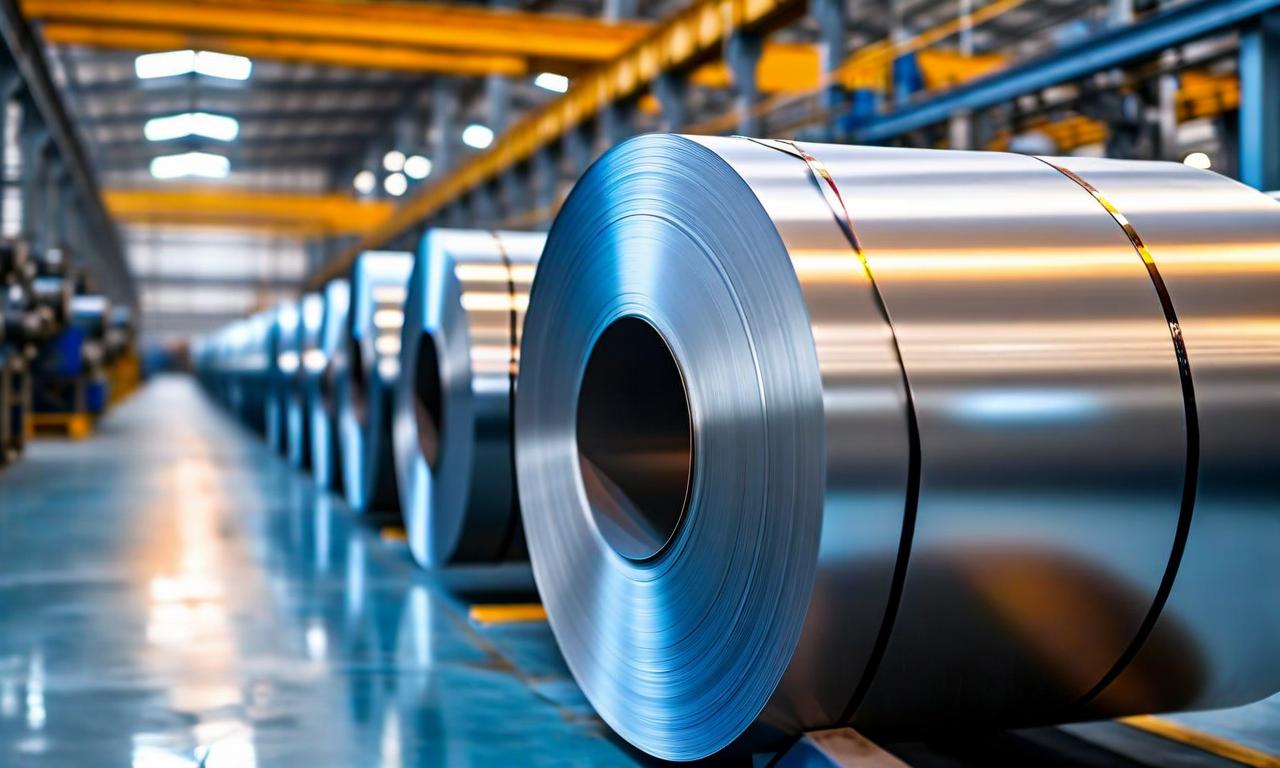
*this image is generated using AI for illustrative purposes only.

In a significant development for the Indian steel industry, the European Union (EU) has concluded its anti-dumping investigation on Indian steel products without imposing any duties. This decision comes as a relief to Indian steel manufacturers who were under scrutiny for alleged dumping practices in the EU market.

Impact on the Steel Sector

The conclusion of this investigation without punitive measures is likely to have several implications for the steel sector:

  1. Market Access: Indian steel exporters can continue to access the EU market without additional tariffs, maintaining their competitiveness.

  2. Trade Relations: This decision may contribute to improved trade relations between India and the EU, potentially paving the way for smoother negotiations in other sectors.

  3. Industry Confidence: The absence of anti-dumping duties could boost confidence among Indian steel manufacturers and potentially encourage increased production for export.

Significance for Indian Steel Manufacturers

For Indian steel companies, the EU's decision represents a positive outcome:

  • Continued Export Opportunities: Major steel producers can maintain their export strategies to the EU without the burden of additional duties.
  • Competitive Positioning: The ruling allows Indian steel to remain price-competitive in the European market, which is crucial for maintaining market share.
  • Reputation Management: The conclusion of the investigation without penalties may help in preserving the reputation of Indian steel quality and pricing practices internationally.

Looking Ahead

While this development is favorable for the Indian steel industry, it's important to note that:

  • The EU market remains highly competitive, and Indian manufacturers will need to continue focusing on quality and efficiency to maintain their position.
  • Future trade practices will likely be under continued scrutiny, emphasizing the need for adherence to international trade norms.
  • Indian steel companies may need to diversify their export markets to reduce dependency on any single region.

The conclusion of this anti-dumping investigation without imposing duties marks a positive chapter for Indo-EU trade relations in the steel sector. It provides Indian steel manufacturers with a stable platform to continue their operations in the European market, while also serving as a testament to the competitiveness of Indian steel in the global arena.

like15
dislike

India Imposes Anti-Dumping Duty on Chinese Cold Rolled Non-Oriented Electrical Steel

1 min read     Updated on 22 Sept 2025, 08:53 AM
scanx
Reviewed by
Naman SScanX News Team
Overview

India has imposed anti-dumping duties on imports of cold rolled non-oriented electrical steel from China to protect domestic steel manufacturers. The Directorate General of Trade Remedies (DGTR) recommended this measure to safeguard the Indian steel industry's interests. This specialized steel is crucial for manufacturing electrical transformers, motors, and generators. The move aims to level the playing field for Indian producers, encourage local production, and support the 'Make in India' initiative. However, it may increase input costs for electrical equipment manufacturers.

20057028

*this image is generated using AI for illustrative purposes only.

In a significant move to protect domestic steel manufacturers, India has taken action against alleged unfair trade practices by imposing anti-dumping duties on imports of cold rolled non-oriented electrical steel from China. The Directorate General of Trade Remedies (DGTR), the country's trade defense watchdog, has recommended this measure to safeguard the interests of the Indian steel industry.

Understanding the Impact

Cold rolled non-oriented electrical steel is a specialized product category crucial for various electrical applications. It is primarily used in the manufacturing of electrical transformers, motors, and generators. The imposition of anti-dumping duties is expected to have far-reaching effects on both the steel and electrical equipment sectors in India.

Trade Protection Measure

The anti-dumping duty is a protectionist tariff that a domestic government imposes on foreign imports that it believes are priced below fair market value. In this case, the DGTR's decision suggests that Chinese manufacturers were selling cold rolled non-oriented electrical steel in India at prices lower than their normal value, potentially harming the domestic steel industry.

Implications for the Steel Sector

This move is likely to benefit Indian steel manufacturers who produce cold rolled non-oriented electrical steel. By leveling the playing field, the anti-dumping duty aims to:

  • Protect domestic producers from unfair competition
  • Encourage local production and self-reliance
  • Potentially boost employment in the Indian steel sector
  • Support the government's 'Make in India' initiative

Challenges and Opportunities

While the anti-dumping duty offers protection to domestic steel producers, it may present challenges for industries that rely on imported cold rolled non-oriented electrical steel. Manufacturers of electrical equipment might face increased input costs, which could potentially impact their competitiveness.

However, this situation also presents an opportunity for the Indian steel industry to increase production of cold rolled non-oriented electrical steel, meeting domestic demand and potentially exploring export opportunities.

Global Trade Dynamics

This decision by India adds another chapter to the ongoing global trade tensions, particularly in the steel sector. It reflects the broader trend of countries taking measures to protect their domestic industries against what they perceive as unfair trade practices.

As the global steel market continues to evolve, such trade protection measures are likely to play a significant role in shaping the competitive landscape of the steel industry, both in India and internationally.

like18
dislike