
 NewsIndia Drafts New Smartphone Manufacturing Incentives Linking Subsidies to Exports and Local Components
India Drafts New Smartphone Manufacturing Incentives Linking Subsidies to Exports and Local Components


India is drafting new smartphone manufacturing incentives that will link government subsidies to export performance and deeper use of locally made components, according to Bloomberg sources. This policy shift aims to boost India's export capabilities and strengthen domestic component manufacturing, potentially impacting companies like Dixon Technologies and other major electronics manufacturers in the sector.

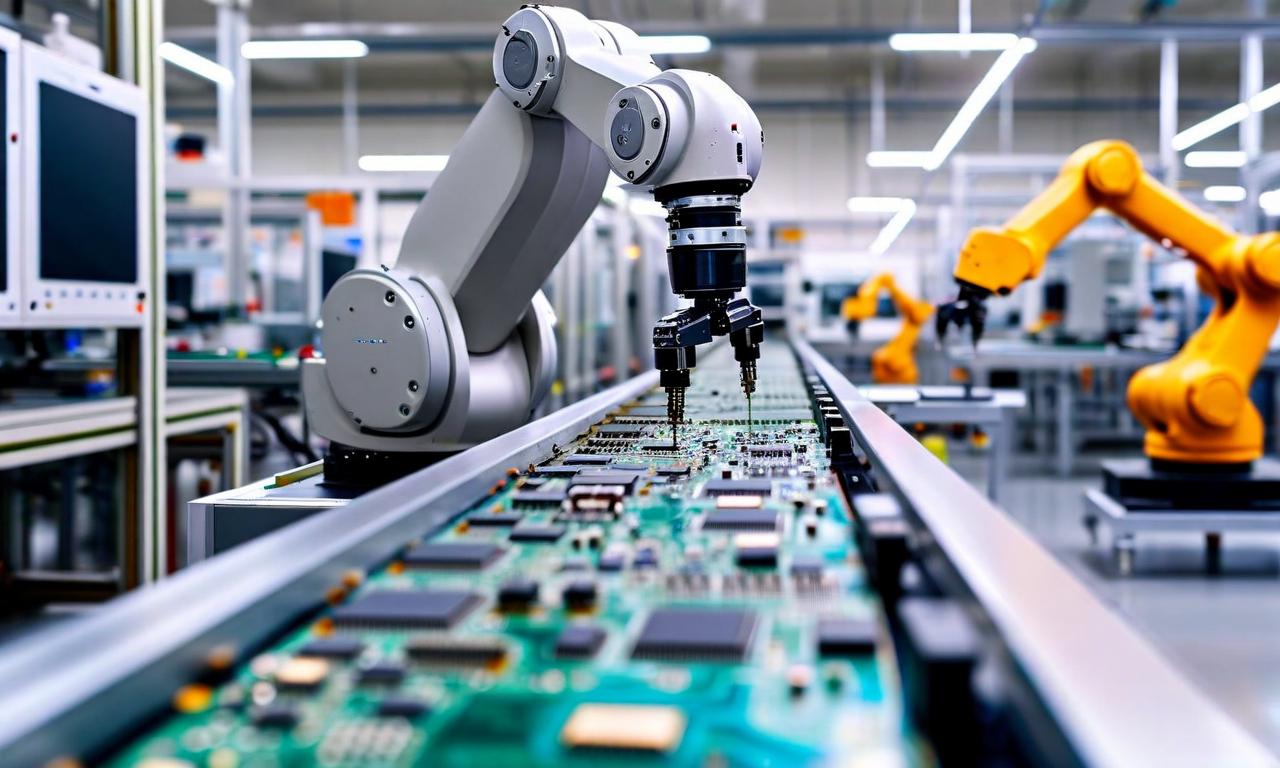

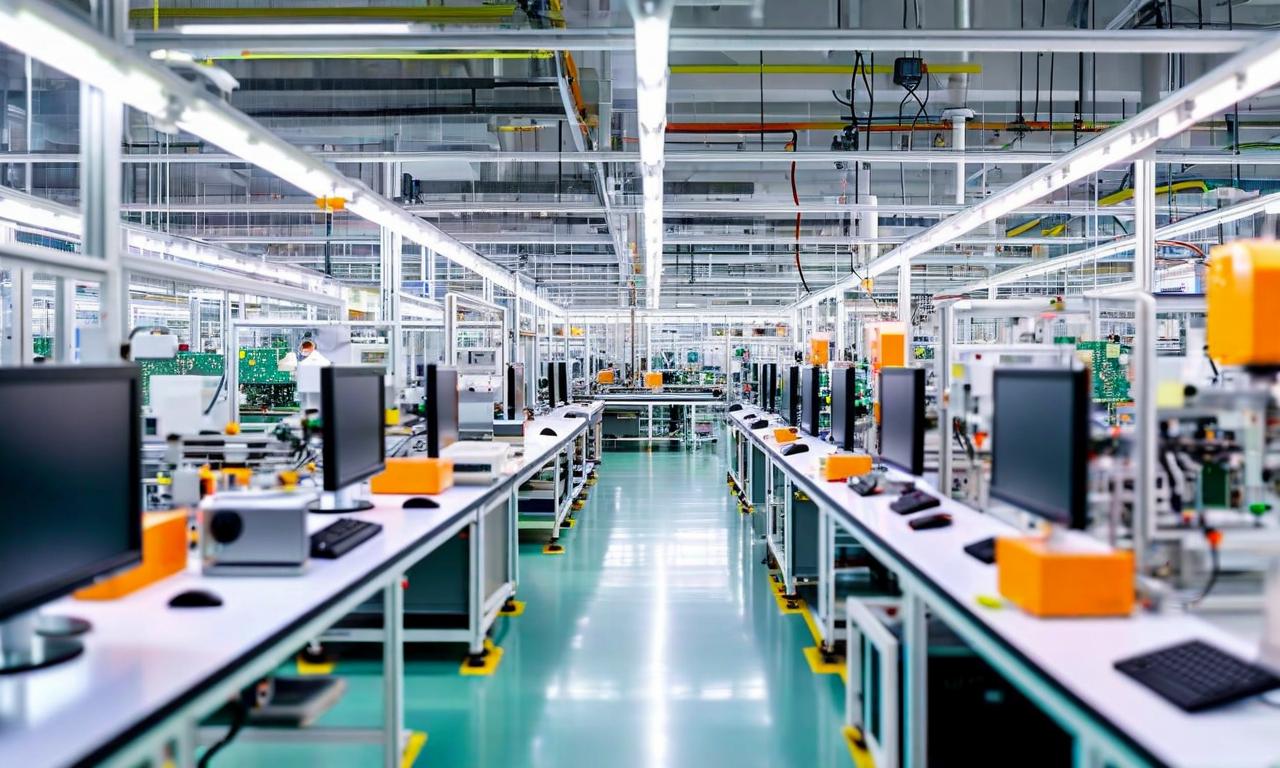
*this image is generated using AI for illustrative purposes only.
India is preparing a new round of smartphone manufacturing incentives that would fundamentally change how government subsidies are distributed to manufacturers, according to Bloomberg sources. The proposed policy framework represents a strategic evolution in India's approach to building domestic manufacturing capabilities in the smartphone sector.
New Incentive Structure
The draft policy would link government subsidies directly to two key performance metrics: export achievements and the depth of locally manufactured component usage. This marks a departure from previous incentive schemes and signals India's intent to create a more export-oriented and self-reliant smartphone manufacturing ecosystem.
Policy Implications
The new incentive framework is designed to encourage manufacturers to expand beyond domestic market focus and develop significant export capabilities. By tying subsidies to local component usage, the policy aims to strengthen India's component manufacturing base and reduce dependence on imported parts.
| Policy Focus Areas: | Details |
|---|---|
| Subsidy Criteria: | Export performance and local component usage |
| Target Sector: | Smartphone manufacturing |
| Policy Stage: | Draft preparation |
| Strategic Goal: | Enhanced domestic manufacturing capabilities |
Manufacturing Sector Impact
This policy development could significantly benefit established electronics manufacturers operating in India's smartphone production landscape. Companies like Dixon Technologies and other major players in the sector may need to adapt their strategies to align with the new subsidy criteria.
Strategic Objectives
The proposed incentive structure reflects India's broader manufacturing strategy of building comprehensive production ecosystems rather than simple assembly operations. The focus on exports indicates the government's ambition to position India as a global smartphone manufacturing hub, while the emphasis on local components aims to develop upstream supply chain capabilities within the country.
Historical Stock Returns for Dixon Technologies
| 1 Day | 5 Days | 1 Month | 6 Months | 1 Year | 5 Years |
|---|---|---|---|---|---|
| -0.44% | -9.23% | -12.83% | +3.30% | -27.82% | +120.91% |
 17
17






 Create Custom Screeners
  Access 200+ Pre-built Filters
  Use 50+ Readymade Screener





