
 NewsGovernment to Set Minimum Import Price for Penicillin to Boost Local API Manufacturing Under PLI Scheme
Government to Set Minimum Import Price for Penicillin to Boost Local API Manufacturing Under PLI Scheme


The Indian government plans to establish a minimum import price for penicillin API to support domestic manufacturing under the Production Linked Incentive (PLI) scheme. This move aims to reduce dependence on imported APIs and strengthen India's pharmaceutical manufacturing ecosystem. The policy is expected to level the playing field between local producers and international suppliers, potentially benefiting companies like Aurobindo Pharma. The initiative aligns with the government's goal of achieving self-reliance in pharmaceutical manufacturing, particularly for critical antibiotics.

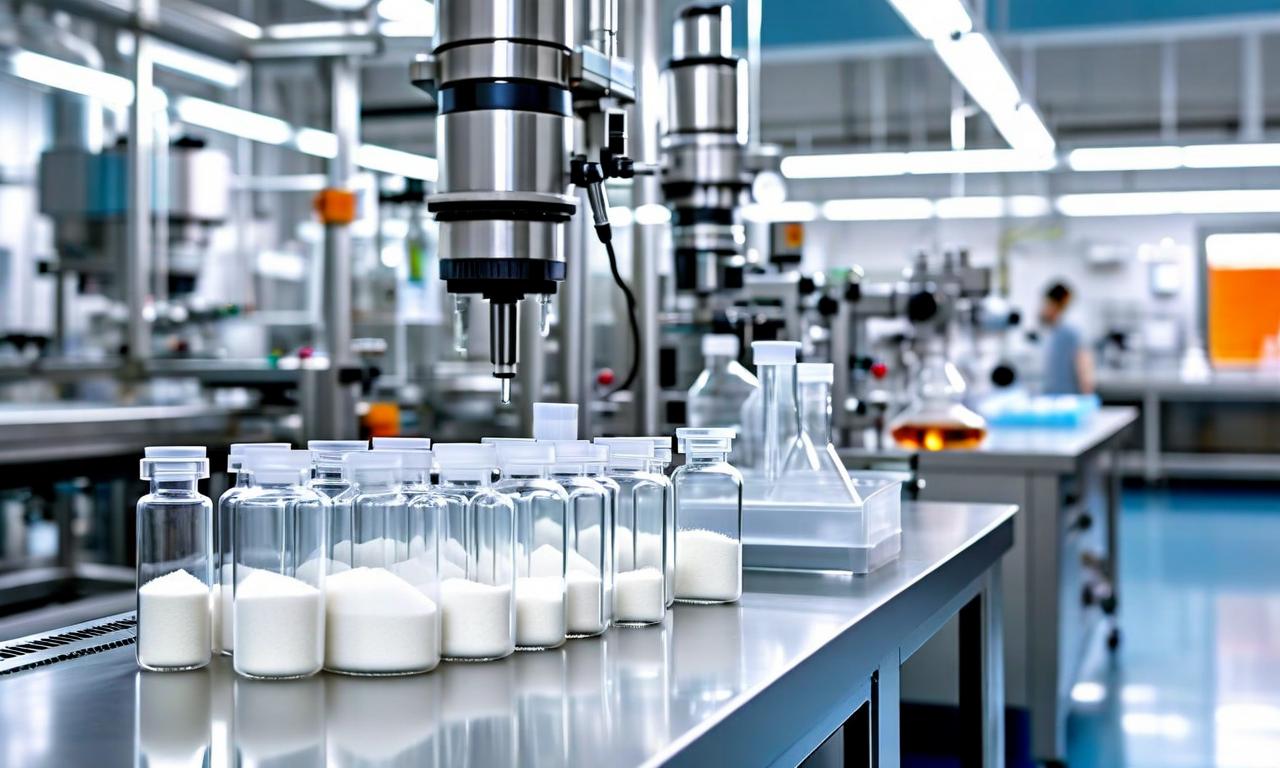

*this image is generated using AI for illustrative purposes only.
The government plans to establish a minimum import price for penicillin, a strategic move designed to bolster domestic Active Pharmaceutical Ingredient (API) manufacturing under the Production Linked Incentive (PLI) scheme. This policy intervention represents a significant step toward reducing India's dependence on imported APIs and strengthening the country's pharmaceutical manufacturing ecosystem.
Policy Framework and Objectives
The minimum import price mechanism aims to create a protective framework for domestic penicillin manufacturers by establishing a floor price for imported penicillin. This approach intends to level the playing field between local producers and international suppliers, potentially making domestic manufacturing more economically attractive.
| Policy Component | Details |
|---|---|
| Target Product | Penicillin API |
| Mechanism | Minimum Import Price |
| Supporting Scheme | Production Linked Incentive (PLI) |
| Primary Objective | Boost Local API Investments |
Potential Impact on Pharmaceutical Sector
The implementation of minimum import pricing could provide several benefits to the domestic pharmaceutical industry. Aurobindo Pharma and other pharmaceutical manufacturers may potentially benefit from this policy framework, as it aims to create favorable conditions for expanding local API production capabilities.
Potential advantages of this policy may include:
- Enhanced price competitiveness for domestic manufacturers
- Reduced reliance on imported penicillin APIs
- Increased investment incentives under the PLI scheme
- Strengthened supply chain security for critical antibiotics
Strategic Significance
Penicillin remains one of the most widely used antibiotics globally, making its domestic production strategically important for India's healthcare security. The minimum import price policy aligns with the government's broader vision of achieving self-reliance in pharmaceutical manufacturing, particularly in critical therapeutic segments.
This initiative aims to complement existing PLI scheme benefits, potentially creating a dual advantage for manufacturers willing to invest in domestic penicillin production. The policy framework is designed to encourage both capacity expansion and technology upgrades in the API manufacturing sector.
Historical Stock Returns for Aurobindo Pharma
| 1 Day | 5 Days | 1 Month | 6 Months | 1 Year | 5 Years |
|---|---|---|---|---|---|
| -0.23% | +1.30% | +6.47% | +33.58% | +56.93% | +137.27% |
 20
20














 Create Custom Screeners
  Access 200+ Pre-built Filters
  Use 50+ Readymade Screener





