
 NewsFSSAI Launches Special Licensing Portal for Ayurveda Food Products, Impacting Dabur and Peers
FSSAI Launches Special Licensing Portal for Ayurveda Food Products, Impacting Dabur and Peers


The Food Safety and Standards Authority of India (FSSAI) has introduced a specialized licensing portal for Ayurvedic food products. This development is expected to impact major industry players like Dabur India Ltd, Patanjali Ayurved, and Emami Limited. The new system aims to streamline licensing processes and enhance oversight in the Ayurvedic food sector. It may lead to standardization, improved quality control, increased consumer trust, and new regulatory challenges for market entrants. The long-term effects on product innovation, market growth, and consumer perception are yet to be determined.


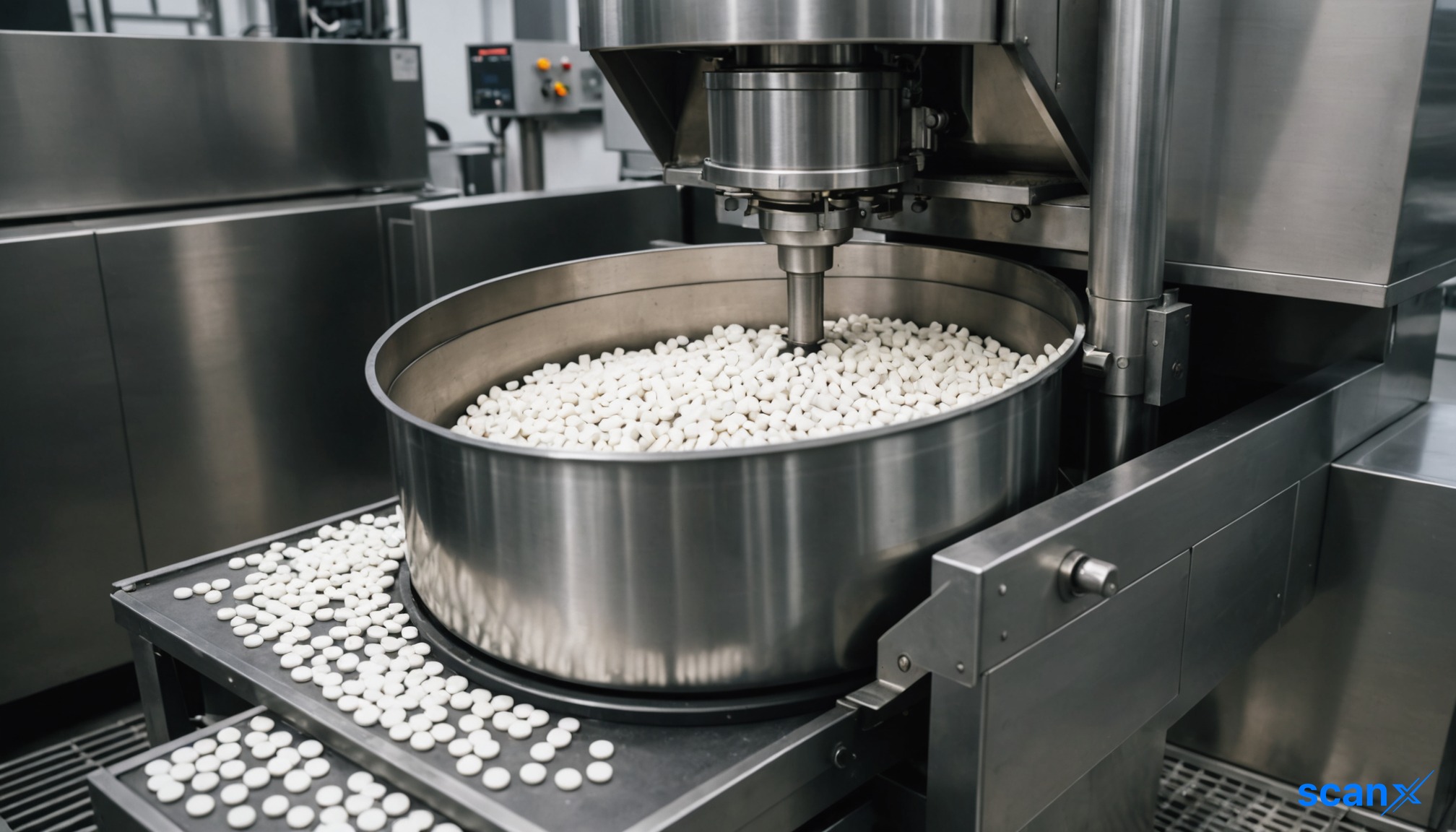
*this image is generated using AI for illustrative purposes only.
In a significant development for the Ayurvedic food industry, the Food Safety and Standards Authority of India (FSSAI) has introduced a dedicated licensing portal for Ayurveda food products. This move is expected to have notable implications for major players in the sector, including Dabur India Ltd, Patanjali Ayurved, and Emami Limited.
New Licensing Framework for Ayurvedic Food Products
The FSSAI's decision to create a specialized licensing portal for Ayurveda food products marks a pivotal shift in the regulatory landscape. This initiative is likely aimed at streamlining the licensing process and ensuring better oversight of Ayurvedic food products in the Indian market.
Impact on Industry Leaders
Dabur India Ltd, a frontrunner in the Ayurvedic products market, is expected to be significantly affected by this new regulatory framework. As one of the oldest and largest Ayurvedic products manufacturers in India, Dabur's extensive range of Ayurvedic food items will now fall under this new licensing system.
Similarly, other major players in the Ayurvedic food sector, such as Patanjali Ayurved and Emami Limited, will also need to adapt to these new licensing requirements. This development could potentially lead to changes in product registration processes, compliance procedures, and possibly even product formulations to meet any new standards set by the FSSAI.
Implications for the Ayurvedic Food Industry
The introduction of this specialized portal could bring about several changes in the Ayurvedic food industry:
- Standardization: It may lead to more standardized processes for Ayurvedic food product approvals.
- Quality Control: Enhanced scrutiny could result in improved quality control measures across the industry.
- Consumer Trust: A dedicated licensing system might boost consumer confidence in Ayurvedic food products.
- Market Entry: New entrants in the Ayurvedic food sector may face more structured regulatory hurdles.
Looking Ahead
As companies navigate this new regulatory landscape, investors and industry observers will be keen to see how these changes impact the Ayurvedic food market. The move by FSSAI could potentially reshape the competitive dynamics of the industry, with companies that quickly adapt to the new licensing system potentially gaining an edge.
While the immediate focus is on compliance, the long-term effects of this regulatory change on product innovation, market growth, and consumer perception remain to be seen. Stakeholders in the Ayurvedic food industry will be watching closely as this new chapter in regulatory oversight unfolds.
Historical Stock Returns for Stanley Lifestyles
| 1 Day | 5 Days | 1 Month | 6 Months | 1 Year | 5 Years |
|---|---|---|---|---|---|
| -2.38% | +7.25% | +1.41% | -3.26% | -52.64% | -71.01% |
 18
18






 Access 50+ Readymade Screeners
  Use 200+ Custom Filters
  Get Full Market Insights





