

Capital Market Infrastructure Players Emerge as Major Winners in India's Equity Boom


India's capital market infrastructure companies have become the standout winners of the equity market boom, with BSE delivering a remarkable 124% CAGR during 2020-2025 as the fastest wealth creator post-COVID. The sector generated ₹70,000 crores in FY25 revenues, benefiting from explosive retail participation growth from 30 million to 120+ million investors, sixfold mutual fund AUM expansion to ₹80+ trillion, and SIP inflows reaching ₹31,000 crores monthly. While these asset-light, high-ROE businesses offer compelling long-term prospects through India's financialization wave, they face regulatory risks particularly around derivatives trading that comprises 70-80% of revenues.



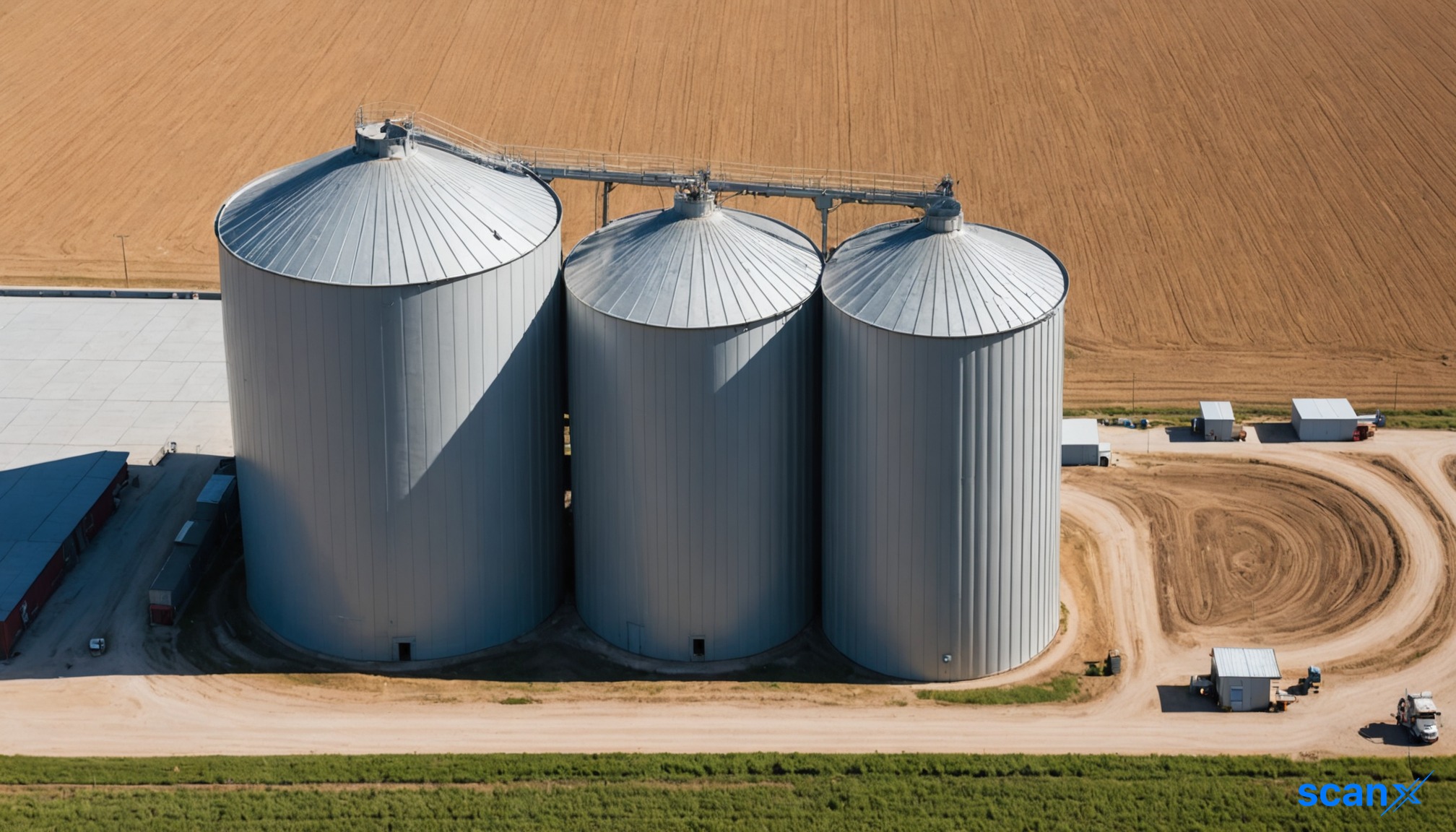
*this image is generated using AI for illustrative purposes only.
India's capital market infrastructure companies have emerged as the unexpected champions of the country's equity market boom, mirroring the historical success of those who sold picks and shovels during the California Gold Rush rather than mining gold themselves. These behind-the-scenes players are now reaping extraordinary rewards from India's deepening equity culture and the massive surge in retail investor participation.
Record-Breaking Performance Metrics
BSE has achieved the distinction of being India's fastest wealth creator in the post-COVID era, according to Motilal Oswal's 30th Annual Wealth Creation Study. The exchange's remarkable performance stands out even among high-growth sectors.
| Performance Metric | Details |
|---|---|
| BSE Five-Year CAGR (2020-2025) | 124.00% |
| Sector Revenue (FY25) | ₹70,000 crores |
| Individual Investors Growth | 30 million (2019) to 120+ million (2025) |
The broader infrastructure ecosystem has witnessed equally impressive growth across multiple parameters. Mutual fund assets under management expanded dramatically from ₹12.75 trillion in December 2015 to over ₹80 trillion by December 2025, representing a more than sixfold increase within a decade.
| Growth Indicators | 2015/2019 Baseline | Current Levels | Growth Multiple |
|---|---|---|---|
| Mutual Fund AUM | ₹12.75 trillion (Dec 2015) | ₹80+ trillion (Dec 2025) | 6x+ |
| Demat Accounts | 41 million (FY20) | 216+ million (Current) | 5x+ |
| Monthly SIP Inflows | Sub-₹10,000 crores | ₹31,000 crores (Dec) | 3x+ |
Market Infrastructure Ecosystem Structure
India's capital market infrastructure comprises four key segments, each playing a crucial role in the financial ecosystem. Brokers form the front-end interface, facilitating trading through platforms and earning revenue via brokerage fees and commissions. The post-COVID boom has been largely driven by discount brokers like Zerodha, Groww, and Upstox, which now account for over 60% of active demat accounts.
Stock exchanges provide the organized trading platforms where securities are listed and priced. The National Stock Exchange holds a commanding 90% share in the cash segment and maintains a virtual monopoly in futures trading, while BSE, Asia's oldest bourse founded in 1875, has been making strategic inroads. The commodity segment includes Multi Commodity Exchange of India and National Commodity and Derivatives Exchange.
Depositories maintain electronic custody of securities through a duopoly structure featuring National Securities Depository Ltd and Central Depository Services Ltd. Registrar and Transfer Agents, led by CAMS and KFin Technologies, serve as the administrative backbone handling shareholder registers and corporate actions.
Investment Appeal and Strategic Advantages
Capital market infrastructure players offer compelling investment characteristics through their asset-light, scalable business models. These companies benefit from strong regulatory moats, network effects, and annuity-like revenue streams that typically generate high return on equity with limited balance-sheet risk.
"Capital market infrastructure players offer a compelling long-term growth story, driven by the deepening equity culture and financialization of household savings," explains Sneha Poddar, vice president of research at Motilal Oswal Financial Services.
Within the ecosystem, depositories and RTAs are viewed as relatively defensive compounders, with growth driven by account proliferation and AUM expansion rather than daily trading volatility. Exchanges remain structurally strong but carry higher regulatory and product concentration risks given derivatives' dominance in industry economics.
Exchange Performance and Market Dynamics
Stock exchanges have delivered exceptional returns, with BSE shares jumping 50% in 2025 during a largely sideways market. Multi Commodity Exchange performed even more impressively, soaring nearly 80% over the same period. The anticipated NSE IPO represents one of the year's most watched market events.
| Exchange Performance (2025) | Return |
|---|---|
| BSE Stock Performance | +50.00% |
| MCX Stock Performance | +80.00% |
The exchanges benefit from explosive derivatives activity, where India ranks among the largest global markets by contract volumes. Every incremental trade directly increases exchange revenue while costs remain largely fixed, creating powerful operating leverage and margin expansion.
Risk Factors and Market Considerations
Despite strong fundamentals, the sector faces several risk factors. Regulatory intervention poses the primary concern, particularly around derivatives trading which accounts for 70-80% of exchange and broker revenues. SEBI has implemented measures including increased minimum contract sizes, upfront option premium payments, and limited weekly expiry contracts.
According to Jefferies analysis, a 10% decline in options revenue could adversely impact earnings by 7-8%, while a shift from weekly to fortnightly or monthly index option expiries could reduce earnings by 20-50%. Market downturns affect different segments variably, with exchanges and brokers being most cyclical due to volume-linked revenues, while depositories remain relatively insulated through annuity-like fee structures.
The structural transformation of India's financial landscape from episodic to rule-based investing, evidenced by SIP flows crossing ₹31,000 crores monthly, suggests the sector's long-term growth trajectory remains intact despite near-term regulatory and market risks.
Historical Stock Returns for BSE
| 1 Day | 5 Days | 1 Month | 6 Months | 1 Year | 5 Years |
|---|---|---|---|---|---|
| -1.43% | +7.92% | -3.15% | +3.91% | +46.48% | +2,110.48% |
















 Access 50+ Readymade Screeners
  Use 200+ Custom Filters
  Get Full Market Insights





