NewsStocksBudget 2026 Expected to Prioritise Defence Capex While Maintaining Fiscal Discipline: Motilal Oswal
Budget 2026 Expected to Prioritise Defence Capex While Maintaining Fiscal Discipline: Motilal Oswal


Motilal Oswal expects Union Budget 2026 to maintain focus on defence-led capital expenditure with 10.3% YoY growth to ₹12.40 trillion in FY27, while keeping fiscal deficit at 4.3% of GDP. Defence approvals have reached ₹3.30 trillion in FY26, nearly double the budgeted outlay. The government will rely on ₹3.80 trillion in RBI dividends to meet fiscal targets. High borrowing requirements of ₹29.70 trillion combined are expected to keep 10-year bond yields in 6.5%-6.7% range.
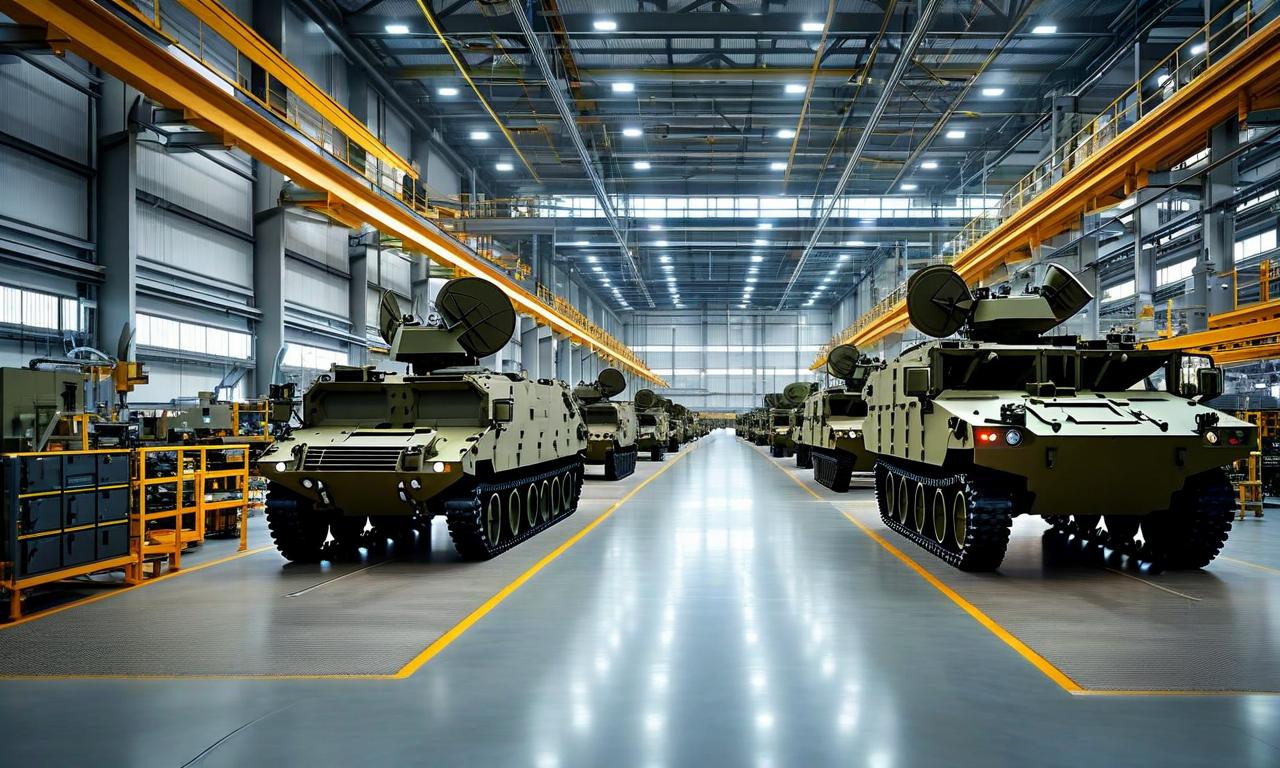
*this image is generated using AI for illustrative purposes only.
India's Union Budget 2026 is expected to prioritise defence-led capital spending while maintaining fiscal discipline, according to a budget preview by Motilal Oswal. The brokerage anticipates the February 1 exercise will focus on defence and allied industries, infrastructure-linked manufacturing, power, electronics, pharmaceuticals and critical minerals, while keeping revenue expenditure under control.
Fiscal Deficit and Growth Projections
Motilal Oswal expects the gross fiscal deficit to decline marginally to 4.3% of GDP in FY27 from 4.4% in FY26, marking a shift towards using debt-to-GDP as the primary fiscal anchor. The budget framework assumes nominal GDP growth of approximately 10.1%, providing limited room for growth support without compromising fiscal consolidation.
| Fiscal Parameter | FY26 | FY27 | Change |
|---|---|---|---|
| Gross Fiscal Deficit (% of GDP) | 4.4% | 4.3% | -0.1% |
| Nominal GDP Growth Assumption | - | 10.1% | - |
Capital Expenditure Focus
The brokerage forecasts capital expenditure to rise 10.3% year-on-year to ₹12.40 trillion in FY27, maintaining its share at around 3.1% of GDP. Defence and allied industries are expected to lead this capex push, with the Defence Acquisition Council already approving capital acquisition proposals worth ₹790.00 billion in its winter session.
| Capex Metrics | Amount/Details |
|---|---|
| Total Capex FY27 | ₹12.40 trillion |
| YoY Growth | 10.3% |
| Share of GDP | 3.1% |
| Defence Approvals (Winter Session) | ₹790.00 billion |
| FY26 YTD Defence Approvals | ₹3.30 trillion |
The FY26 year-to-date defence approvals of approximately ₹3.30 trillion represent nearly double the budgeted defence capital outlay for the year. Other priority sectors include nuclear energy, electronics manufacturing, power, pharmaceuticals and strategic investments in critical minerals.
Revenue Projections and RBI Dividends
On the revenue front, Motilal Oswal projects steady growth with direct taxes expected to track nominal GDP growth, reaching ₹25.70 trillion in FY27. Indirect taxes, including GST collections, are likely to grow at a slower pace. Non-tax revenues will play a crucial role, with dividends from the RBI and public sector undertakings estimated to rise to ₹3.80 trillion in FY27, supported by RBI's dollar sales boosting central bank profitability.
| Revenue Component | FY27 Projection |
|---|---|
| Direct Taxes | ₹25.70 trillion |
| RBI & PSU Dividends | ₹3.80 trillion |
Borrowing Requirements and Bond Yield Outlook
Despite marginal deficit improvement, borrowing requirements remain elevated. The Centre's gross market borrowings are forecast at ₹16.50 trillion in FY27, with net borrowings of ₹11.90 trillion. State governments are expected to add ₹13.20 trillion in gross borrowing, taking aggregate Centre plus state gross borrowing to ₹29.70 trillion.
| Borrowing Details | Amount |
|---|---|
| Centre Gross Borrowing | ₹16.50 trillion |
| Centre Net Borrowing | ₹11.90 trillion |
| State Gross Borrowing | ₹13.20 trillion |
| Total Gross Borrowing | ₹29.70 trillion |
This heavy supply, combined with subdued demand from banks, insurers and foreign investors, is likely to keep the 10-year government bond yield in the 6.5% to 6.7% range through FY27.
Investment Themes and Market Outlook
Motilal Oswal views Budget 2026 as a reaffirmation of existing strategy rather than a policy pivot. For equity investors, preferred themes remain defence and allied industries, infrastructure-linked manufacturing, power, electronics, pharmaceuticals and critical minerals. The budget arrives after a normalisation in government capital spending execution and cooling investor enthusiasm for capex-linked sectors, making it a test of policy credibility for sustaining India's capex-led growth narrative.
 16
16