News Stocks Hospitality Industry Seeks Infrastructure Status and Tax Reforms in Union Budget 2026
Hospitality Industry Seeks Infrastructure Status and Tax Reforms in Union Budget 2026


Hospitality industry leaders have outlined key policy priorities ahead of Union Budget 2026, seeking comprehensive infrastructure status recognition, GST rationalization, and improved financing access. The sector, contributing 7-8% to GDP and employing 46.5 million people, demands single-window clearance mechanisms, stronger Centre-state coordination, and targeted support for skill development to sustain growth and enhance competitiveness.


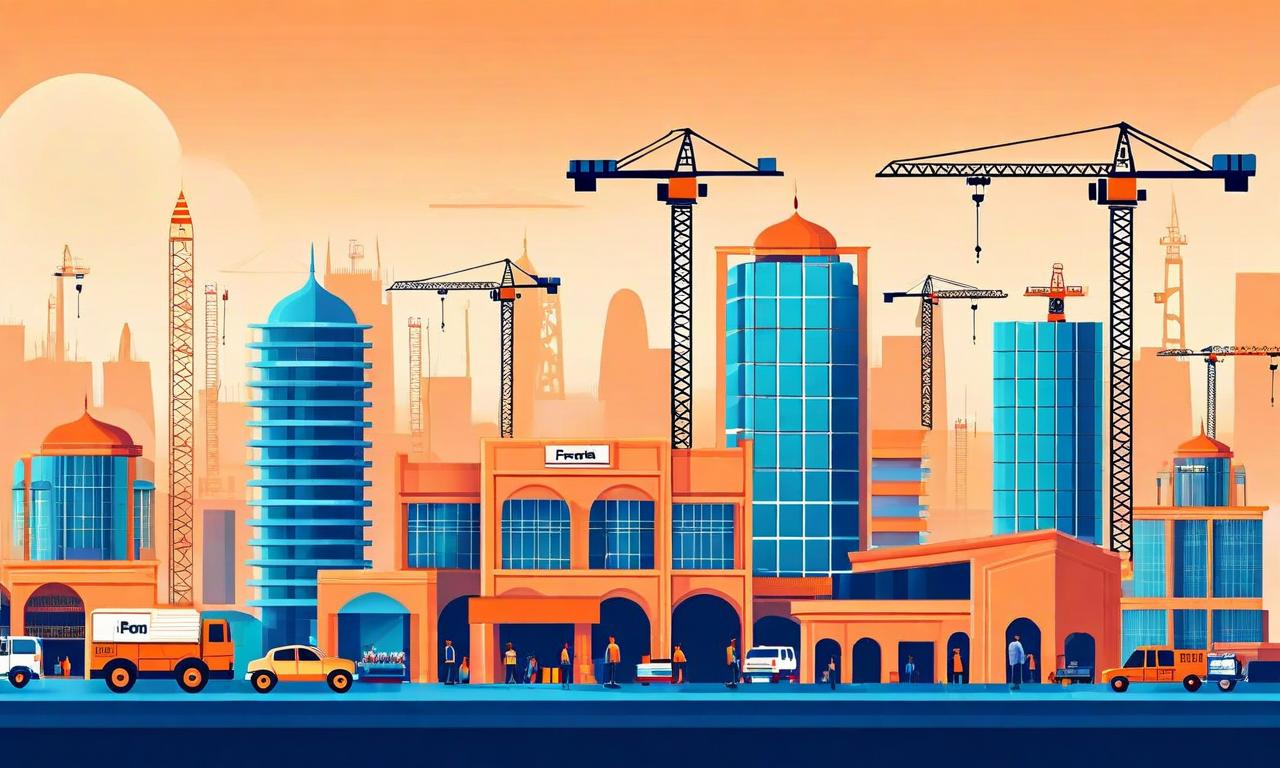
*this image is generated using AI for illustrative purposes only.
With the Union Budget 2026 scheduled for February 1, hospitality industry leaders have presented comprehensive policy recommendations aimed at sustaining growth and improving the sector's long-term competitiveness. The industry stands at what executives describe as a critical juncture, with strengthening demand across multiple segments including domestic travel, religious tourism, weddings, MICE, and medical travel.
Infrastructure Status Recognition
The primary demand from industry leaders centers on granting comprehensive infrastructure status to the hospitality sector. Nikhil Sharma, Managing Director and COO, South Asia, Radisson Hotel Group, emphasized that tourism and hospitality contribute nearly 7-8% to India's GDP and require policy frameworks that recognize hospitality as productive economic infrastructure.
"Granting infrastructure status to hospitality would unlock long-term financing, improve capital efficiency and accelerate quality development beyond metros," Sharma stated. He highlighted that such recognition would enable better access to funding and support expansion in tier-2 and tier-3 cities.
Shwetank Singh, Executive Director, Chalet Hotels Limited, noted the sector's employment contribution while pointing to existing gaps in policy support:
| Employment Impact: | Details |
|---|---|
| Current Jobs Created: | 46.5 million |
| Projected Jobs by 2035: | 64 million |
| Infrastructure Status: | Partial (50 select destinations only) |
Singh explained that while the Union Budget 2025-26 extended infrastructure benefits to hotels in 50 select destinations, broader recognition remains necessary to enable softer financing, lower utility tariffs, and rationalized property taxes.
Tax Rationalization and Financial Reforms
Industry leaders have consistently called for GST rationalization and restoration of input tax credit to improve affordability and competitiveness. Harshal Dilwali, Director and CEO, Clarissa Group, emphasized the need for rationalized GST structures alongside easier access to affordable credit as critical factors for sustaining growth amid rising operating costs and compliance burdens.
K B Kachru, President of Hotel Association of India (HAI) and Chairman – South Asia, Radisson Hotel Group, outlined specific financial reforms needed:
- Full infrastructure status for hotels
- Simplification of approvals through single-window mechanism
- Reinstatement of incentives linked to foreign exchange earnings
- Higher depreciation allowances for hotel assets
Policy Coordination and Development Support
Singh called for stronger Centre-state coordination, suggesting that bringing tourism into the concurrent list could address fragmented policymaking and support holistic destination development. This structural change would enable more coordinated policy implementation across different levels of government.
The industry leaders also emphasized the importance of continued investment in connectivity aligned with tourism clusters, support for sustainable operations, and hospitality-focused skilling initiatives. Dilwali highlighted the need for stronger support for skill development, workforce formalization, and continued public investment in tourism infrastructure and last-mile connectivity to expand demand beyond major cities.
Budget Context
The Union Budget 2026, to be presented on February 1, will mark Finance Minister Nirmala Sitharaman's ninth consecutive Budget presentation. Industry leaders approach this Budget with measured optimism while acknowledging the structural constraints that continue to limit the sector's growth potential.
The hospitality sector's comprehensive demands reflect its significant contribution to GDP, employment generation, and foreign exchange earnings, positioning these policy reforms as essential for unlocking the industry's full economic potential in the coming years.
 16
16