News Stocks Budget 2026 to Focus on Capex Continuity, Jobs and Fiscal Credibility: Anand Rathi's Pradeep Gupta
Budget 2026 to Focus on Capex Continuity, Jobs and Fiscal Credibility: Anand Rathi's Pradeep Gupta


Pradeep Gupta of Anand Rathi expects Budget 2026 to focus on public capex continuity, jobs and human capital, and fiscal credibility. He identifies domestic cyclicals, financials, and select consumption as top sectoral bets, while viewing real estate as a dark horse and IT as a contrarian opportunity. Digital companies will act as productivity multipliers, with copper showing medium-term upside potential.


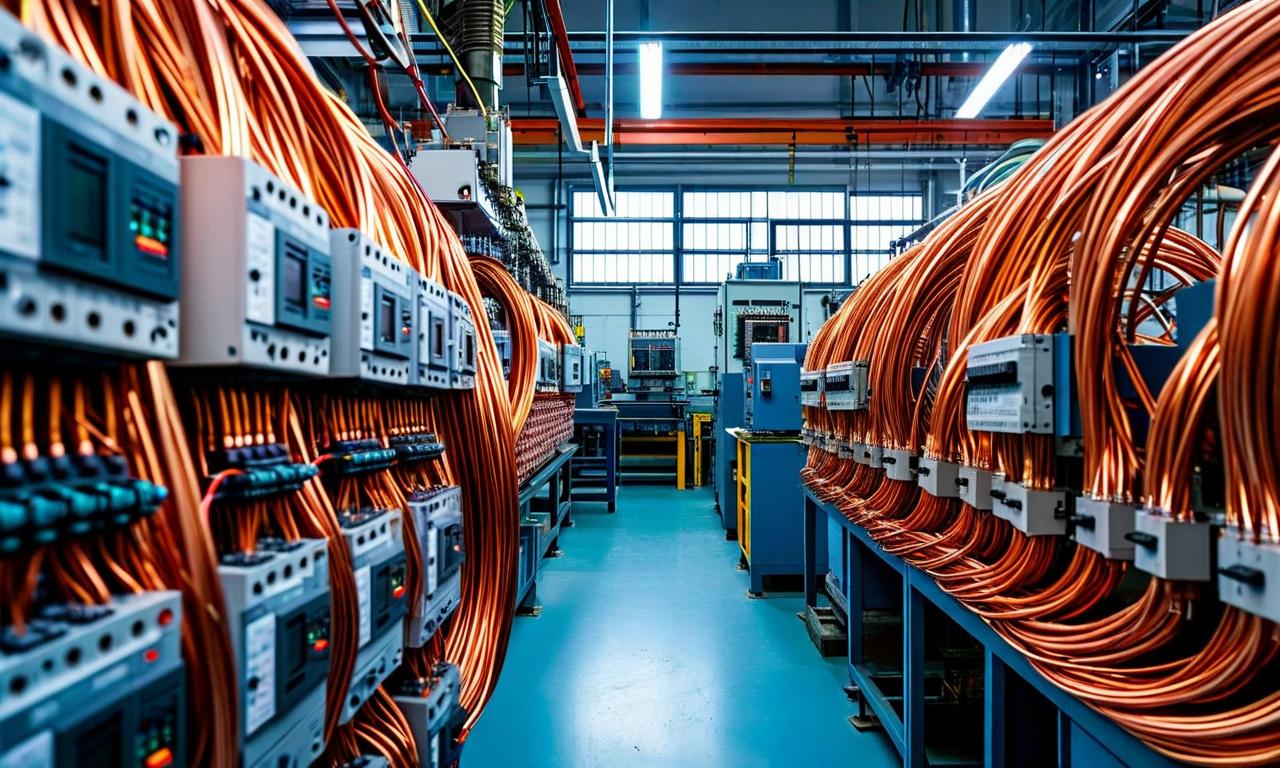
*this image is generated using AI for illustrative purposes only.
Pradeep Gupta, Chairman & MD at Anand Rathi Share & Stock Brokers, anticipates that Budget 2026 will prioritize three critical themes that emphasize sustainable, domestically-driven growth over short-term stimulus measures. His outlook reflects confidence in India's structural growth trajectory while identifying specific sectoral opportunities and challenges ahead.
Budget 2026 Focus Areas
Gupta expects the upcoming budget to concentrate on three fundamental pillars that will shape India's economic direction:
| Priority Area: | Focus Elements |
|---|---|
| Public Capex Continuity: | Infrastructure, defence, energy transition, logistics |
| Jobs & Human Capital: | Skills development, MSME productivity, urban infrastructure |
| Fiscal Credibility: | Maintaining consolidation while preserving growth support |
These priorities collectively reflect an emphasis on durable, domestically-driven growth rather than short-term stimulus measures, according to Gupta's assessment.
Top Sectoral Investment Opportunities
Gupta identifies a clear hierarchy of investment opportunities for the current year, with domestic cyclicals leading the pack. Domestic cyclicals linked to capex and manufacturing emerge as the most compelling bet, supported by sustained public capital expenditure across infrastructure, defence, railways, energy transition, and logistics. Manufacturing growth has stabilized at healthy levels, with private capex gradually becoming visible and balance sheets in capital goods and industrial companies significantly stronger than in previous cycles.
Financials rank second in Gupta's pecking order, particularly well-capitalized banks and select insurers. Credit growth remains robust, driven by retail, MSMEs, and services, while asset quality stays benign and capital adequacy remains comfortable. Return ratios are structurally higher than a decade ago, with financials positioned as direct beneficiaries of formalization and rising financial penetration.
Select consumption rounds out the top three, focusing on premiumization trends rather than broad-based consumption. Companies with pricing power, brand strength, and efficient distribution are better positioned than those dependent purely on volume growth, as premiumization trends in autos, travel, discretionary retail, and services remain intact.
Digital Economy's Productivity Impact
Gupta emphasizes that new-age digital companies will function as productivity multipliers rather than standalone GDP engines. India's digital economy has reached a low-teens share of GDP, with growth rates meaningfully higher than headline GDP growth. Digital platforms including payments, e-commerce, SaaS, logistics-tech, and enterprise software are lowering transaction costs, improving compliance, and expanding market access for MSMEs.
The most visible example is digital public infrastructure, with UPI scaling to over 20.00 billion monthly transactions, bringing millions of small merchants and households into the formal financial system. This transformation improves tax compliance, credit underwriting, and consumption visibility while raising the economy's potential growth rate across sectors.
Sectoral Outlook: Real Estate and IT
Real estate emerges as a potential dark horse in Gupta's analysis, distinguished by its end-user driven upturn rather than speculative activity. Residential registrations in key markets have reached multi-year highs, inventory levels remain moderate, and developers' balance sheets are significantly cleaner. Consolidation has benefited organized players, improving pricing discipline and return ratios.
IT presents a credible contrarian bet, with growth expectations already low, valuations normalized, and headcount growth slowed. Any stabilization in global IT spending, particularly in BFSI and discretionary tech, could lead to operating leverage and earnings upgrades. However, recovery will likely be gradual and uneven, with greater divergence between companies aligned with cloud, data, and AI versus legacy application maintenance.
Commodity and Policy Outlook
Copper shows credible upside risk over the medium term, driven by electrification, renewable energy, electric vehicles, and grid investments. Supply additions face long gestation periods and geopolitical constraints, while even modest demand surprises can tighten the market. Near-term prices will remain volatile, influenced by global growth, China's demand cycle, and inventory movements.
Regarding monetary policy, Gupta considers a move to 4.00% interest rates unlikely under normal conditions, as this would require an additional 125.00 basis points of rate cuts typically seen only during severe growth or financial stress periods. A more realistic scenario involves measured easing where monetary policy remains supportive without becoming excessively accommodative.
 19
19