

Asahi India Glass Partners with Adani Green for 20.8 MW Wind-Solar Hybrid Power Project


Asahi India Glass has partnered with Adani Green Energy to procure 20.8 MW of wind-solar hybrid power from Khavda, Gujarat, with Asahi subscribing to at least 26% equity share capital. The project includes 25 MW solar and 20.8 MW wind capacity, supporting Asahi's goal to shift 70% of energy consumption to renewables by 2030. The company currently consumes 490,877 GJ from renewable sources and has also initiated green hydrogen projects in Rajasthan.

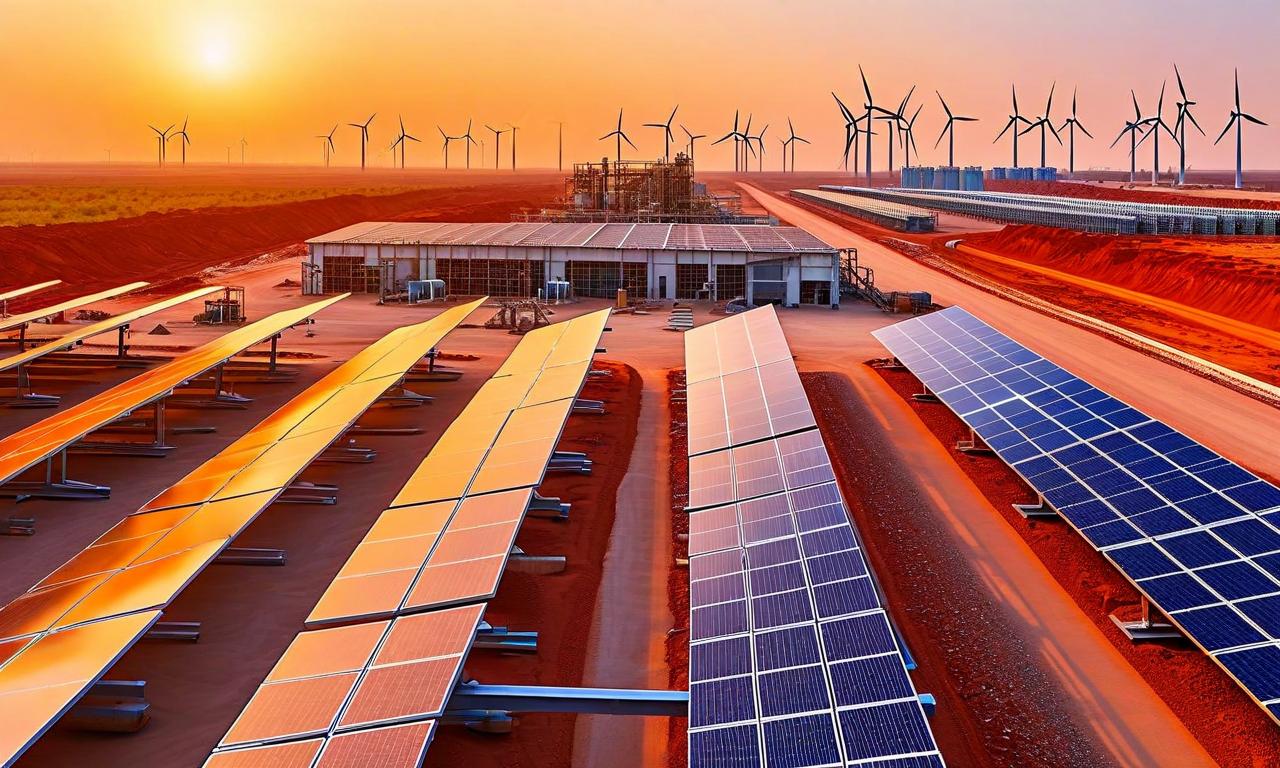

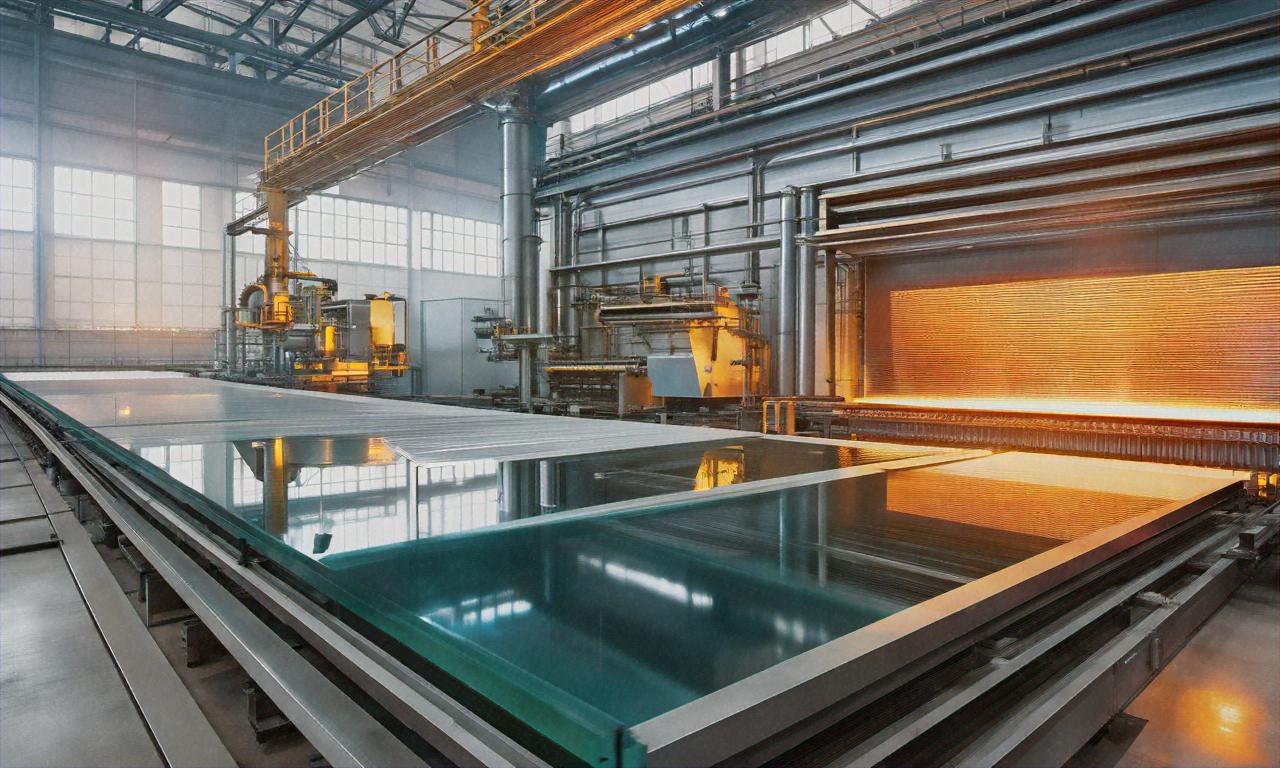
*this image is generated using AI for illustrative purposes only.
Asahi India Glass has signed a comprehensive agreement with Adani Green Energy to procure 20.8 MW of wind-solar hybrid power, marking a significant step in the company's renewable energy transition strategy. The power will be supplied through Adani Green Energy's wholly-owned subsidiary, Adani Green Energy Twenty Five B, from projects located in Khavda, Gujarat.
Project Structure and Investment Details
The hybrid renewable energy project encompasses both solar and wind components, designed to provide reliable clean energy supply. The project specifications and investment structure demonstrate a strategic approach to captive power generation.
| Parameter: | Details |
|---|---|
| Solar Capacity: | 25.00 MW |
| Wind Capacity: | 20.80 MW |
| Project Location: | Khavda, Gujarat |
| Supply Mode: | Captive |
| Minimum Equity Subscription: | 26% of proportionate share |
Under the investment agreement, Asahi India will subscribe to at least 26% of the generator's proportionate equity share capital for the project. This subscription will be executed in one or more tranches to ensure compliance with minimum captive shareholding requirements mandated by regulatory frameworks.
Equity Distribution and Ownership Structure
The ownership structure reflects a strategic partnership model where both companies maintain significant stakes in the project. Upon completion of the project's final phase, the equity distribution will be clearly defined between the partners.
| Stakeholder: | Equity Share | Voting Rights |
|---|---|---|
| Adani Green Energy Subsidiary: | 98.78% | Yes |
| Asahi India Glass: | 1.22% | Yes |
Renewable Energy Strategy and Sustainability Goals
Asahi India Glass, an integrated glass and window solutions company, has established ambitious sustainability targets as part of its long-term business strategy. The company aims to shift up to 70% of its energy consumption to renewable sources by 2030, positioning itself as a leader in sustainable manufacturing practices.
The company's current renewable energy portfolio demonstrates its commitment to clean energy adoption. Asahi India's electricity consumption profile shows significant progress in renewable energy integration.
| Energy Source: | Consumption (GJ) |
|---|---|
| Solar and Wind: | 490,877.00 |
| Grid-based Electricity: | 726,771.00 |
Green Hydrogen Initiatives and Expansion
Beyond wind and solar power procurement, Asahi India has diversified its clean energy initiatives to include green hydrogen projects. The company has commissioned a green hydrogen initiative at its Soniyana float glass facility in Rajasthan, demonstrating its comprehensive approach to decarbonization.
Additionally, the company has signed a 20-year contract with Inox Air to procure 95.00 tons of green hydrogen annually for its new greenfield float glass facility in Chittorgarh district, Rajasthan. This long-term commitment underscores the company's strategic focus on sustainable energy solutions across its manufacturing operations.
Industry Trend and Market Context
The commercial and industrial sector is experiencing increased adoption of renewable energy procurement strategies. Businesses are actively augmenting their power procurement from renewable sources to reduce reliance on expensive grid power and enhance their sustainability profiles. This trend reflects growing awareness of both economic and environmental benefits associated with clean energy adoption.
Source: https://www.mercomindia.com/asahi-india-glass-to-procure-20-8-mw-wind-solar-power-from-adani-green
Historical Stock Returns for Asahi India Glass
| 1 Day | 5 Days | 1 Month | 6 Months | 1 Year | 5 Years |
|---|---|---|---|---|---|
| -0.13% | -1.81% | -8.78% | -5.40% | +36.00% | +167.58% |
 15
15







 Access 50+ Readymade Screeners
  Use 200+ Custom Filters
  Get Full Market Insights





