

MV Electrosystems IPO: ₹201+ Crore Issue, Timeline & Key Details


MV Electrosystems files DRHP for ₹201+ Cr IPO. Key highlights include ₹738.76 Cr order book and CLW approval. Risks include FY26 net loss of ₹12.63 Cr and high customer concentration. IPO opens July 30, 2026.


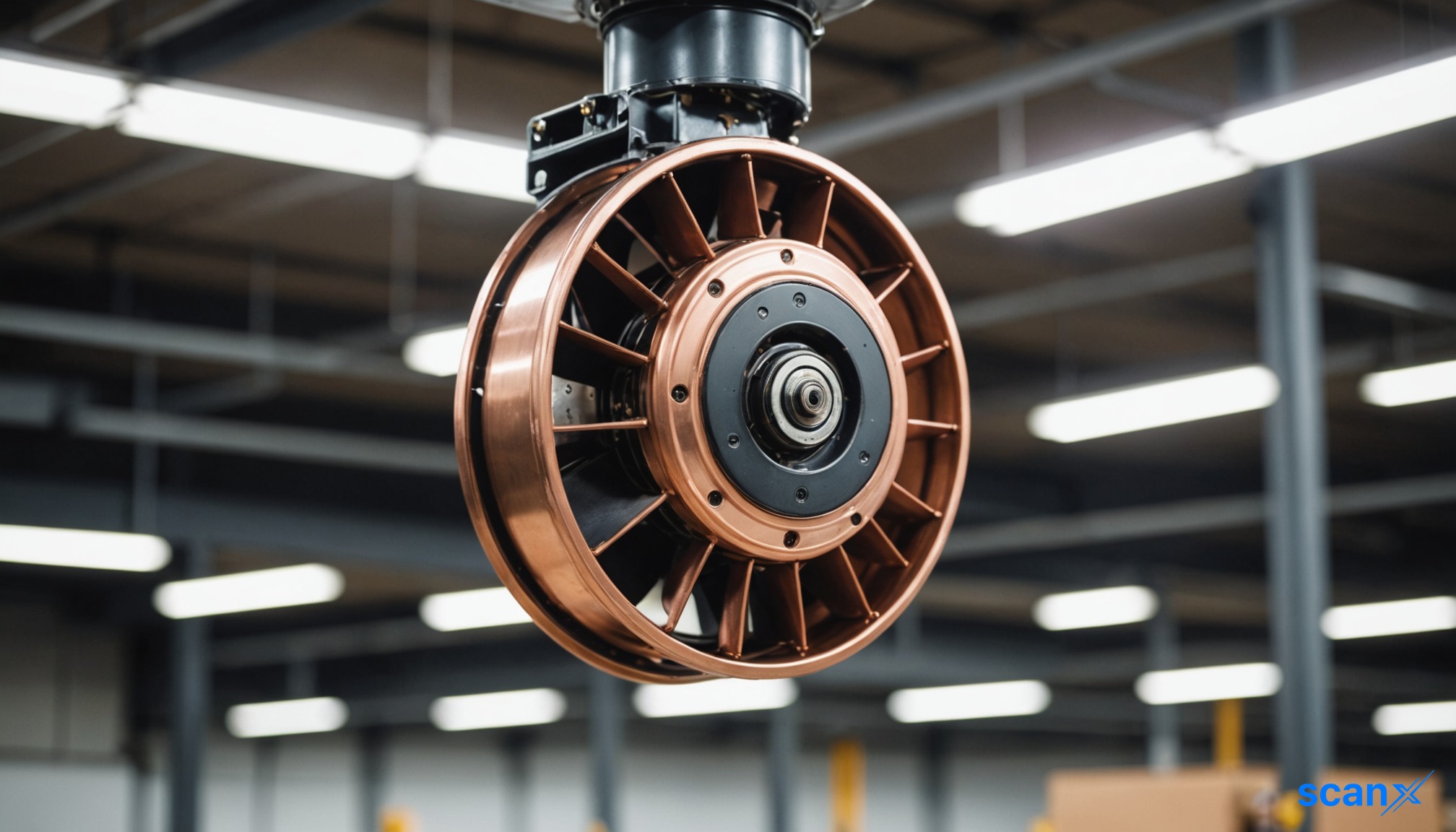
*this image is generated using AI for illustrative purposes only.
MV Electrosystems Limited, a specialist in railway power electronics equipment, has filed its Draft Red Herring Prospectus (DRHP) with the Securities and Exchange Board of India (SEBI). The company is planning an Initial Public Offering (IPO) with a total issue size of ₹201.00 Crore+, comprising a fresh issue of ₹180.00 Crore for working capital and ₹21.00 Crore for research and development. This move marks a significant milestone for the Faridabad-based firm, which recently secured approval from Chittaranjan Locomotive Works (CLW) for its IGBT-based 3-Phase Drive Propulsion Equipment.
Company Overview
MV Electrosystems Limited is engaged in the design, development, assembly, and manufacturing of electrical and power electronics equipment for railway rolling stock. Headquartered in Faridabad, Haryana, the company holds a unique position as one of the few domestic manufacturers of IGBT-based 3-Phase Drive Propulsion Equipment for electric locomotives.
Key business verticals include:
- IGBT-Based 3-Phase Drive Propulsion Equipment for electric locomotives.
- Switchgear Panels for railway coaches and EMUs.
- Cable Protection & Management Products.
- Electrical Components, Systems & Sub-Systems for railway applications.
The company received critical approval from CLW, Indian Railways, in September 2025 for its in-house developed propulsion system and commenced commercial supplies in March 2026. Indian Railways remains the dominant customer, contributing 76.72% of revenue from operations in FY2026.
Offer Details
The IPO is structured as a fresh issue with no Offer for Sale (OFS). The proceeds are earmarked for strengthening the balance sheet and funding future growth initiatives.
| Parameter | Details |
|---|---|
| Total Issue Size | ₹201.00 Crore+ |
| Fresh Issue | ₹180.00 Crore (Working Capital) + ₹21.00 Crore (R&D) |
| Offer for Sale (OFS) | Nil |
| General Corporate Purposes | Up to 25% of gross proceeds |
| IPO Opening Date | 30-Jul-2026 |
| IPO Closing Date | 03-Aug-2026 |
| Allotment Date | 04-Aug-2026 |
| Listing Date | 06-Aug-2026 |
Objects of the Issue:
- Working Capital: ₹180.00 Crore to fund long-term working capital requirements, including procurement of raw materials and managing credit cycles for FY2027 and FY2028.
- R&D Investment: ₹21.00 Crore for research, design, and development of new power electronic equipment.
- General Corporate Purposes: Up to 25% of gross proceeds for routine business execution and contingencies.
Financial Highlights
The company’s financials reflect a transition phase, with heavy investments in R&D and capacity building leading to a net loss in FY2026. However, the order book provides significant revenue visibility.
| Metric | FY2026 | FY2025 | FY2024 |
|---|---|---|---|
| Revenue from Operations | ₹49.43 Cr | ₹62.64 Cr | ₹49.96 Cr |
| Total Revenue | ₹49.79 Cr | ₹64.64 Cr | ₹50.56 Cr |
| Total Expenses | ₹66.59 Cr | ₹62.24 Cr | ₹49.47 Cr |
| Profit Before Tax (PBT) | -₹16.80 Cr | ₹2.56 Cr | ₹1.02 Cr |
| Net Profit / (Loss) (PAT) | -₹12.63 Cr | ₹1.40 Cr | ₹0.56 Cr |
Key Observations:
- Revenue from operations declined by approximately 21.10% from ₹62.64 Cr in FY2025 to ₹49.43 Cr in FY2026.
- The company reported a net loss of ₹12.63 Cr in FY2026, compared to a profit of ₹1.40 Cr in FY2025, due to heavy R&D and transition investments.
- Outstanding purchase orders aggregate ₹7,376.60 million (₹737.66 Crore) for 450 units of 3-Phase Propulsion Equipment as of FY2026. Note: DRHP also cites ₹738.76 Crore order value in executive summary.
Risk Factors
Investors should consider the following material risks highlighted in the DRHP:
- Customer Concentration Risk: Indian Railways constituted 76.72% of revenue from operations in FY2026. Cancellation or delay of orders could materially impact the business.
- Order Execution Risk: The company has a large outstanding order book of ₹737.66 Crore. Inability to execute these orders due to capacity or working capital constraints poses a significant risk.
- Negative Operating Cash Flow: The company reported negative cash flows from operating activities of ₹57.55 Cr in FY2026, reflecting high working capital intensity.
- Import Dependency: Critical raw materials like IGBTs and semiconductors are imported from countries including China, UK, Hong Kong, and Singapore, exposing the company to supply chain disruptions.
- Supplier Concentration: The top supplier constituted 39.24% of total cost of materials consumed in FY2026.
Valuation & Peer Comparison
As this is a DRHP filing, the price band and final valuation metrics are not yet available. The company is currently loss-making in FY2026, making traditional P/E valuation challenging. Valuation will likely be driven by the size of the order book (₹737.66 Crore), which is approximately 14.9x the FY2026 revenue from operations, and the strategic value of its CLW-approved technology. Peer comparison data is not provided in the current DRHP extract.
Bottom Line
MV Electrosystems Limited presents a case of a specialized niche player transitioning into high-value propulsion equipment manufacturing. The IPO offers exposure to the Make in India initiative in the railway sector, supported by a substantial order book. However, investors must weigh the potential rewards against current losses, negative operating cash flows, and high customer concentration risk. The success of the IPO will largely depend on the company's ability to execute its large order book efficiently.

How will MV Electrosystems mitigate the risk of supply chain disruptions for critical imported components like IGBTs amidst ongoing geopolitical tensions?
What specific strategies does the company have in place to diversify its customer base beyond Indian Railways, which currently accounts for over 76% of its revenue?
Given the significant working capital requirements, how will the company manage cash flow constraints while executing its ₹737 Crore order book without further diluting equity?
 20
20




 Access Market Heat-map & Insights
  Create, Save & Share your Screener
  Use 200+ Screening Filters





