India's IPO Market Delivers Record $417 Million in Underwriting Fees

2 min read     Updated on 12 Jan 2026, 09:59 AM
scanx
Reviewed by
Riya DScanX News Team
Overview

India's investment banking sector earned a record $417 million in IPO underwriting fees during 2024, with average rates rising to 1.86% from 1.67% the previous year. The country's IPO market raised $21.6 billion, surpassing the previous year's record of $21.3 billion equivalent. Axis Bank led with $34.3 million in fees, while Motilal Oswal Financial Services achieved a 396% fee income surge, reflecting the market's shift toward value-based partnerships over price-driven transactions.


29737754

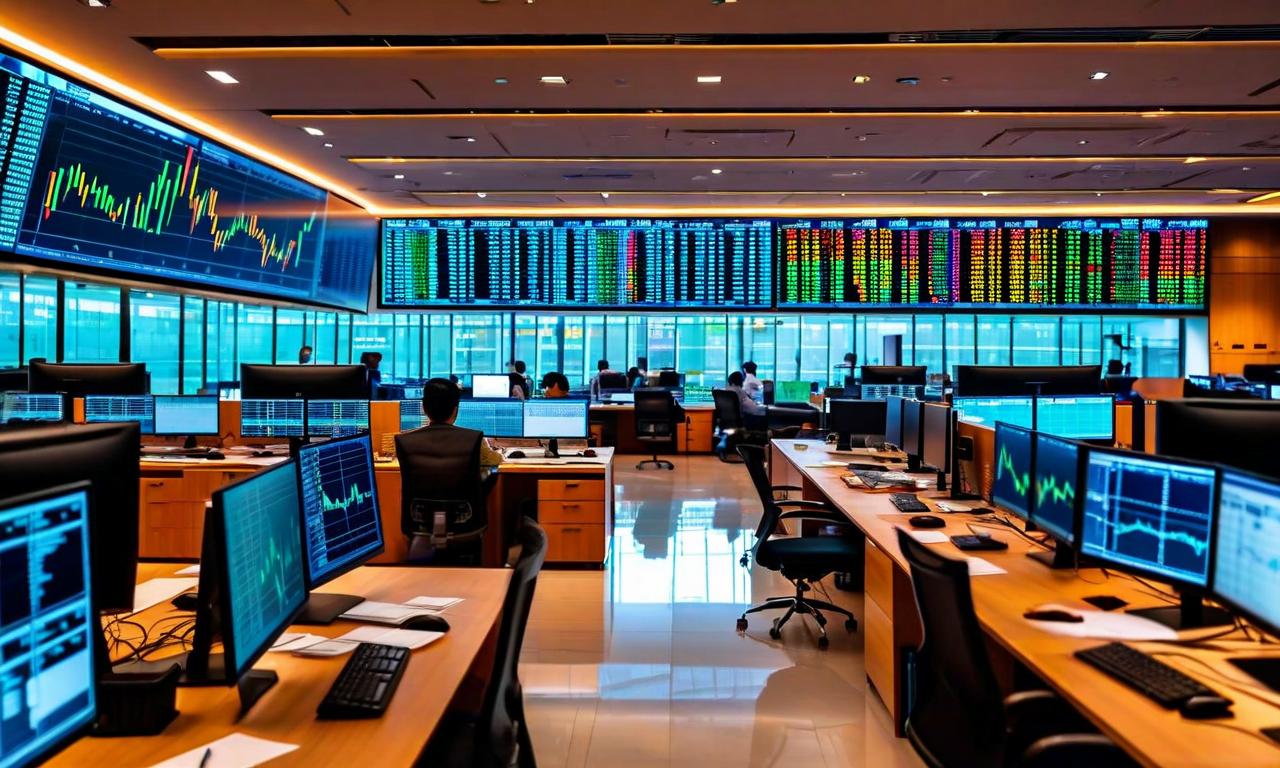
*this image is generated using AI for illustrative purposes only.

Investment banks operating in India achieved record earnings of $417 million in IPO underwriting fees during 2024, marking a significant milestone as the country's capital markets continue their robust expansion. This unprecedented fee income reflects both the surge in stock listings and a fundamental shift in India's business culture away from purely price-driven transactions toward value-based partnerships.

Fee Structure Shows Market Maturation

The average fee structure demonstrates India's evolving market dynamics:

Fee Metrics 2024 2023 Comparison
Average IPO Fee Rate 1.86% 1.67% +0.19% increase
Total Underwriting Fees $417 million Not specified Record high
Comparison to Hong Kong 1.86% 1.5% (Hong Kong) +0.36% premium

This fee increase occurred alongside India's IPO market reaching an all-time high for the second consecutive year. The higher rates indicate a maturing local capital market where companies demonstrate willingness to pay premium prices for comprehensive services rather than basic deal execution.

Record Fundraising Activity

India's IPO market performance in 2024 established new benchmarks:

Market Performance Amount
Total Funds Raised ₹1.95 trillion ($21.6 billion)
Previous Year Record ₹1.73 trillion
Global Ranking Among world's busiest IPO markets

The sustained growth stems from multiple factors including an expanding retail investor base, consistent institutional appetite, and regulatory initiatives designed to streamline the listing process for companies.

Leading Investment Banks Capture Premium Fees

The competitive landscape among IPO advisors revealed clear winners:

Investment Bank Underwriting Fees Performance
Axis Bank $34.3 million Market leader
Kotak Mahindra Bank $32.7 million Second position
IIFL Capital Services Not specified 90% fee income increase
Motilal Oswal Financial Services Not specified 396% fee income surge

These results demonstrate how the steady flow of deals has strengthened bankers' pricing power after years of intense competition. The market shift reflects companies' preference for long-term partnerships over transactional relationships.

Strategic Transformation in Client Relationships

The fee increase represents more than numerical growth—it signals a fundamental change in how companies approach IPO partnerships. Leading companies now seek comprehensive support spanning pre-listing equity story development, transaction execution, and post-IPO liquidity management. This evolution from basic distribution services to strategic advisory relationships has enabled investment banks to command higher fees while delivering enhanced value propositions.

Market Outlook and Pricing Discipline

Despite recent improvements, industry experts note that India remains a relatively low-fee market on a global basis, particularly for large issuers. However, analysts anticipate further fee rate increases driven by a larger share of standardized IPOs and a robust deal pipeline that reduces pressure for aggressive fee discounting. This healthier market dynamic supports more balanced fee approaches, moving away from mandates won purely on price considerations toward comprehensive service quality evaluations.

like15
dislike

IPO Grey Market Premium Explained: Understanding Demand Indicators and Market Dynamics

2 min read     Updated on 10 Jan 2026, 11:39 PM
scanx
Reviewed by
Riya DScanX News Team
Overview

Grey Market Premium (GMP) operates as an unofficial IPO trading mechanism where shares are exchanged before official listing through unregulated broker networks. While GMP provides demand-driven insights into potential listing prices based on subscription levels and market sentiment, it lacks regulatory oversight and cannot reliably predict actual listing performance.

29614198

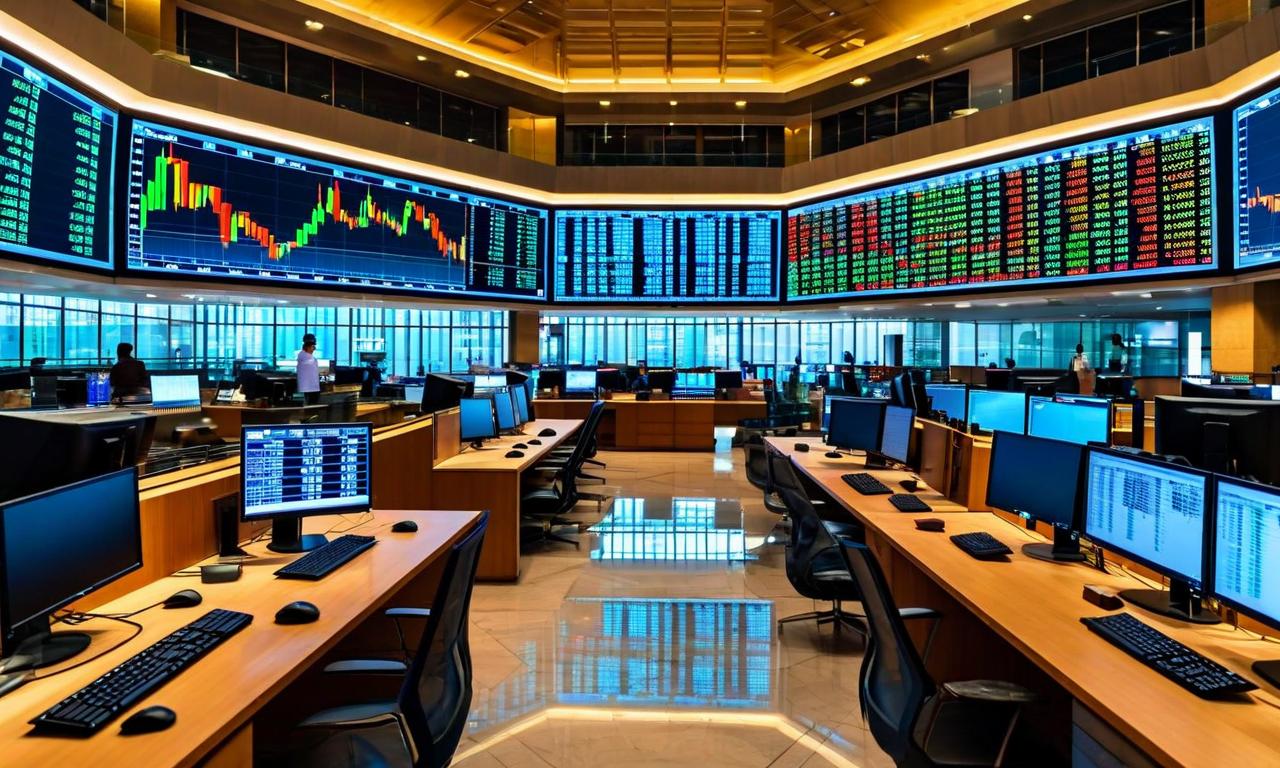
*this image is generated using AI for illustrative purposes only.

Grey Market Premium (GMP) has emerged as a significant unofficial indicator in India's IPO landscape, reflecting investor sentiment and demand expectations before shares officially list on stock exchanges. This parallel marketplace operates independently of regulatory frameworks, offering insights into potential listing prices through demand-driven premium calculations.

Understanding Grey Market Premium

Grey Market Premium represents the additional amount investors are willing to pay for IPO shares in the unofficial market before official listing. This premium serves as an informal indication of expected listing prices, though it operates without support or regulation from stock exchanges or SEBI. The grey market functions as a parallel ecosystem where IPO applications and allocated shares change hands based purely on supply-demand dynamics.

Parameter Details
Market Type Unofficial parallel marketplace
Regulation No regulatory oversight
Payment Method Primarily cash transactions
Basis Mutual trust between parties
Price Determination Supply and demand dynamics

Trading Mechanisms in Grey Markets

The grey market operates through unofficial broker networks that facilitate matching between buyers and sellers. These brokers charge commissions for their services while maintaining complete anonymity through cash transactions. Two primary trading scenarios emerge in this ecosystem.

Investors can sell their IPO applications before allotment results are announced, with buyers paying premiums while speculating on successful allotment outcomes. Additionally, after allotment but before listing, investors can sell their allocated shares at negotiated premiums, with actual transfers completed once shares officially list on exchanges.

Factors Influencing GMP Calculations

No standardized formula exists for calculating Grey Market Premium, as multiple dynamic factors influence pricing decisions. Subscription levels serve as primary indicators, with highly subscribed IPOs typically attracting higher premiums due to increased demand expectations.

Influencing Factor Impact on GMP
High IPO Demand Higher GMP
Low IPO Demand Lower GMP
Negative Company News Reduced GMP despite high subscription
Weak Market Sentiment Suppressed GMP levels
Strong Market Conditions Enhanced GMP potential

Market sentiment plays a crucial role, with negative news surrounding companies or weak overall market conditions potentially suppressing GMP levels despite strong subscription figures. This demonstrates the complex interplay between quantitative metrics and qualitative market perceptions.

IPO Process and Grey Market Context

Initial Public Offerings represent the transition of private companies to public ownership through stock exchange listings. Companies utilize IPOs to raise capital for growth initiatives, debt repayment, or other strategic purposes, while enabling early investors to realize returns on their investments.

The IPO process involves comprehensive preparation including underwriting arrangements, regulatory filings, prospectus development, and investor roadshows. Once launched, public investors can participate through bidding processes while awaiting allotment results. During this period, grey market activity intensifies as investors seek insights into potential listing performance.

Risk Considerations and Limitations

Grey Market Premium operates entirely outside official regulatory frameworks, creating inherent risks for participants. The absence of regulatory oversight means transactions depend solely on mutual trust between parties, with no recourse mechanisms for disputes or defaults.

Moreover, GMP cannot be considered a reliable predictor of actual listing performance, as official market dynamics may differ significantly from grey market expectations. Multiple factors including market conditions, institutional investor behavior, and broader economic sentiment can influence actual listing prices independently of grey market premiums.

Source: https://www.etnownews.com/markets/ipo-gmp-explained-can-grey-market-premium-really-predict-listing-gains-demand-hype-and-numbers-behind-it-article-153428016

like20
dislike
More News on IPO Market
Explore Other Articles