

Carver Roboweld IPO DRHP: ₹11.99 crore for robot expansion; debt repayment of ₹8.60 crore


- Carver Roboweld Limited files DRHP for SME IPO with subscription opening on 28-Oct-2026.
- ₹11.99 crore allocated to expand welding robot fleet from 12 to 39 units; ₹8.60 crore for debt repayment.
- Standalone revenue grew to ₹27.02 crore in FY2026 with PAT margins rising to 12.83%.
- Key risks include 100% revenue dependence on forging industry and high customer concentration.

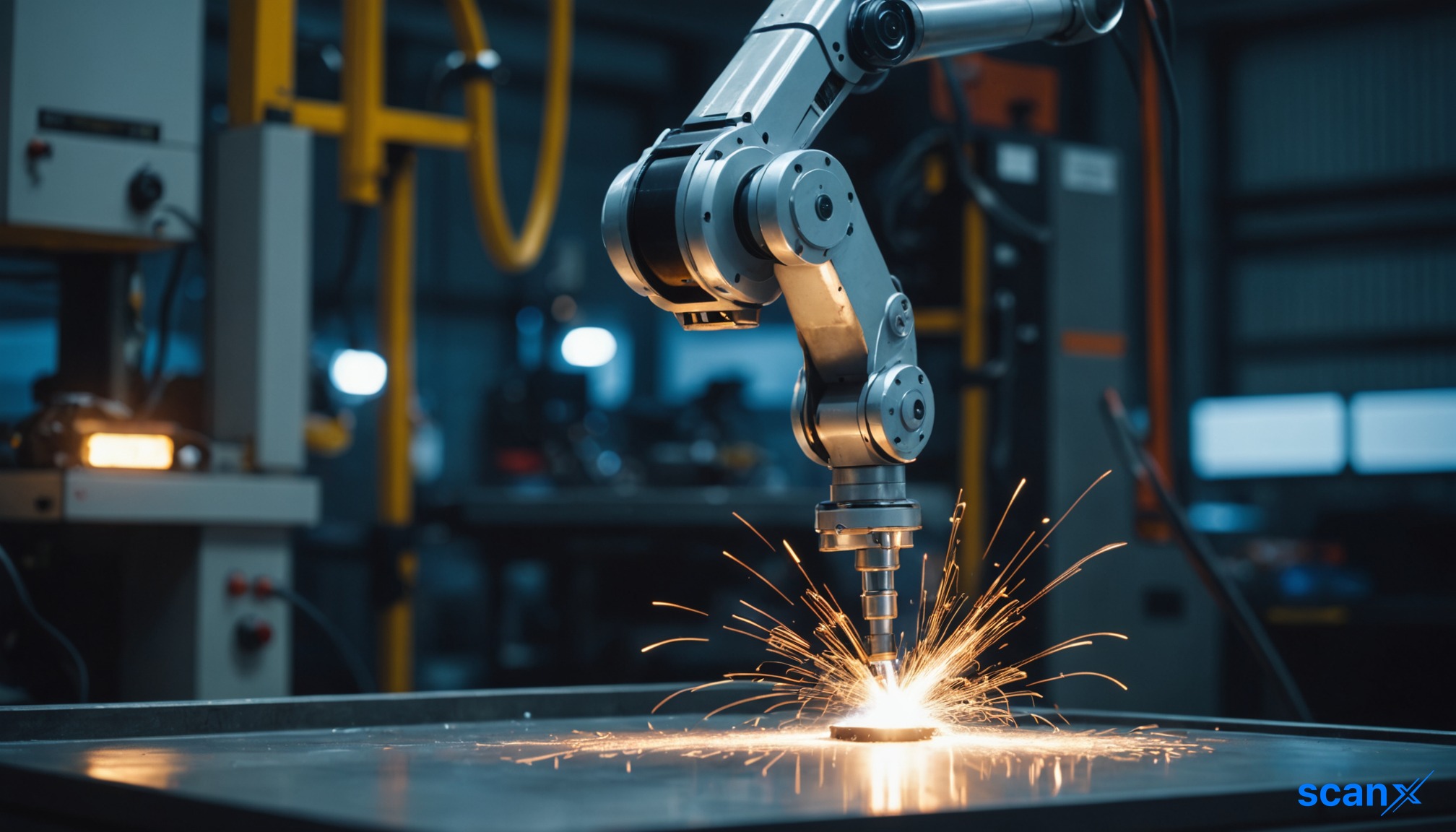

*this image is generated using AI for illustrative purposes only.
Carver Roboweld Limited, an ISO 9001:2015 certified manufacturer of welding consumables, has filed its Draft Red Herring Prospectus for an SME IPO. The Rajkot-based company plans to open its subscription window on October 28, 2026, aiming to expand its unique robot rental model and strengthen its balance sheet through debt repayment.
About the Company
Founded in 2009, Carver Roboweld Limited specializes in the manufacture and supply of welding consumables, including Metal Cored Wires, Welding Rods, and Gouging Electrodes. The company operates from a primary manufacturing facility in Bamanbore, Rajkot, Gujarat, supported by service units in Pune, Hosur, and Ludhiana. It serves customers across more than 14 states, with Karnataka, Maharashtra, and Tamil Nadu contributing over 85% of its revenue.
A key differentiator for Carver Roboweld is its welding robot rental services. The company currently owns 12 welding robots deployed on a rental-cum-captive-consumables model, where lessees are contractually required to use the company’s metal-cored wires. This structure creates recurring revenue streams. In September 2025, the company acquired Carver Engineering Private Limited, extending its operations into plant reconditioning and refurbishment services for sectors like forging, cement, steel, power, and automotive.
Financial Performance
The company has demonstrated steady top-line growth and significant improvement in profitability metrics on a standalone basis. Revenue from operations increased from ₹21.67 crore in FY2024 to ₹27.02 crore in FY2026, reflecting a CAGR of approximately 11.73%. Profit After Tax (PAT) surged from ₹1.01 crore in FY2024 to ₹3.48 crore in FY2026, driven by operating leverage.
| Particulars | FY2024 (₹ Cr) | FY2025 (₹ Cr) | FY2026 (₹ Cr) | Q1 FY2027 (₹ Cr) |
|---|---|---|---|---|
| Revenue from Operations | 21.67 | 24.86 | 27.02 | 7.71 |
| Profit After Tax (PAT) | 1.01 | 1.45 | 3.48 | 1.49 |
| PAT Margin (%) | 4.66% | 5.81% | 12.83% | 19.33% |
| Total Assets | 21.59 | 32.69 | 38.26 | 39.45 |
| Total Equity | 3.11 | 4.56 | 16.13 | 17.62 |
Consolidated financials, which include the newly acquired subsidiary, show revenue of ₹32.70 crore and PAT of ₹5.33 crore for FY2026. The standalone debt-to-equity ratio improved substantially from 6.17x in FY2025 to 1.37x in FY2026, aided by equity infusion and improved profitability.
Why the Company Is Raising Funds
The proceeds from the fresh issue are earmarked for two primary purposes:
- Capital Expenditure: ₹11.99 crore will be used to purchase additional welding robots (ABB1520 and ABB2600 models integrated with EWM Phoenix XQ R 500 puls welding power sources). This investment aims to expand the robot fleet from 12 to 39 units, scaling the high-margin rental business.
- Debt Repayment: ₹8.60 crore is allocated for the repayment and/or prepayment of outstanding borrowings. This move is intended to reduce indebtedness, improve the debt-equity ratio, and lower finance costs.
The balance of net proceeds will be utilized for general corporate purposes, including acquisition of fixed assets, marketing, and working capital requirements.
Business Strengths
- Recurring Revenue Model: The captive robot rental model ensures consistent demand for the company’s metal-cored wires, creating predictable cash flows.
- Experienced Management: Promoters possess nearly 16 years of experience in the welding industry, providing deep domain expertise.
- Quality Certifications: The company holds ISO 9001:2015 certification and is a Sustaining Corporate Member of the American Welding Society (AWS), enhancing credibility with industrial clients.
- Strategic Expansion: The acquisition of Carver Engineering Private Limited diversifies the revenue base beyond welding consumables into plant reconditioning services.
Key Risks
- Customer Concentration: The top 10 customers contributed 86.73% of revenue in Q1 FY2027, with the single largest customer accounting for up to 43.36%. Loss of these key accounts could materially impact revenues.
- Industry Dependence: The company derives 100% of its revenue from the forging industry. Any downturn in this sector could directly affect business performance.
- Cash Flow Volatility: The company reported negative operating cash flows of ₹2.65 crore (standalone) in FY2026, although Q1 FY2027 showed a recovery with positive flows.
- Regulatory Compliance: The DRHP notes discrepancies and delayed filings with the Registrar of Companies (ROC), with some delays up to 491 days, posing potential regulatory risks.
Important IPO Dates
- IPO Opening Date: 28-Oct-2026
- IPO Closing Date: 30-Oct-2026
Bottom Line
Carver Roboweld Limited presents a growth story centered on expanding its differentiated robot rental fleet and strengthening its balance sheet through debt repayment. While the company shows strong margin expansion and a unique captive revenue model, investors must weigh these against high customer concentration, complete dependence on the forging sector, and historical cash flow volatility.

How will the expansion of the robot fleet from 12 to 39 units impact the company's ability to diversify its customer base and reduce the current 43% revenue concentration on its largest client?
Given the company's 100% revenue dependence on the forging sector, what strategies are in place to mitigate risks if the Indian manufacturing cycle enters a downturn post-IPO?
Will the acquisition of Carver Engineering Private Limited successfully integrate plant reconditioning services to create cross-selling opportunities that stabilize cash flows against the volatility seen in FY2026?
 16






 Access Market Heat-map & Insights
 Create, Save & Share your Screener
 Use 200+ Screening Filters





