

Micron, SanDisk trade at lowest multiples in Nasdaq 100


Micron Technology and SanDisk Corp are trading at low forward earnings multiples following sharp corrections in July, despite significant year-to-date gains. Micron is down 23.3% in July but up 208% in 2026, while SanDisk has dropped 35.7% this month but remains up 504% for the year. Historical patterns suggest low multiples in the memory sector often precede earnings declines, though some investors believe structural AI demand could break this cycle.


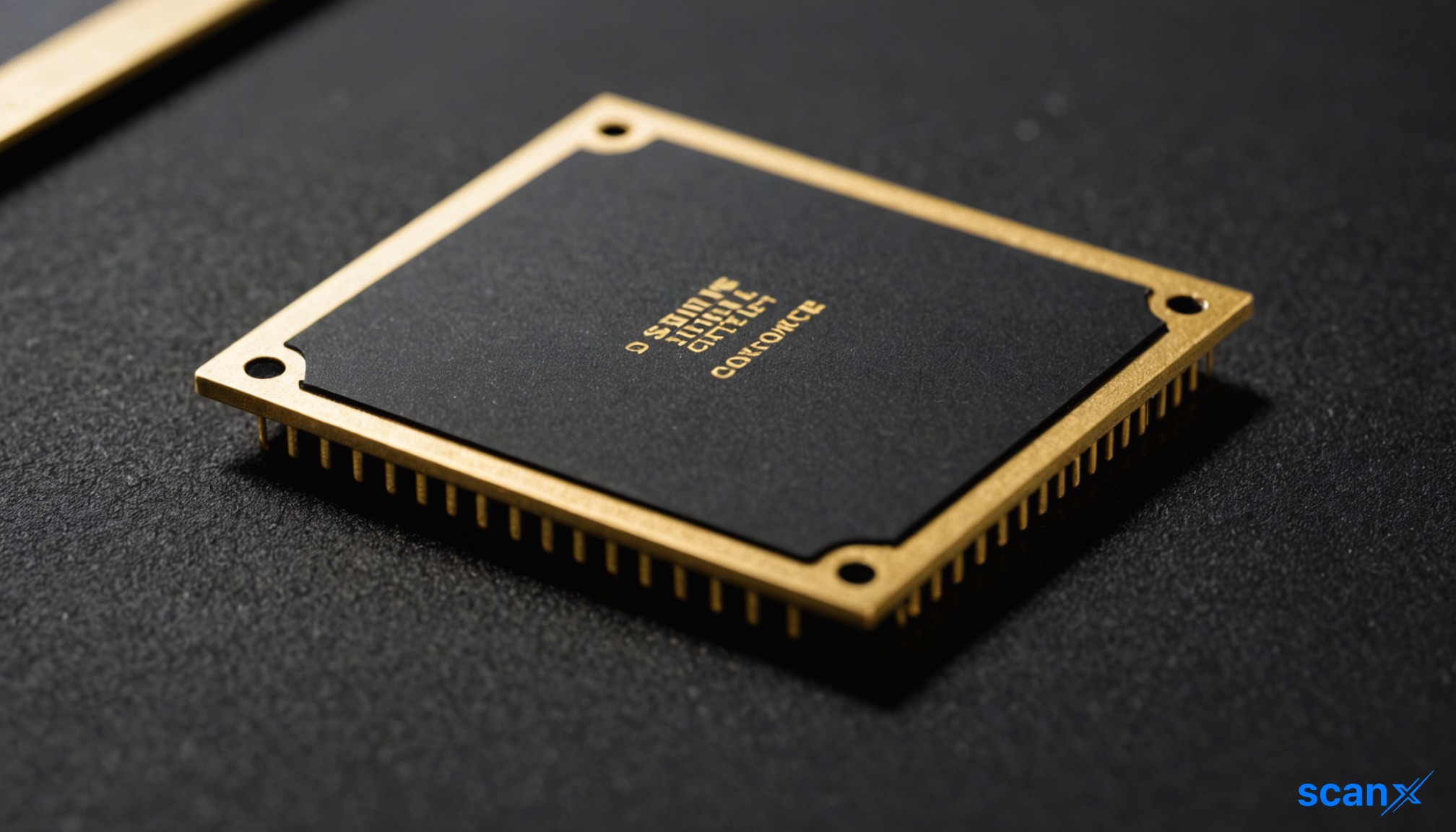
*this image is generated using AI for illustrative purposes only.
Micron Technology and SanDisk Corp are trading at the lowest forward earnings multiples in the Nasdaq 100, even after significant rallies earlier this year. The decline in valuation comes as both stocks experience sharp corrections in July, raising questions about whether the current multiples represent a discount or a warning sign of future earnings declines.
Micron Technology trades at 6.2 times forward earnings, making it the second-cheapest stock in the index behind Strategy Inc. The stock is down 23.3% month-to-date in July, putting it on pace for its worst month since June 2022. Despite the recent pullback, the stock is still up 208% in 2026, following a rally of nearly 2,000% from its 2025 lows to its June highs.
SanDisk Corp has experienced an even steeper decline, falling 35.7% this month and 24.7% this week alone. This represents its worst weekly drop since March 2025. The stock currently sits at 8.1 times forward earnings but remains up 504% year-to-date.
| Company | Forward Earnings Multiple | YTD Performance | July Performance |
|---|---|---|---|
| Micron Technology | 6.2x | +208% | -23.3% |
| SanDisk Corp | 8.1x | +504% | -35.7% |
Historical Context and Market Cycles
Memory is considered the most cyclical sector within semiconductors. The construction of new fabrication plants requires two to three years and tens of billions of dollars, often resulting in supply arriving late to meet demand. Historically, a collapsing forward multiple has served as a warning rather than a discount, signaling that the market expects underlying earnings to fall further.
Micron Technology previously peaked near $64 in May 2018 at roughly 4.5 times forward earnings during a highly profitable period. The stock subsequently fell 57% by December as DRAM prices declined, and revenue dropped 23% the following year. In that instance, the low multiple was pricing the peak rather than offering value.
The Bull Case for AI Demand
The current bull case argues that this cycle will deviate from historical patterns due to structural demand for artificial intelligence. High-bandwidth memory is reportedly contracted years in advance at locked prices and is effectively sold out. Previous market busts originated in the spot market, a factor that proponents believe differentiates the current environment. If AI demand proves to be structural, these stocks may warrant higher multiples rather than the compressed valuations currently observed.

Will the structural demand for AI high-bandwidth memory be sufficient to offset the historical cyclical risks of the semiconductor sector?
How will the long lead times for new fabrication plants impact supply levels if AI demand contracts faster than anticipated?
Are the current low forward earnings multiples signaling an impending peak in earnings similar to the 2018 market cycle?
 17
17






 Access 50+ Readymade Screeners
  Use 200+ Custom Filters
  Get Full Market Insights





