

Rick Scott warns Chinese ownership of US brands threatens national security


Senator Rick Scott warned that Chinese ownership of US brands and supply chains threatens national security, citing potential surveillance through household goods. His comments coincide with the Trump administration proposing new tariffs on 60 economies and securing an agricultural agreement with China.

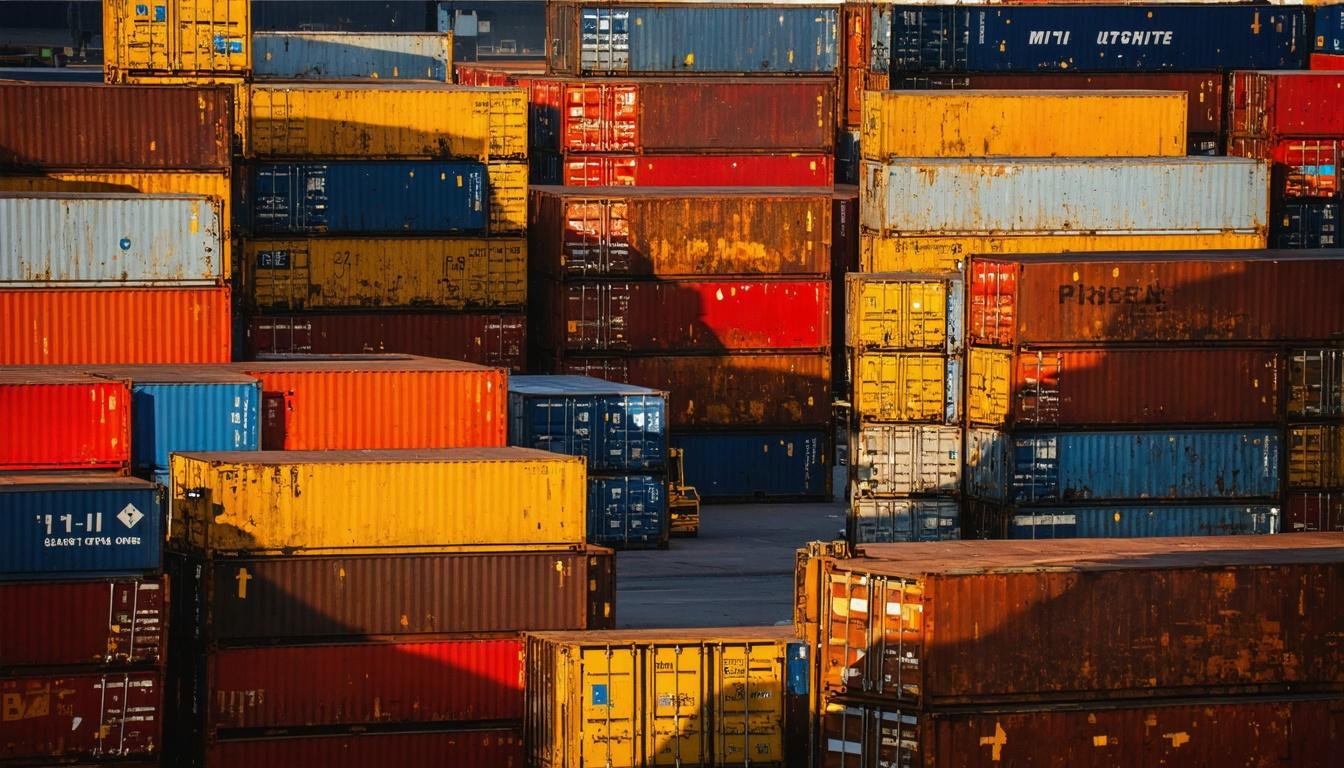

*this image is generated using AI for illustrative purposes only.
Senator Rick Scott warned on Monday that growing Chinese ownership of US brands and supply chains poses a threat to national security, urging a shift toward domestic manufacturing. In a post on X, Scott stated that the "Made in America" label is no longer sufficient and claimed that "Communist China is buying up brands Americans know and trust." He further alleged that household goods could be used for surveillance, though he did not provide specific examples.
The Senator's remarks align with broader trade actions taken by the Trump administration. The US Trade Representative’s office has proposed new tariffs on imports from 60 economies following a Section 301 investigation into unfair trade practices. The proposal includes 10% tariffs on 15 trading partners, such as the European Union, Canada, Mexico, and the United Kingdom. Another 45 economies, including China and India, face potential duties of 12.5%.
US Trade Representative Jamieson Greer characterized the failure to address forced labor imports as "unacceptable," arguing that it disadvantages American workers. The proposed tariffs target concerns regarding forced labor practices within global supply chains.
Separately, President Donald Trump brokered an agricultural agreement with China requiring Beijing to purchase at least $17 billion in US farm products annually through 2028. During the same visit, Trump and Chinese President Xi Jinping established two new institutions: the U.S.-China Board of Trade and the U.S.-China Board of Investment. These bodies are designed to manage goods flows and investment disputes.
The White House stated that this framework represents the first formal trade and investment mechanism between the two economies. Additionally, China’s Commerce Ministry indicated that both sides reached a tentative agreement to lower tariffs and ease non-tariff barriers.

How will the proposed tariffs on the EU, Canada, and Mexico impact diplomatic relations with these key allies?
What specific legislative measures might Senator Rick Scott introduce to restrict Chinese ownership of US brands?
Will the new U.S.-China trade boards be effective in resolving investment disputes given the ongoing tariff threats?
 17
17










 Access 50+ Readymade Screeners
  Use 200+ Custom Filters
  Get Full Market Insights





