

FedEx announces €3 customs duty on low-value EU shipments


FedEx will introduce a €3 customs duty on low-value shipments entering the EU from July 1, following the end of the €150 de minimis exemption. This change impacts all qualifying shipments processed by FedEx, ensuring compliance with updated EU customs regulations.



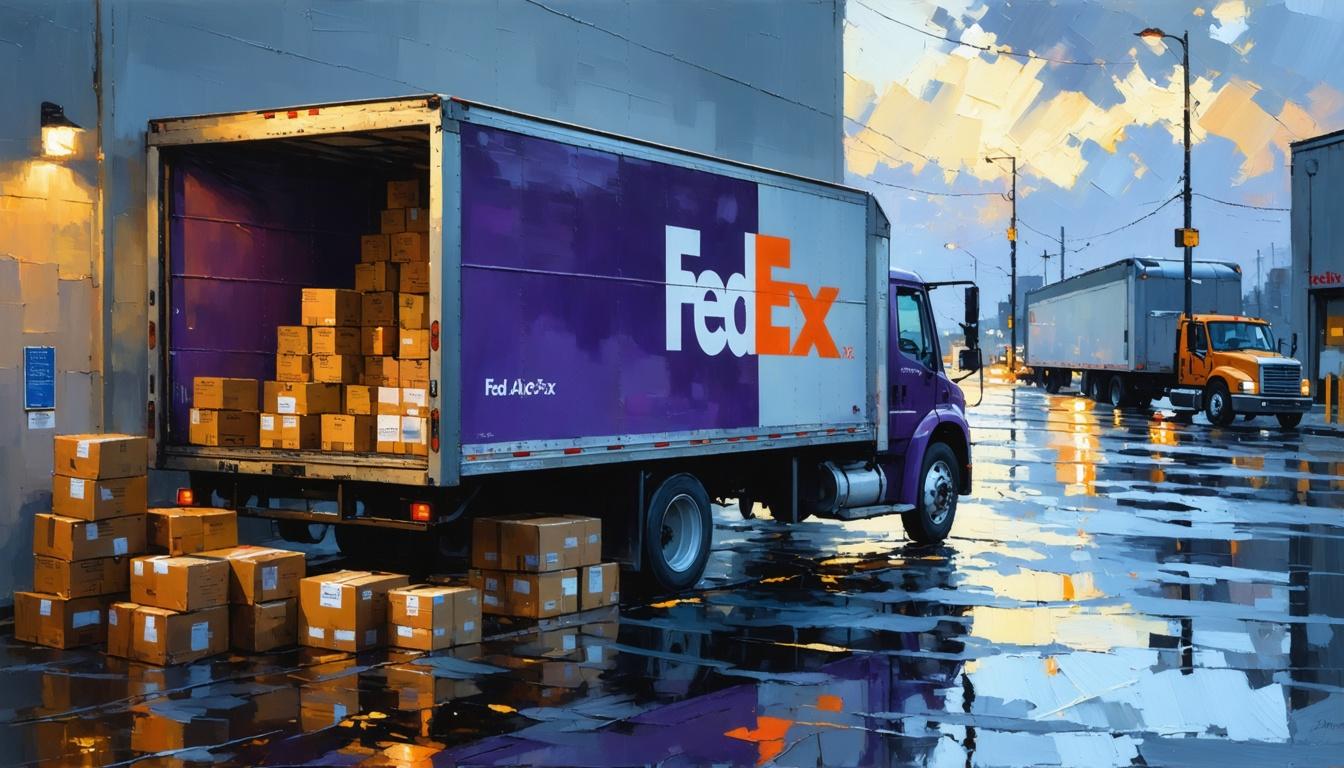
*this image is generated using AI for illustrative purposes only.
FedEx will implement a €3 customs duty on low-value shipments entering the European Union starting July 1. This policy change results from the expiration of the €150 de minimis exemption, which previously allowed goods under this value to enter the EU duty-free. The new charge will apply to all relevant shipments handled by the company.
The €150 de minimis exemption threshold has been eliminated, meaning all goods entering the EU are now subject to customs duties regardless of their value. Consequently, FedEx will apply the €3 fee to cover the administrative costs associated with processing these low-value imports. This adjustment ensures compliance with the updated EU customs regulations.
Impact on Shipments
The introduction of the €3 duty will affect a broad range of low-value e-commerce and personal shipments. Customers utilizing FedEx services for importing goods into the EU should anticipate this additional cost. The company aims to streamline the customs process while adhering to the new regulatory framework.
| Detail | Information |
|---|---|
| Effective Date | July 1 |
| Customs Duty Amount | €3 |
| Previous Threshold | €150 |
| Region | European Union |
FedEx has communicated this update to align with the EU's customs reform. The removal of the de minimis exemption is part of a broader effort to regulate e-commerce imports and ensure fair competition within the EU market. The logistics provider advises shippers to review the new requirements to avoid delays or unexpected charges.

How will competitors like UPS and DHL respond to FedEx's €3 fee?
Will this fee impact consumer demand for low-value e-commerce imports?
Could other regions adopt similar customs duty policies?
 20
20





 Access 50+ Readymade Screeners
  Use 200+ Custom Filters
  Get Full Market Insights





