

US senators introduce bill to ban Chinese AI optical transceivers


- Legislation bans Eoptolink and Zhongji Innolight optical transceivers from US government systems
- Lawmakers cite national security risks and potential exploitation by Beijing
- Industry groups warn of supply disruptions as US suppliers lack replacement scale
- Bill grants five-year compliance period for federal agencies

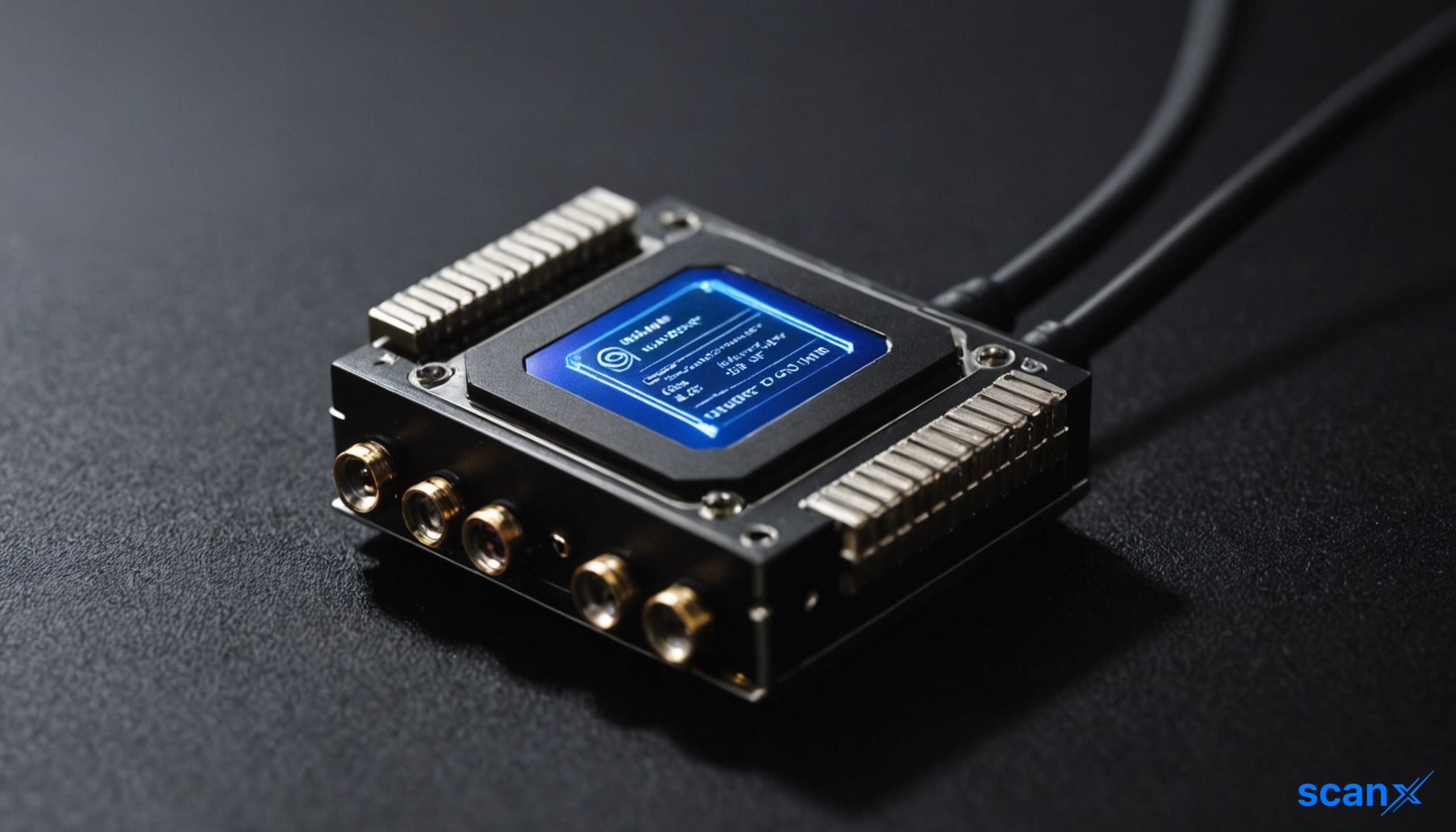

*this image is generated using AI for illustrative purposes only.
Bipartisan lawmakers introduced legislation on Friday to prohibit the federal government from using optical transceivers manufactured by Chinese companies Eoptolink and Zhongji Innolight in sensitive systems. The move aims to mitigate national security risks associated with critical networking components essential for AI data centers.
Security concerns drive legislative push
Optical transceivers convert electrical signals into light for fiber-optic transmission, a function increasingly vital to AI infrastructure where computing demand requires millions of such devices. Senator Dave McCormick stated that the United States should not rely on China for technologies essential to national security. Senator John Cornyn emphasized that critical government communication and information systems must remain safe, reliable, and free of foreign interference.
Supporters argue that Chinese-made transceivers could potentially be exploited by Beijing to interfere with access to US AI tools and cloud infrastructure. Zhongji Innolight has previously been included on a Pentagon list of companies alleged to have ties to China’s military. The proposed restrictions would initially apply to the two named manufacturers, while granting the Commerce and Defense secretaries authority to add other companies to the restricted list.
Industry warns of supply chain disruption
The technology industry has raised concerns that restricting Chinese suppliers could disrupt US data center expansion and hinder American companies' ability to keep pace with China in AI development. The Information Technology Industry Council urged the Federal Communications Commission in an August 13 letter not to add optical transceivers to a trade blacklist, warning of potential supply disruptions affecting data center deployment.
US companies Coherent Corp. (NYSE: COHR) and Lumentum Holdings Inc. (NASDAQ: LITE) offer competing products but currently lack the scale to fully replace Chinese suppliers, according to a Foundation for American Innovation report. If enacted, the bill provides the government five years to comply with the restrictions.
Diplomatic efforts continue alongside restrictions
Treasury Secretary Scott Bessent stated on Sunday that the US is seeking a shared vision of common goals and threats with China regarding AI. Washington has proposed a framework for both countries to notify each other of AI incidents that could pose national security risks. This diplomatic effort occurs amid China’s broader efforts to expand and strengthen its domestic AI infrastructure.

How might the five-year compliance timeline impact the pace of US AI infrastructure expansion relative to China?
What specific investment incentives or policy measures could accelerate domestic production capacity for Coherent and Lumentum to meet projected demand?
Could the Commerce and Defense secretaries' authority to expand the restricted list trigger retaliatory trade measures from Beijing against other US tech sectors?
 19
19







 Access 50+ Readymade Screeners
  Use 200+ Custom Filters
  Get Full Market Insights





