

US sanctions 17 Iranian oil vessels as global stocks hit thin levels


- US Treasury sanctioned 17 vessels linked to Iranian oil exports to Asia
- Global oil stockpiles fell from about 10 billion to less than 6 billion barrels
- Gulf crude flows returned to 18.5 million barrels per day, matching pre-conflict levels
- Brent crude futures traded 1.34% lower at $102.86 per barrel

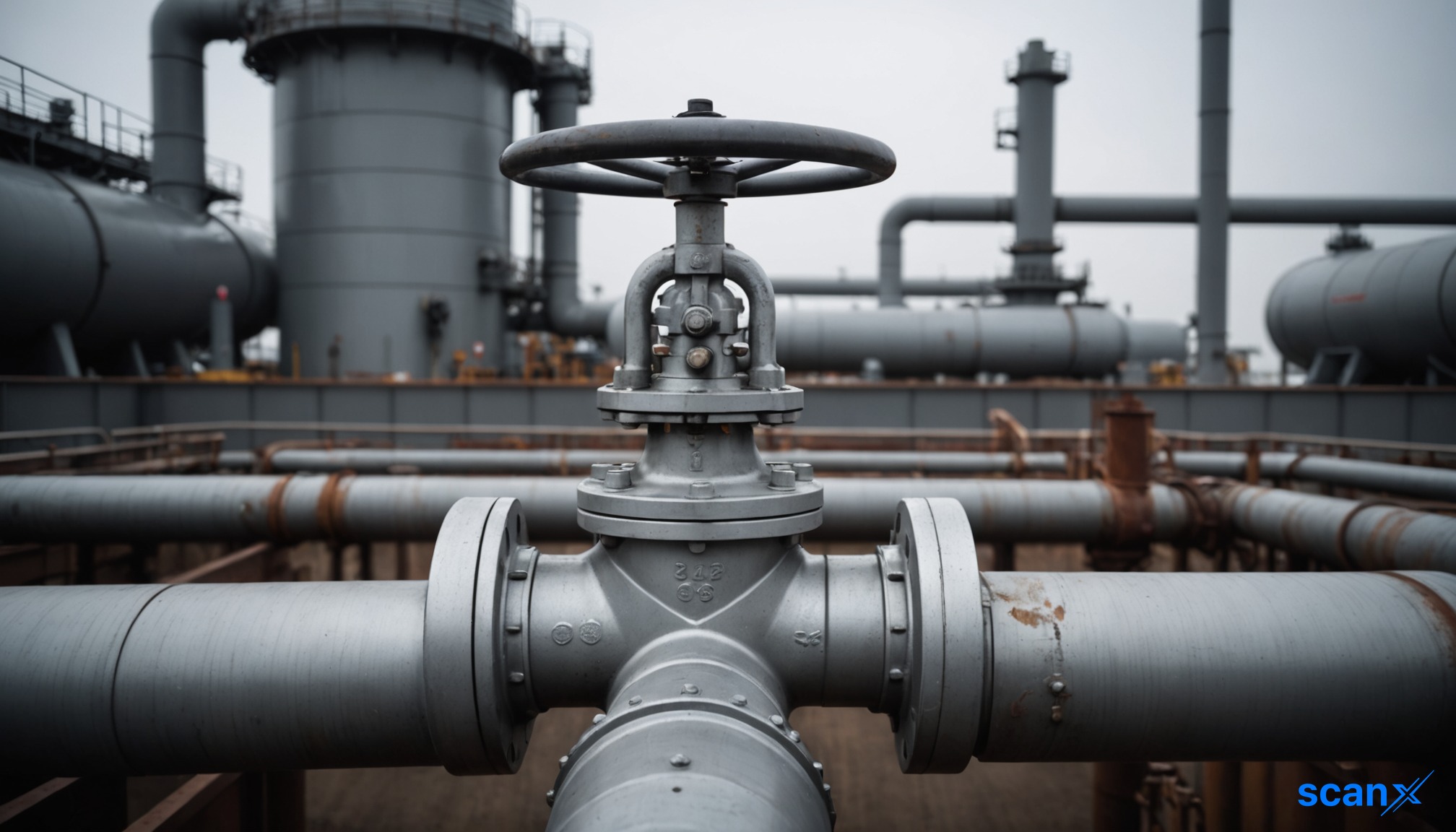

*this image is generated using AI for illustrative purposes only.
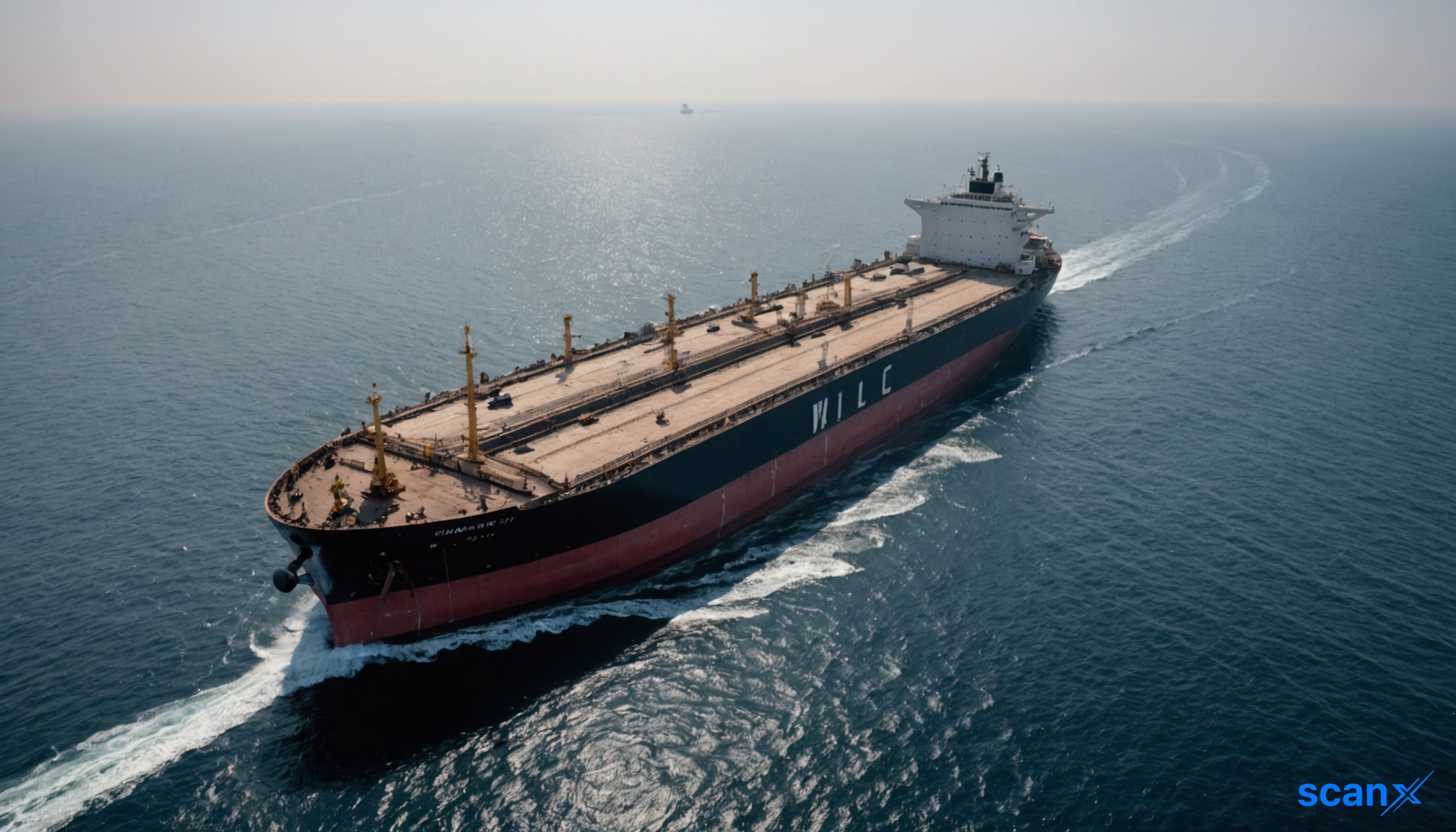
The US Treasury sanctioned 17 vessels and their owning companies for transporting Iranian oil and petrochemicals to Asia. Treasury Secretary Scott Bessent stated that no enabler of sanctions evasion is safe from full enforcement authorities.
The action falls under Operation Economic Outcast, targeting Iran’s remaining shadow fleet. Treasury described the move as neutralizing the vast majority of Tehran’s shipping capacity. One vessel, the Tina 5, moved more than 1.5 million barrels of crude in August alone.
Market context and supply dynamics
Global oil inventories have declined significantly since the start of the US-Iran conflict. Saudi Aramco CEO Amin Nasser reported that stockpiles fell from about 10 billion barrels to less than 6 billion. Despite this depletion, crude flows out of the Gulf have returned to approximately 18.5 million barrels per day, matching pre-conflict levels according to data from Kpler.
If the current blockade persists, Kpler estimates Iran’s oil revenue will fall to zero by the end of this year. Recent market prices reflect ongoing volatility amid these geopolitical constraints.
| Metric | Value | Source/Context |
|---|---|---|
| Vessels Sanctioned | 17 | US Treasury OFAC |
| Tina 5 Crude Volume | >1.5 million barrels | August movement |
| Global Stockpiles | <6 billion barrels | Down from ~10 billion |
| Gulf Oil Flows | 18.5 million bpd | Pre-conflict level |
| Brent Dec Futures | $102.86 | Trading 1.34% lower |
| WTI Nov Futures | $90.42 | Trading 1.19% lower |
What the numbers show
A divergence exists between physical supply availability and inventory buffers. While Gulf exports have recovered to pre-conflict levels of 18.5 million barrels per day, total global stockpiles have contracted by roughly 40% to under 6 billion barrels. This suggests that while immediate supply is flowing, the safety net for market shocks has eroded significantly. The simultaneous drop in Brent and WTI futures, despite thin inventories, indicates that traders may be pricing in the effectiveness of the US blockade in curbing Iranian revenue rather than anticipating an immediate supply shortage.

How might Asian refineries, particularly in China and India, adjust their procurement strategies to source non-sanctioned crude if Iran's export capacity is fully neutralized?
Given the 40% depletion in global stockpiles, what specific threshold of inventory levels would trigger a significant risk premium or price spike in Brent crude?
Will Saudi Arabia and other OPEC+ producers increase output to compensate for the loss of Iranian barrels, or will they maintain current production quotas to support prices?
 18
18






 Create Custom Screeners
  Access 200+ Pre-built Filters
  Use 50+ Readymade Screener





