

US Relaxes Export Restrictions on Nvidia H200 AI Chips to China


The US has officially eased export restrictions on Nvidia's H200 AI chips to China, as documented in the Federal Register. This regulatory change represents a significant shift in semiconductor trade policy, potentially affecting Nvidia's market access and broader technology trade relations between the US and China.
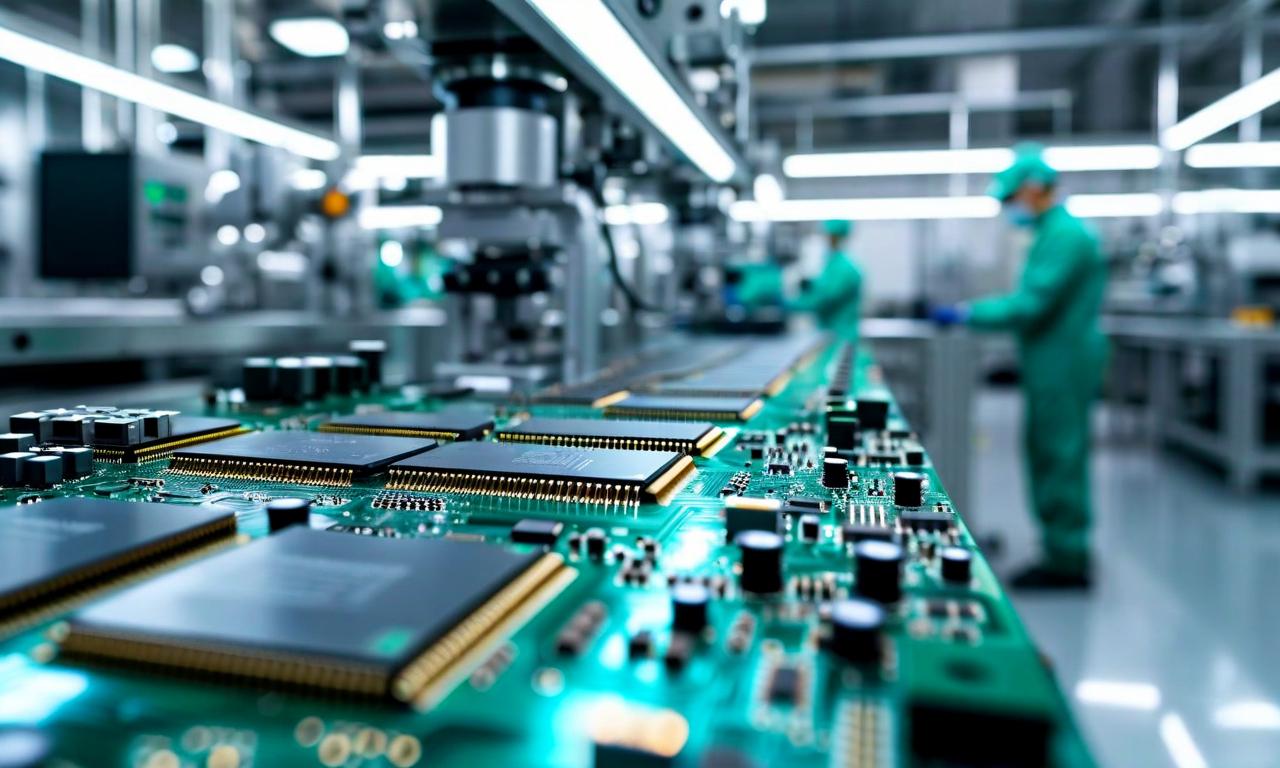

*this image is generated using AI for illustrative purposes only.
The United States has modified its export regulations to ease restrictions on Nvidia's H200 artificial intelligence chips to China, according to documentation in the Federal Register. This regulatory adjustment marks a significant development in semiconductor trade policy between the two nations.
Regulatory Changes
The Federal Register has officially documented the relaxation of export rules specifically targeting Nvidia's H200 processors. These chips represent advanced artificial intelligence computing technology that has been subject to previous export restrictions as part of broader semiconductor trade controls.
Impact on Nvidia
The eased regulations directly affect Nvidia's ability to export its H200 AI chips to Chinese markets. These processors are part of Nvidia's high-performance computing portfolio designed for artificial intelligence applications and data center operations.
Policy Implications
The modification of export restrictions represents a shift in US semiconductor trade policy. The Federal Register documentation provides official confirmation of these regulatory changes, which could influence broader technology trade relationships and market access for advanced semiconductor products.
This development comes amid ongoing discussions about technology transfer and semiconductor supply chains between major global markets. The specific targeting of H200 chips in the regulatory adjustment highlights the strategic importance of AI computing technology in international trade policy.
 15
15







 Access 50+ Readymade Screeners
  Use 200+ Custom Filters
  Get Full Market Insights





