

US forces strike three Iranian crude oil carriers after missile attack


- U.S. Central Command struck three Iranian crude oil carriers on September 5
- The IRGC launched ballistic missiles toward two U.S. Navy warships patrolling regional waters
- A U.S. aircraft carrier and a guided-missile destroyer successfully evaded multiple attacks
- U.S. Central Command described the Iranian attacks as "unprovoked"
- No American personnel were harmed in the incident

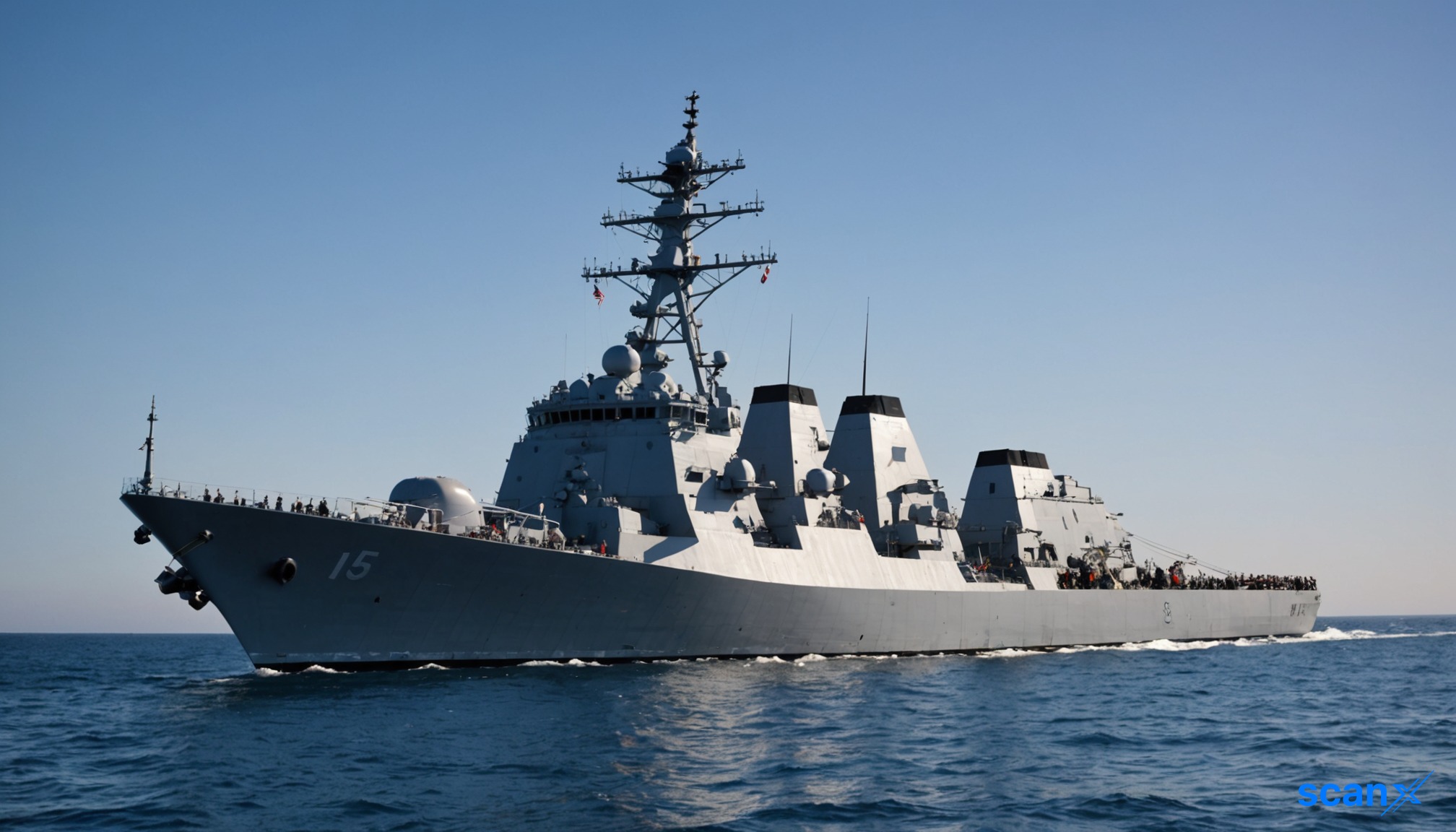

*this image is generated using AI for illustrative purposes only.
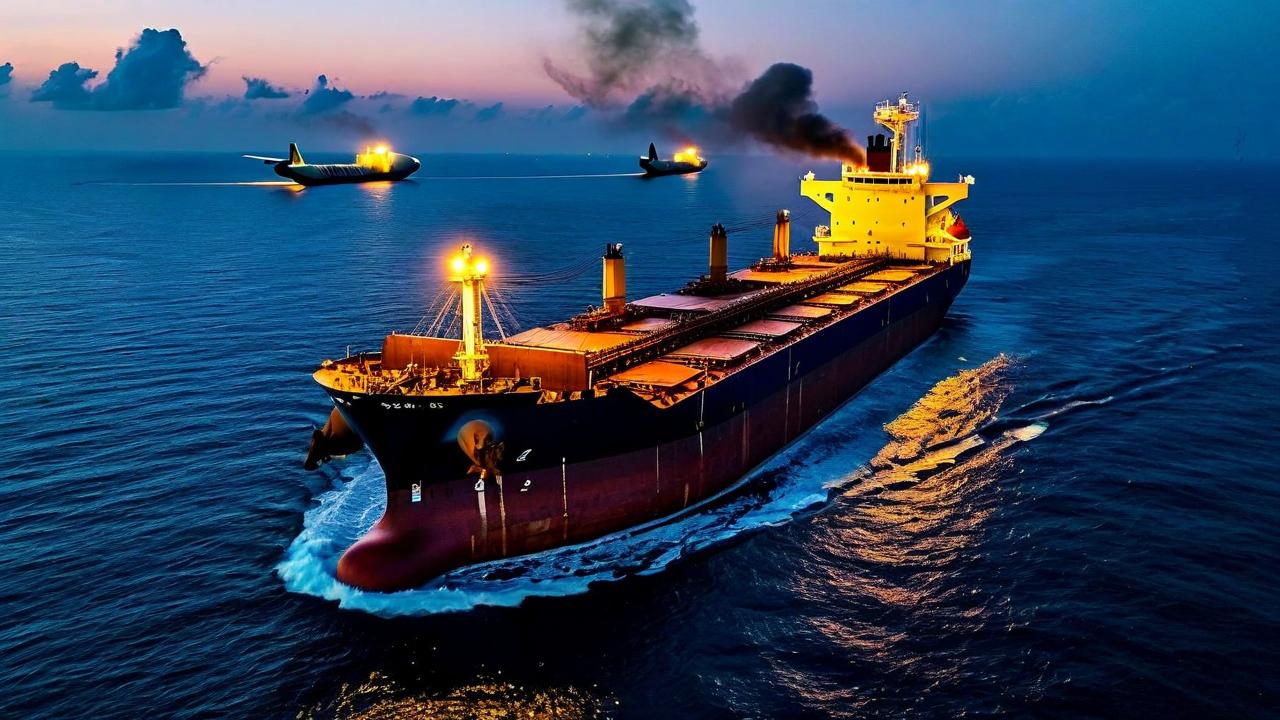
U.S. Central Command struck three Iranian crude oil carriers on September 5 after the Islamic Revolutionary Guard Corps launched ballistic missiles toward two U.S. Navy warships patrolling regional waters.
Attack and response
The IRGC directed ballistic missiles at a U.S. aircraft carrier and a guided-missile destroyer, both of which successfully evaded the incoming fire. U.S. Central Command described the Iranian attacks as "unprovoked." No American personnel were harmed in the incident.
Key details of the incident
The following table summarises the key facts as reported by U.S. Central Command.
| Parameter | Details |
|---|---|
| Date | September 5 |
| U.S. action | Struck three Iranian crude oil carriers |
| Iranian action | Ballistic missiles launched toward two U.S. Navy warships |
| U.S. vessels targeted | Aircraft carrier and guided-missile destroyer |
| Outcome for U.S. vessels | Successfully evaded multiple attacks |
| U.S. personnel casualties | None |
| U.S. characterisation | Unprovoked attacks |
U.S. Central Command confirmed that its forces carried out the strikes on the Iranian crude oil carriers in direct response to the ballistic missile launches by the IRGC against the two Navy warships on patrol in regional waters.

How will the destruction of three Iranian crude oil carriers impact global oil supply chains and benchmark prices in the short term?
What is the likelihood of Iran retaliating against U.S. military assets or allied infrastructure in the region following these strikes?
Will this escalation prompt immediate sanctions or export restrictions from other major oil-producing nations to stabilize the market?
 19
19





 Create Custom Screeners
  Access 200+ Pre-built Filters
  Use 50+ Readymade Screener





