

Schiff questions Trump Greenland deal permanence; Burry cites missile value


- Peter Schiff argues Trump's Greenland deal is not permanent but tied to NATO's existence
- Michael Burry highlights the island's value for intercepting Russian and Chinese ICBMs
- Agreement grants US permanent security control without transferring sovereignty
- Denmark and Greenland confirm sovereignty and right to self-determination are preserved
- Deal blocks adversaries from establishing military bases or sensitive investments

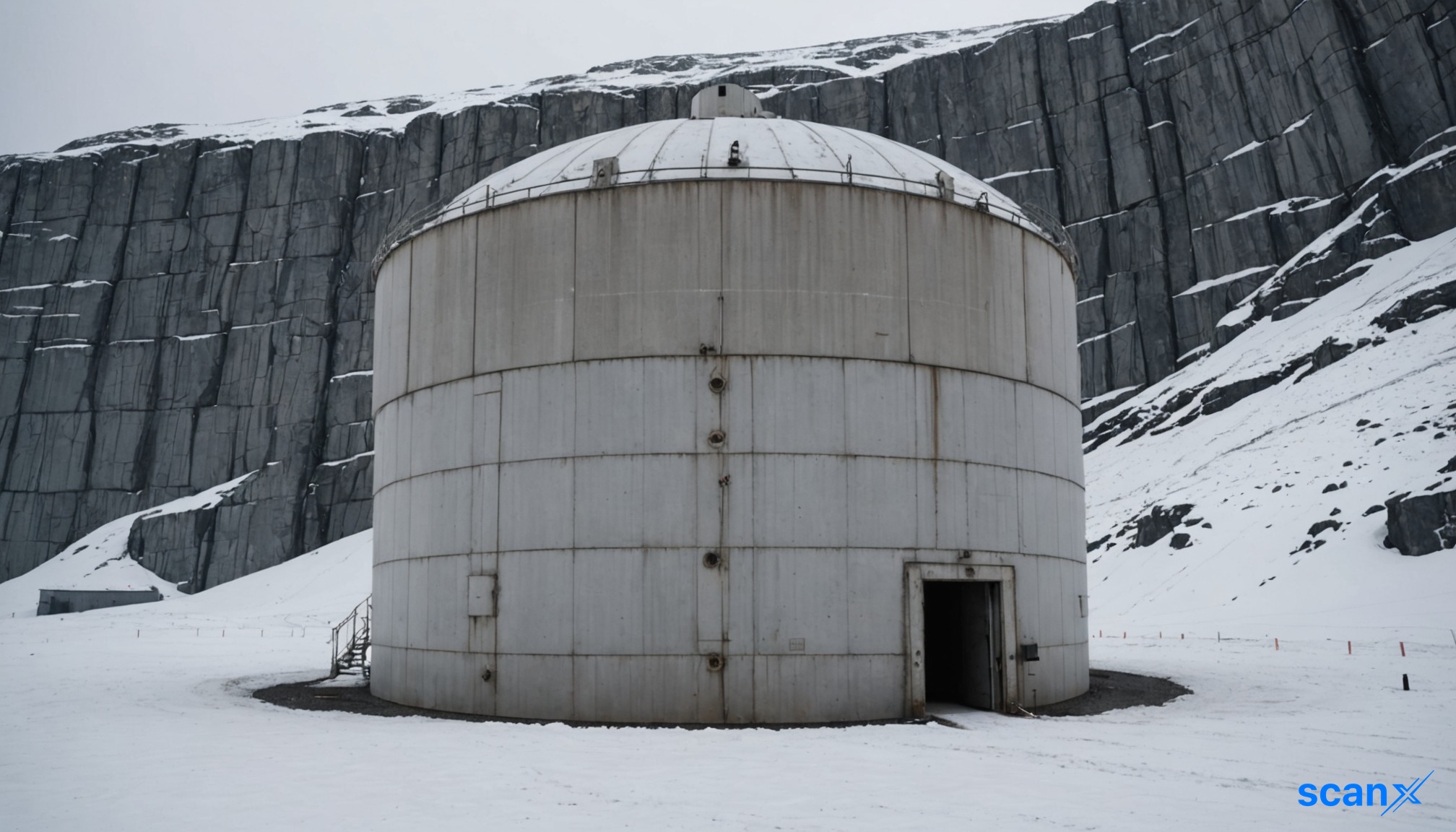

*this image is generated using AI for illustrative purposes only.
President Donald Trump’s new Greenland security agreement has drawn sharp reactions from investors Peter Schiff and Michael Burry.
Schiff argued on X that Trump had effectively abandoned his earlier push to acquire or annex the territory, settling for enhancements to the existing security structure after a "costly public pressure" campaign. He contended that the public threats to invade caused more reputational harm than the concessions gained.
Questions on Permanence
Schiff challenged the characterization of "permanent control" asserted by Trump and US Secretary of State Marco Rubio. He wrote that the control is conditional: "That control only lasts so long as the NATO alliance remains in place. When NATO ends, so does the new deal."
Responding to users who argued the agreement provides a permanent strategic lockout of Russia and China, Schiff pushed back, stating the deal is not permanent in isolation but tied to the broader alliance framework.
Missile Defense Value
Michael Burry highlighted the military significance of the island, resurfacing a January analysis. He pointed to two potential advantages for the US:
- Positioning missile defenses to intercept incoming Russian or Chinese ICBMs.
- Deploying offensive missile capabilities closer to those countries.
Burry noted that Greenland lies near the trajectories of missiles traveling between Russia and North America and near the region where ballistic missiles reach their highest altitude, or apogee.
Deal Terms Preserved
The agreement grants Washington permanent security control over the Arctic territory while expanding its military presence and barring rivals from accessing critical minerals. It does not transfer sovereignty to the US.
Denmark and Greenland confirmed the pact recognizes Danish sovereignty and Greenlanders’ right to self-determination. The territory remains part of the Kingdom of Denmark. Danish Prime Minister Mette Frederiksen said the agreement strengthens security in the Arctic and North Atlantic.
Key Projects
| Project | Owner | Details |
|---|---|---|
| Kvanefjeld | Energy Transition Minerals | 1 billion tonnes of ore grading 1.1% total rare earth oxides |
| Sarfartoq | Greenland Mines (NASDAQ: GRML) | $2.05 billion project; produces NdPr oxide for EVs and wind turbines |
| Tanbreez | Critical Metals Corp. (NASDAQ: CRML) | Heavy rare earth project; 15-year offtake with REalloys (NASDAQ: ALOY) |
Greenland Mines closed its purchase of the Sarfartoq Nd-Pr Rare Earths Project on September 1. The $2.05 billion project could produce about one-third of the amount refined globally outside of China. Critical Metals Corp. announced a breakthrough at its Tanbreez heavy rare earth project, processing over 99% of eudialyte concentrate into ultra-high-purity products.
Next Steps
The agreement is expected to be formally signed during the UN General Assembly next week. It requires parliamentary procedures in Denmark and Greenland. The US already maintains a presence at Pituffik Space Base under a longstanding defense arrangement.
- Peter Schiff argues deal lasts only while NATO exists
- Michael Burry highlights Greenland's missile defense role
- Sovereignty remains with Denmark and Greenland
- Adversaries barred from critical mineral investments

How might the exclusion of Russian and Chinese investors from Greenland's critical mineral projects accelerate supply chain diversification for US-based EV and renewable energy manufacturers?
What are the potential geopolitical repercussions if NATO dissolves or significantly weakens, thereby voiding the security guarantees embedded in the new Greenland agreement?
Could the expanded US military presence and missile defense infrastructure in Greenland trigger an arms race or retaliatory positioning by Russia and China in the Arctic region?
 18
18






 Access 50+ Readymade Screeners
  Use 200+ Custom Filters
  Get Full Market Insights





