

U.S. Natural Gas Futures Drop 10% to 12-Week Low Amid Reduced Texas LNG Flows


U.S. natural gas futures declined 10% to their lowest point in 12 weeks due to decreased gas flows to LNG export facilities in Texas. The price drop reflects reduced demand from these critical export terminals, which play a significant role in domestic natural gas consumption. The development demonstrates the sensitivity of natural gas markets to changes in LNG export infrastructure operations.

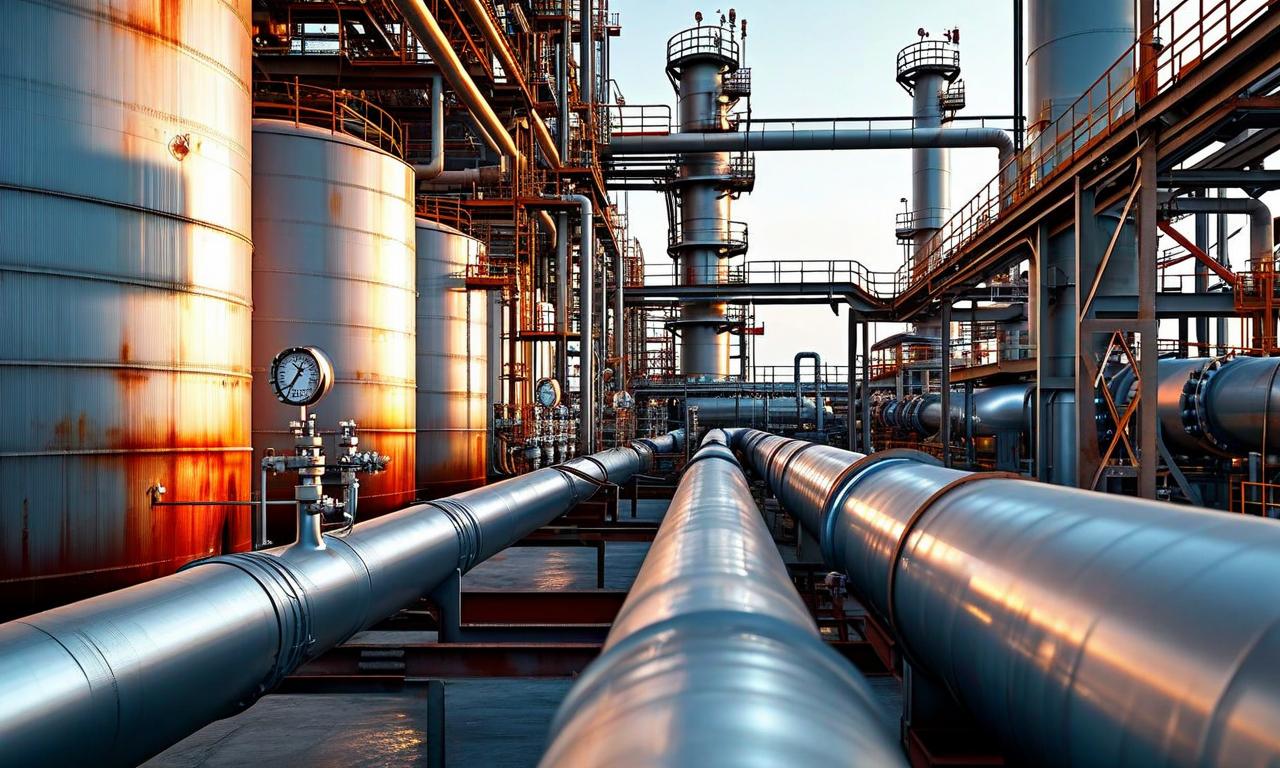

*this image is generated using AI for illustrative purposes only.
U.S. natural gas futures have experienced a significant decline, dropping 10% to reach their lowest level in 12 weeks. The sharp price movement reflects ongoing market pressures stemming from reduced demand at key export facilities.
Price Performance and Market Impact
The natural gas futures market has been under sustained pressure, with prices falling to levels not seen in nearly three months. The 10% decline represents a substantial move in the commodity market, highlighting the sensitivity of natural gas prices to supply and demand dynamics.
| Market Metric | Current Status |
|---|---|
| Price Decline | 10% |
| Time Period | 12-week low |
| Primary Factor | Reduced LNG facility flows |
Texas LNG Export Facility Impact
The primary driver behind the price decline has been identified as decreased gas flows to LNG export facilities in Texas. These facilities play a crucial role in the natural gas market by converting domestic natural gas into liquefied form for international export. When flows to these facilities decrease, it reduces overall demand for natural gas, creating downward pressure on prices.
Texas hosts several major LNG export terminals that serve as critical infrastructure for U.S. natural gas exports. The reduction in gas flows to these facilities indicates either operational issues or changes in export demand patterns.
Market Dynamics
The natural gas market's response to the reduced LNG facility flows demonstrates the interconnected nature of domestic production, export infrastructure, and pricing mechanisms. LNG export facilities typically represent significant demand sources for domestic natural gas production, and any disruption in their operations can have immediate price implications.
The continued decline in futures prices suggests that market participants expect the reduced flows to persist or that additional supply-demand imbalances may be developing. Natural gas futures serve as important price discovery mechanisms for the broader energy market.
 18
18






 Access 50+ Readymade Screeners
  Use 200+ Custom Filters
  Get Full Market Insights





