

Trump warns Xi against aiding Iran; Tehran disputes Chinese assurances


- Trump labeled Chinese support for Iran as "totally unacceptable" during talks with Xi Jinping
- US Ambassador David Perdue reported Beijing gave assurances it would halt assistance to Tehran
- An Iranian official claimed China promised to maintain economic and military ties despite US pressure
- Reports allege China supplied shoulder-fired air-defense systems and aided oil sanction evasion

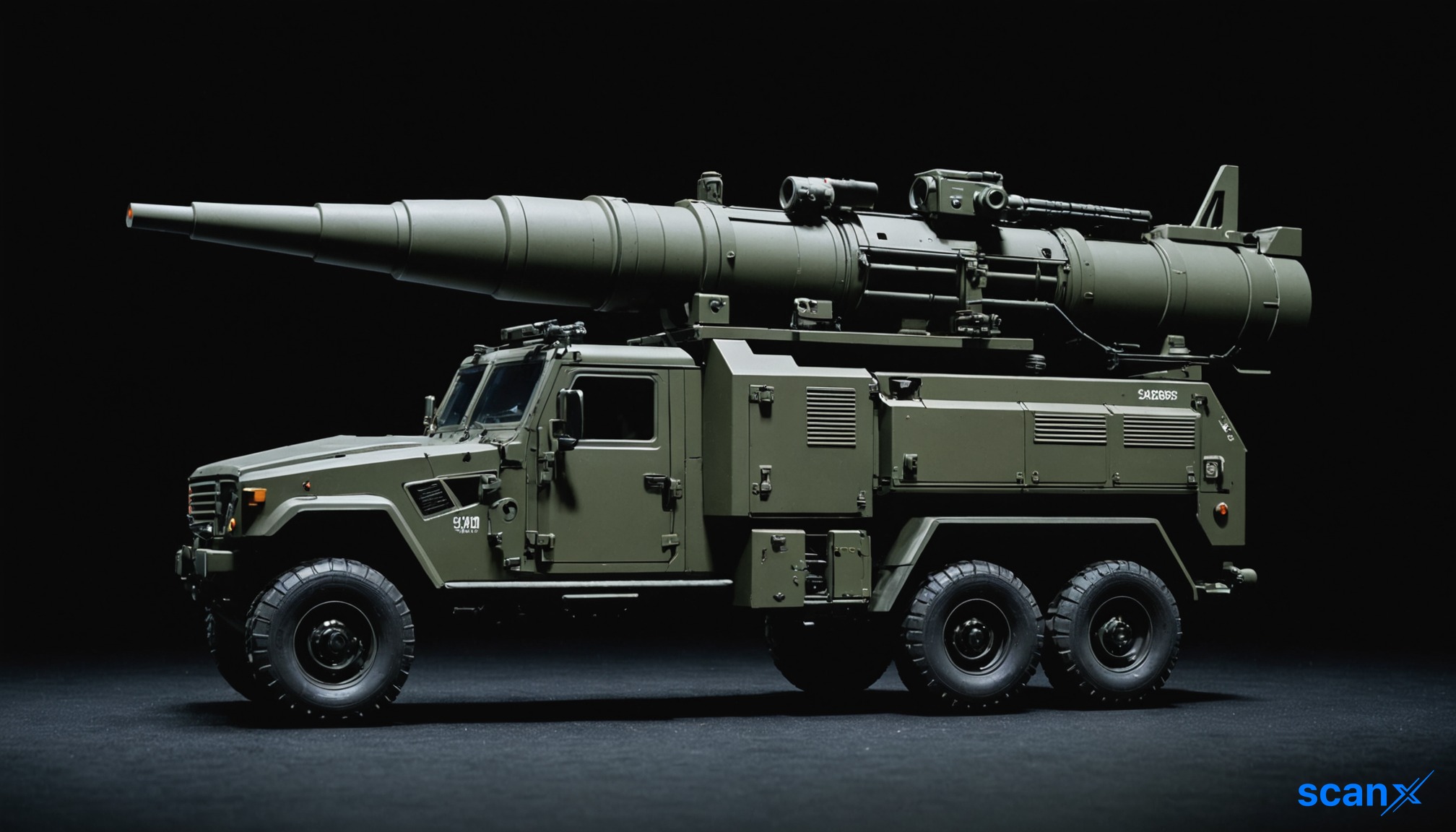

*this image is generated using AI for illustrative purposes only.
US President Donald Trump pressed Chinese President Xi Jinping during talks in Washington to halt direct or indirect assistance to Iran. Trump described Chinese support for Tehran as "totally unacceptable," according to US Ambassador to China David Perdue.
Perdue stated that Washington received assurances from Beijing on Thursday that China would not continue assisting Tehran. The ambassador noted that the US had already observed some movement on the issue following these discussions.
Conflicting narratives emerge
The diplomatic pressure coincides with reports that China supplied Iran with shoulder-fired air-defense systems and helped Tehran circumvent US sanctions on oil exports. However, an Iranian senior official contradicted the US account, telling Reuters that Chinese officials assured Tehran that Beijing would not restrict its economic, political, or military relationship with Iran due to pressure from Trump.
Allegations of military and economic aid
Washington is examining specific allegations regarding Chinese entities' role in supporting Iran. Key points of contention include:
- Military hardware: Reports indicate Iran was expected to receive Chinese-made shoulder-fired air-defense missile launchers.
- Sanctions evasion: Tehran reportedly used barter-like arrangements to continue selling oil and purchasing Chinese goods despite sanctions.
- Intelligence sharing: Trump previously played down reports that Chinese entities provided satellite imagery to Iran before an attack in Jordan that killed three US troops.
Legislative pressure
US lawmakers had urged Trump to confront Xi over allegations that Chinese entities provided assistance to Iran that may have contributed to attacks resulting in US casualties. The administration's stance reflects a broader strategy to isolate Iran economically and diplomatically, with officials suggesting that curbing Chinese support is central to this approach.

How might the conflicting assurances from Beijing to Washington and Tehran impact the credibility of future US-China diplomatic negotiations?
What specific secondary sanctions or trade restrictions could the US impose on Chinese entities if evidence of continued Iranian support emerges?
Will the alleged provision of shoulder-fired air-defense systems trigger new arms control measures or military posturing in the Middle East?
 16
16




 Access Market Heat-map & Insights
  Create, Save & Share your Screener
  Use 200+ Screening Filters





