

Trump To Meet Oil Bosses In Bid For Venezuela Output Revival


President Trump is organizing high-level meetings with energy executives to enlist Western companies in rebuilding Venezuela's oil sector after Maduro's removal. The proposed Thursday-Friday White House meeting includes key cabinet members and aims to secure investment in Venezuela's vast reserves. While Trump targets an 18-month timeline with US reimbursement for company investments, industry experts estimate decade-long reconstruction costing $53-100+ billion. Oil companies express concerns about political stability and asset security, given previous nationalizations and current infrastructure decay.

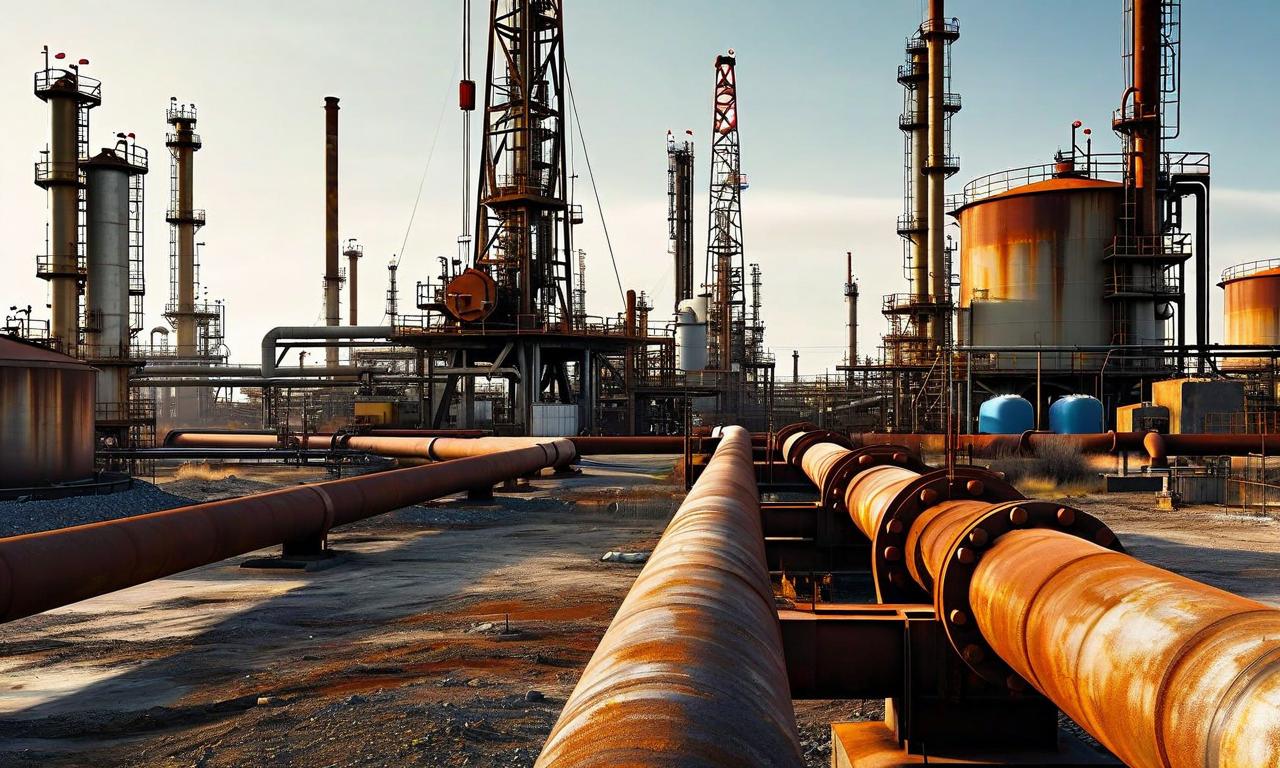

*this image is generated using AI for illustrative purposes only.
President Donald Trump is set to meet with energy executives at the White House within the next week as he seeks to enlist Western companies in rebuilding Venezuela's oil industry. The high-level discussions come just days after the US military operation that led to the capture of leader Nicolás Maduro, as the administration pursues an ambitious plan to revitalize the country's vast oil reserves.
White House Meeting Details and Key Participants
The parties have discussed a possible meeting Thursday or Friday that would include Trump, Energy Secretary Chris Wright and Interior Secretary Doug Burgum, according to sources familiar with the matter. The timing remains fluid, with Secretary of State Marco Rubio also potentially attending the sit-down that's being planned.
| Meeting Details: | Information |
|---|---|
| Proposed Dates: | Thursday or Friday |
| Key Attendees: | Trump, Wright, Burgum |
| Potential Participant: | Secretary Marco Rubio |
| Status: | Timing remains fluid |
Wright is separately expected to meet with executives from major oil companies during the Goldman Sachs Energy, Clean Tech & Utilities Conference on Wednesday in Miami. Summit attendees are set to include representatives from Chevron Corp., ConocoPhillips and other companies. Additionally, representatives from Spain's Repsol SA, which has operations in Venezuela but lost its US license to export oil from the country last year, are also slated to meet with Trump administration officials this week.
Strategic Goals and Financial Framework
The conversations reflect Trump's eagerness to secure Venezuela's mammoth oil reserves as a potential source of revenue and an opportunity to expand US energy dominance. Trump previously suggested the project could be "up and running" in less than 18 months, proposing that oil companies spend the money while the US provides reimbursement through revenue or direct funding.
| Trump's Framework: | Details |
|---|---|
| Timeline Goal: | Less than 18 months |
| Funding Method: | Companies invest, US reimburses |
| Strategic Objective: | Energy dominance, lower oil prices |
| Revenue Potential: | Venezuela's mammoth oil reserves |
"Having a Venezuela that's an oil producer is good for the United States because it keeps the price of oil down," Trump previously stated, emphasizing the broader economic benefits of expanded Venezuelan energy production.
Industry Challenges and Investment Reality
Venezuela currently produces about 1.00 million barrels per day of oil — far from its heyday. Just sustaining current production would require $53.00 billion of investment over the next 15 years, according to Rystad Energy analysts. Energy experts estimate that full rebuilding could be a decade-long process costing upwards of $100.00 billion.
| Investment Requirements: | Volume |
|---|---|
| Current Production: | 1.00 million barrels/day |
| Sustaining Investment: | $53.00 billion over 15 years |
| Full Rebuild Estimate: | $100.00+ billion |
| Expert Timeline: | Decade-long process |
Firms that sign up for Trump's rebuild would need to help revitalize pipelines, pump stations and processing facilities that make up Venezuela's aging, decrepit oil infrastructure. Years of corruption, underinvestment, fires and thefts have left the country's crude facilities in tatters.
Industry Concerns and Political Risks
Some oil companies are wary of pouring tens of billions of dollars into the country over the next decade. Executives are looking for guarantees of physical and financial security amid festering concerns about the stability of a post-Maduro government. Exxon Mobil Corp. and ConocoPhillips previously operated inside Venezuela, but left after their assets were nationalized by Maduro's predecessor, Hugo Chávez, in the mid-2000s.
| Company Positions: | Status |
|---|---|
| Chevron Corp.: | Currently operates under US license |
| Exxon Mobil: | Left after asset nationalization |
| ConocoPhillips: | Left after asset nationalization |
| Industry Concerns: | Political stability, asset security |
Some oil company representatives have expressed concern about industry-wide meetings limiting their ability to speak candidly without running afoul of US antitrust law. In the current environment, a gathering also could be seen as an endorsement of Trump's plans to use Western oil companies to rebuild the Venezuelan oil sector. Industry representatives have indicated they would need additional assurances about political stability within Venezuela and the safety of their personnel and assets, with potential incentives under discussion.
 16
16





 Access Market Heat-map & Insights
  Create, Save & Share your Screener
  Use 200+ Screening Filters





